

Gotu Kola Benefits & Uses (Centella asiatica)

Gotu kola is a low-growing perennial herb with rounded, fan-shaped leaves and a creeping growth habit. Native to Asia and parts of Africa, it has long been used in traditional herbal systems and is often associated with fresh juices, teas, and leafy botanical preparations.

Because it grows close to the ground and spreads through moist areas, gotu kola has been a familiar plant in many traditional settings. It continues to be widely referenced in herbal literature and remains one of the most recognizable herbs of Asian botanical practice.

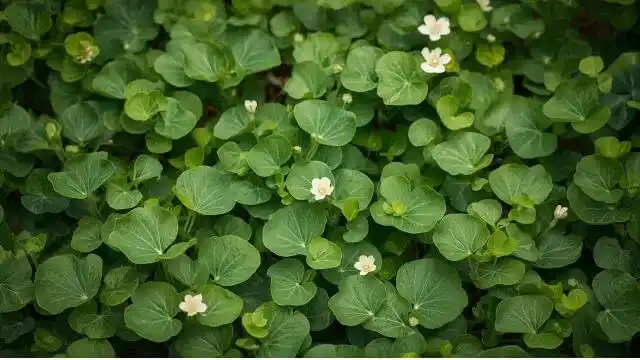
Gotu Kola Benefits and Traditional Uses

Gotu kola has traditionally been used to support:

  • Fresh herbal preparations
  • Traditional teas and tonics
  • Leaf-based botanical blends
  • Classic Asian herbal practice
  • Household herbal infusions

Gotu kola has a long history in Asian traditional herbal systems where the leaves were used fresh or dried in a range of household and botanical preparations. Its distinct rounded leaves and creeping habit make it one of the most recognizable herbs in traditional herbal literature.

Gotu kola has long been valued in traditional Asian herbal practice as a familiar leaf-based botanical herb.

– Traditional herbal reference

Gotu Kola Preparation Methods

Gotu kola can be prepared in several traditional ways:


Herbal Tea

Dried gotu kola leaves may be steeped in hot water to prepare a traditional herbal infusion.

Part of the plant used: Leaves

Fresh Juice

Fresh gotu kola leaves are sometimes blended or pressed into traditional green preparations.

Part of the plant used: Leaves

Tincture

The leaves may be extracted in alcohol for use in concentrated herbal preparations.

Part of the plant used: Leaves

Powder

Dried leaves may be ground and included in botanical powders or blended preparations.

Part of the plant used: Leaves


Growing Gotu Kola

Gotu kola is a moisture-loving perennial herb that spreads low across the ground and can form a lush green mat in favorable conditions. It is often grown in warm climates, containers, or sheltered garden areas where soil stays evenly moist.

  • Prefers partial shade to filtered sun
  • Grows best in moist, rich soil
  • Benefits from regular watering and humid conditions
  • Suitable for USDA hardiness zones 7-11 in the United States
  • Often grown in warm regions or as a container plant in cooler climates

Gotu kola spreads by runners and can be harvested regularly once established, especially where warmth and steady moisture are available.


Safety Considerations

Gotu Kola has a long history of traditional use, however care should always be taken when using herbal plants.

However:

  • Gotu kola may cause digestive discomfort, headache, or drowsiness in some individuals, especially with concentrated use.
  • Very high doses or prolonged use may place additional stress on the liver in some individuals.
  • Topical preparations may occasionally irritate sensitive skin, so patch testing can be helpful.
  • Because gotu kola may have calming effects, it may not combine well with sedative medications for everyone.
  • Pregnant or breastfeeding individuals should consult a qualified healthcare professional before using gotu kola internally.
  • Always consult a qualified healthcare professional before using gotu kola alongside prescription medications.

This information is provided for educational purposes only and is not medical advice.

Image Disclaimer: Images are for reference only and should not be used as the sole method of identification. Always confirm identification with a qualified source.
Frequently Asked Questions
What is gotu kola traditionally used for?

Gotu kola has a long history of traditional use for skin support, mental clarity, and general well-being. It is widely used in both herbal medicine and topical skincare traditions.

Which part of gotu kola is used?

The aerial parts of gotu kola are used, especially the leaves and tender stems. These parts are harvested fresh or dried for traditional preparations.

How is gotu kola commonly prepared?

Gotu kola is commonly prepared as tea, tincture, powder, capsules, and infused skincare products. It may be used internally or externally depending on the preparation.

Is gotu kola the same as brahmi?

Gotu kola is sometimes called brahmi in some traditions, but the name can also refer to Bacopa monnieri. They are different herbs, so it is important to check the botanical name.

Can gotu kola be used on the skin?

Yes, gotu kola is often included in creams, balms, and serums for skin support. It is especially popular in products focused on soothing and skin barrier care.

Can Gotu Kola be grown in the United States?

Gotu kola grows best in warm, humid parts of the United States, especially the Southeast and Florida, where it likes wet soil and mild weather. In some areas it may be found outside gardens, but it should only be foraged where it is legal, clean, and confidently identified.

Gotu Kola (Centella asiatica) medicinal herb traditionally used for skin health and cognitive support

Help Us Improve the Gotu Kola Page

Do you grow, photograph, study, or work with this plant?

If you have an accurate photo, growing experience, traditional use note, identification detail, correction, or useful source to share, we would love to hear from you.

Your contribution may help improve the accuracy, usefulness, and educational value of this page for other readers.


Share a photo, correction, or plant note →

Botanical Overview

  • Botanical name: Centella asiatica
  • Family: Apiaceae
  • Plant type: Creeping herb
  • Native region: Asia and parts of Africa
  • Common names: Gotu kola, Indian pennywort, Asiatic pennywort