

Elderflower Benefits & Uses (Sambucus nigra)

Elderflower (Sambucus nigra) is a traditional medicinal herb made from the flowers of the elder tree. It has been widely used in herbal medicine for respiratory support, immune health, and skin care. Elderflower is also commonly prepared as teas, infusions, and syrups. This guide explores elderflower benefits, uses, preparation methods, and safety considerations.

For centuries elderflower has held an important place in European folk herbal traditions where it was commonly infused as a tea or included in seasonal household remedies. Today it remains one of the most recognizable traditional herbs for floral infusions and continues to be valued for its gentle, aromatic qualities.

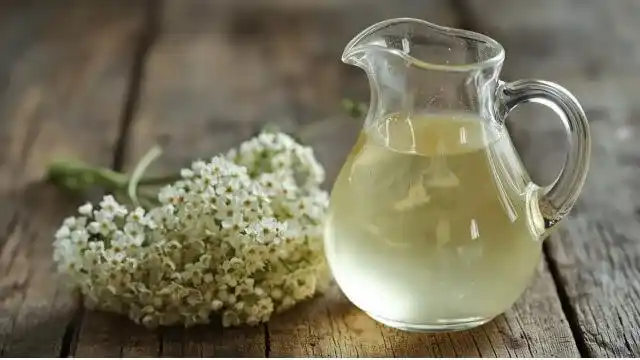
Elderflower Benefits and Traditional Uses

Elderflower has traditionally been used in herbal preparations for a range of purposes, particularly in European herbal traditions.

  • Herbal teas and infusions
  • Traditional cordials and syrups
  • Seasonal preparations for colds and flu
  • Skin washes and topical herbal uses
  • General immune and respiratory support in traditional use

Elderflower has a long history of use in European folk herbal traditions, where the blossoms were commonly gathered in early summer and dried for later use. Due to their delicate aroma and pleasant taste, the flowers became widely used in teas, cordials, and traditional herbal preparations.

Elderflower has long been cherished in European herbal traditions for its fragrant blossoms and gentle place in household preparations.

— Traditional herbal reference

Elderflower Preparation Methods

Elderflower can be prepared in several traditional ways:


Herbal Tea

Dried elderflowers are commonly steeped in hot water to prepare a light floral infusion traditionally enjoyed as a tea.

Part of the plant used: Flowers

Cordial

Fresh elderflowers may be infused into syrups or cordials to create fragrant traditional drinks.

Part of the plant used: Flowers

Tincture

Elderflowers may also be prepared as an alcohol extract for use in concentrated traditional herbal preparations.

Part of the plant used: Flowers

Infused Syrup

The blossoms are sometimes infused with water and sweeteners to create a floral syrup used in beverages and traditional household recipes. See how to make an herbal syrup for a step-by-step guide.

Part of the plant used: Flowers

Elderflower Cordial

Growing Elderflower

Elder is a deciduous shrub or small tree that grows vigorously in a range of garden settings and is valued for its broad clusters of fragrant white flowers. It is often grown in cottage gardens and naturalized areas where it has room to spread.

  • Prefers full sun to partial shade
  • Grows best in moist, well-drained soil
  • Appreciates regular watering during dry periods
  • Suitable for USDA hardiness zones 4–8 in the United States
  • Commonly grown in temperate regions of the United States

Elder plants can become large over time and benefit from occasional pruning to maintain shape and encourage healthy flowering growth.


Safety Considerations

Elderflower has a long history of traditional use, however care should always be taken when using herbal plants.

However:

  • Elderflower is generally considered a gentle traditional herb, but some individuals may experience mild digestive upset.
  • Only correctly identified elder flowers should be used, as other plant parts of elder are prepared differently and may require caution.
  • Individuals sensitive to plants in the Adoxaceae family should use caution.
  • Homemade preparations should be made carefully and hygienically, especially syrups and cordials.
  • Pregnant or breastfeeding individuals should consult a qualified healthcare professional before using concentrated elderflower products.
  • Always consult a qualified healthcare professional before using herbs for health purposes.

While elderflower is generally considered safe when properly prepared, other parts of the elder plant, such as unripe berries and leaves, may be toxic if consumed. It should always be used appropriately and in correct preparations.

This information is provided for educational purposes only and is not medical advice.

Image Disclaimer: Images are for reference only and should not be used as the sole method of identification. Always confirm identification with a qualified source.
Frequently Asked Questions
What is elderflower traditionally used for?

Elderflower is traditionally used for colds, fevers, sinus comfort, and general seasonal support. It is a classic herb in many European household remedies.

Which part of elder is used for elderflower remedies?

The flowers of the elder plant are used for elderflower preparations. These delicate flower clusters are usually harvested when freshly opened.

How is elderflower commonly prepared?

Elderflower is commonly prepared as tea, tincture, cordial, syrup, and steam inhalation. It is often blended with other herbs in seasonal formulas.

Can elderflower be used in tea?

Yes, elderflower tea is one of the most traditional ways to use the herb. It has a light floral taste and is often enjoyed warm.

Is elderflower the same as elderberry?

No, elderflower comes from the blossoms, while elderberry refers to the ripe berries of the same plant. They are related but used differently.

Can Elderflower be grown in the United States?

Elderflowers come from elder shrubs that grow in many parts of the United States, especially the East, Midwest, South, and Pacific Northwest in moist, sunny areas. The flowers are commonly foraged where legal, but they should be harvested only from correctly identified elder plants and from clean locations.

Help Us Improve the Elderflower Page

Do you grow, photograph, study, or work with this plant?

If you have an accurate photo, growing experience, traditional use note, identification detail, correction, or useful source to share, we would love to hear from you.

Your contribution may help improve the accuracy, usefulness, and educational value of this page for other readers.

Share a photo, correction, or plant note →

Botanical Overview

  • Botanical name: Sambucus nigra
  • Family: Adoxaceae
  • Plant type: Flowering shrub
  • Native region: Europe, Western Asia, and North Africa
  • Common names: Elderflower, elder, black elder, European elder

Elderflower Benefits & Uses (Sambucus nigra)

Help Us Improve the Elderflower Page

Do you grow, photograph, study, or work with this plant?

If you have an accurate photo, growing experience, traditional use note, identification detail, correction, or useful source to share, we would love to hear from you.

Your contribution may help improve the accuracy, usefulness, and educational value of this page for other readers.

Share a photo, correction, or plant note →

Botanical Overview

  • Botanical name: Sambucus nigra
  • Family: Adoxaceae
  • Plant type: Flowering shrub
  • Native region: Europe, Western Asia, and North Africa
  • Common names: Elderflower, elder, black elder, European elder