

Blueberry Uses & How to Use It (Vaccinium corymbosum)

Blueberry (Vaccinium corymbosum) is a deciduous shrub in the Ericaceae family native to eastern North America. It grows with arching woody stems, bell-shaped spring flowers, and clusters of blue-purple berries. The berries are the most widely used part, while the leaves have also appeared in some folk herbal preparations.

In North American foodways and folk traditions, blueberry is valued first as a nourishing berry plant. The fresh and dried fruit have long been eaten, cooked into preserves and syrups, and included in seasonal household preparations, while blueberry leaf tea has sometimes been used in more specialized traditional herbal contexts.

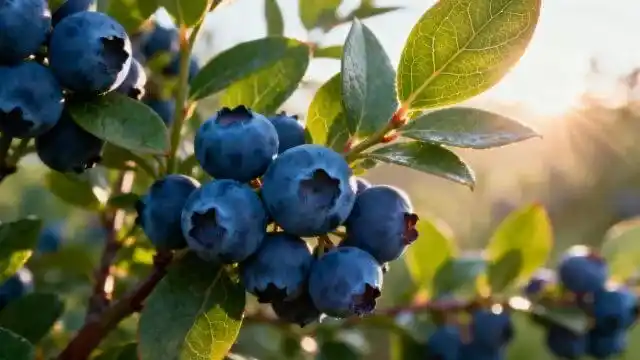
Blueberry Benefits and Traditional Uses

Blueberry has traditionally been used to support:

  • Nutritious fresh or dried berry use
  • Traditional syrups, jams, and preserves
  • Household berry teas and cordials
  • Folk use of the leaves in simple herbal teas
  • Seasonal food traditions throughout North America

Blueberries have long been gathered and cultivated in North America, where the fruit became important in preserves, baked foods, syrups, and seasonal household remedies. The plant remains one of the most recognizable native berry shrubs in the United States.

“The blueberries are tasting extra blue this year. That surprises me, because my tongue is color blind.”

— Jarod Kintz, Me and memes and memories

Blueberry Preparation Methods

Blueberry can be prepared in several traditional ways:


Tea

Dried berries or, less commonly, dried leaves may be steeped in hot water for a mild herbal tea.

Part of the plant used: Berries or leaves

Syrup

Blueberries may be gently cooked with water and sweetener to make a thick traditional berry syrup.

Part of the plant used: Berries

Dried Fruit

The berries may be dried for later use in snacks, porridges, teas, and household recipes.

Part of the plant used: Berries

Infused Vinegar

Fresh berries may be steeped in vinegar for culinary use in dressings and berry tonics.

Part of the plant used: Berries


Growing Blueberry

Blueberries are acid-loving shrubs that thrive in moist but well-drained soil and reward growers with spring flowers, summer fruit, and bright fall color.

  • Prefer full sun for the best fruit production, though light shade is tolerated
  • Need acidic soil rich in organic matter
  • Grow well in USDA zones 3–8 in many parts of the United States
  • Benefit from regular moisture and mulch around shallow roots
  • Usually produce better crops when more than one compatible variety is planted nearby

Blueberries are among the best fruiting shrubs for US home gardens, but they do need the right soil chemistry. Alkaline soil often limits performance unless it is amended or plants are grown in raised beds or containers.


Safety Considerations

Blueberries are widely consumed as food and are generally considered gentle, but concentrated leaf or extract preparations still deserve sensible care.

However:

  • Whole berries are commonly eaten as food, but concentrated products may affect individuals differently.
  • People with plant sensitivities or food allergies should introduce new preparations cautiously.
  • Blueberry leaf teas and extracts are more specialized than ordinary fruit consumption and should be used thoughtfully.
  • Individuals using medications that affect blood sugar should use caution with concentrated supplemental products.
  • As with any berry preparation, quality, storage, and freshness matter.
  • Always consult a qualified professional before using herbs for health purposes.

This information is provided for educational purposes only and is not medical advice.

Image Disclaimer: Images are for reference only and should not be used as the sole method of identification. Always confirm identification with a qualified source.
Frequently Asked Questions
What is blueberry traditionally used for?

Blueberry is traditionally used mainly as a nourishing fruit. The berries have long been eaten fresh, dried, or preserved, while the leaves have occasionally been used in simple folk herbal teas.

What part of the blueberry plant is used?

The berries are the part most commonly used, especially in food, syrups, preserves, and teas. In some traditions the leaves are also dried for herbal infusions, but fruit use is far more common.

Can blueberry be used in herbal tea?

Yes. Dried blueberries can be added to tea blends, and some people also prepare mild infusions from the leaves. Berry teas are usually gentler and more food-like than strongly medicinal herb teas.

Can blueberry grow in the United States?

Yes. Blueberries are one of the best-loved fruit shrubs for US gardens and farms. Many types grow well in USDA zones 3–8 when they have acidic soil, regular moisture, and full sun.

Do blueberries need acidic soil?

Yes. Blueberries grow best in acidic soil rich in organic matter. Without the right soil pH, plants often struggle, even when water and sunlight are otherwise suitable.

Are there safety concerns with blueberry leaf products?

Fresh berries are widely used as food, but concentrated blueberry leaf products deserve more caution than ordinary fruit use. People using supplemental products should be thoughtful about quality and potential interactions.

Blueberry Plant Benefits and How to Use

Help Us Improve the Blueberry Page

Do you grow, photograph, study, or work with this plant?

If you have an accurate photo, growing experience, traditional use note, identification detail, correction, or useful source to share, we would love to hear from you.

Your contribution may help improve the accuracy, usefulness, and educational value of this page for other readers.


Share a photo, correction, or plant note →

Botanical Overview

  • Botanical name: Vaccinium corymbosum
  • Family: Ericaceae
  • Plant type: Fruit shrub
  • Native region: Eastern North America
  • Common names: Highbush blueberry, American blueberry