
Fennel Uses & How to Use It (Foeniculum vulgare)

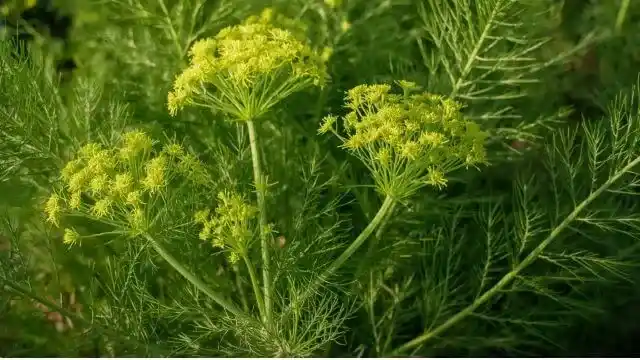
Fennel (Foeniculum vulgare) is an aromatic plant in the Apiaceae family, the same botanical group that includes herbs such as dill, coriander, and parsley. Native to the Mediterranean region, fennel has been cultivated and valued for centuries for both culinary and traditional herbal uses. The plant produces feathery leaves, bright yellow flowers, and highly fragrant seeds with a distinctive sweet, licorice-like aroma.

Historically, fennel has appeared in many herbal traditions where the seeds, leaves, and bulbs were used in a variety of preparations. It has long been included in herbal teas, traditional infusions, culinary dishes, and household herbal blends, reflecting its reputation as both a useful garden herb and a versatile aromatic plant.

Fennel Benefits and Traditional Uses

Fennel has traditionally been used to support:

  • General herbal wellness traditions
  • Digestive comfort
  • Traditional herbal preparations
  • Herbal tonics and teas
  • Historical herbal remedies

Historically, fennel has appeared in many traditional herbal systems where plants were valued for their role in maintaining general wellbeing.

“Serpents eat fennel to sharpen their sight.”

— Pliny the Elder, Naturalis Historia

Fennel Preparation Methods

Fennel can be prepared in several traditional ways:


Herbal Tea

Fennel seeds may be steeped in hot water to prepare a traditional herbal infusion. The seeds release a sweet, aromatic flavour and have long been included in household herbal teas and seed blends.

Part of the plant used: Seeds

Tincture

Fennel seeds may be prepared as a traditional alcohol extract. Tinctures have long been used as a convenient way to preserve the aromatic qualities of the seed.

Part of the plant used: Seeds

Culinary Use

Fennel seeds, leaves, and bulb may all be used in traditional culinary preparations. The seeds are often added to blends and baked goods, while the bulb and foliage are used fresh in a range of dishes.

Part of the plant used: Seeds, leaves, or bulb

Infused Syrup or Honey

Fennel has traditionally been included in sweet herbal preparations such as syrups or honey infusions, where its naturally aromatic flavour pairs well with other garden herbs and spices.

Part of the plant used: Seeds

Essential Oil

Fennel seeds may also be distilled to produce fennel essential oil, a concentrated aromatic oil traditionally used in perfumery, aromatherapy, and fragrance preparations.

Part of the plant used: Seeds


Growing Fennel

This herb grows in a range of garden conditions and is sometimes cultivated in herb gardens.

  • Prefers full sun to partial shade
  • Grows best in well-drained soil
  • Hardiness varies depending on species
  • Can be cultivated in temperate regions of the United States

When grown in suitable conditions, the plant can become well established and may self-seed or spread depending on the species.


Safety Considerations

Fennel has a long history of traditional use, however care should always be taken when using herbal plants.

However:

  • Fennel is generally well tolerated, but concentrated fennel preparations may cause digestive discomfort in some individuals.
  • Because fennel contains naturally occurring aromatic compounds with mild estrogen-like activity, concentrated use may not suit everyone.
  • Individuals sensitive to celery, carrot, mugwort, or other related plants should use caution.
  • Fennel essential oil is much more concentrated than tea or culinary use and requires greater care.
  • Pregnant or breastfeeding individuals should consult a qualified healthcare professional before using concentrated fennel preparations.
  • Always consult a qualified healthcare professional before using fennel alongside prescription medications.

This information is provided for educational purposes only and is not medical advice.

Image Disclaimer: Images are for reference only and should not be used as the sole method of identification. Always confirm identification with a qualified source.
Frequently Asked Questions
What is fennel used for traditionally?

Fennel has traditionally been used in herbal teas and culinary preparations and is well known for its aromatic seeds.

What part of the fennel plant is used?

The seeds are most commonly used, although the leaves and bulb are also used in cooking.

Can fennel seeds be used to make tea?

Yes. Fennel seeds are frequently steeped in hot water to create a fragrant herbal infusion.

Is fennel used in cooking?

Fennel is widely used in Mediterranean cooking, where the seeds, leaves, and bulb are all used as flavoring ingredients.

Can fennel grow in the United States?

Fennel grows well in many parts of the United States and is hardy in USDA growing zones 4–9.

Is fennel easy to grow in a home garden?

Fennel generally grows well in sunny garden beds with well‑drained soil.

Fennel Traditional uses and benefits

Help Us Improve the Fennel Page

Do you grow, photograph, study, or work with this plant?

If you have an accurate photo, growing experience, traditional use note, identification detail, correction, or useful source to share, we would love to hear from you.

Your contribution may help improve the accuracy, usefulness, and educational value of this page for other readers.


Share a photo, correction, or plant note →

Botanical Overview

  • Botanical name: Foeniculum vulgare
  • Family: Apiaceae
  • Plant type: Perennial herb
  • Native region: Mediterranean region
  • Common names: Sweet fennel