

Lavender After-Sun Aloe Gel
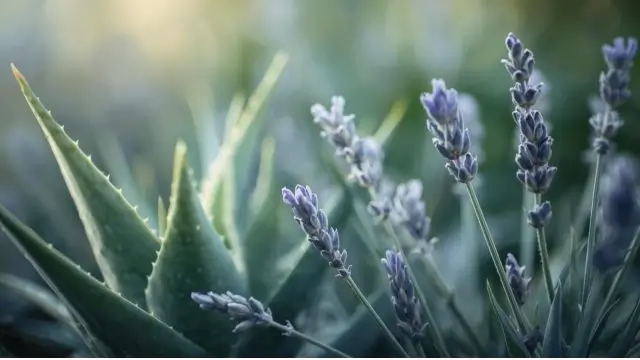
This lavender after-sun aloe gel is a light, cooling recipe for skin that feels warm, dry, or tight after time outdoors. Aloe vera gel gives the recipe its fresh gel texture, while a very low amount of lavender essential oil keeps the scent soft.
True lavender essential oil (Lavandula angustifolia) works especially well because it smells clean and practical. This recipe is for mild after-sun comfort only and should not be used on blistered or badly burned skin.
Benefits
- Light gel texture for warm-weather body care
- Uses a very low lavender dilution for sensitive after-sun skin
- Refrigerated storage gives a cooling feel
- A practical recipe for Australian lavender essential oil
Ingredients
- ½ cup aloe vera gel (113 g)
- ½ teaspoon vegetable glycerin (2 g)
- ¼ teaspoon vitamin E oil (1 g)
- 4 drops lavender essential oil
Ingredient Notes
Lavender essential oil:
True lavender essential oil (Lavandula angustifolia) is a good choice for a clean after-sun gel. Use only a low amount because sun-exposed skin can be more sensitive.
Aloe vera gel:
Use a cosmetic aloe gel from a reputable supplier. Fresh aloe shortens the shelf life and should be refrigerated and used quickly.
Vegetable glycerin:
Glycerin adds a little humectant slip so the gel does not feel tight as it dries.
Vitamin E oil:
Vitamin E supports the oils in the formula but does not preserve fresh aloe or water-based ingredients.
Recommended Supplies
Use a clean pump bottle or squeeze bottle for the easiest application.
- 4 oz pump or squeeze bottle
- Small bowl
- Whisk or spatula
- Label
Equipment
- Small mixing bowl
- Whisk or spatula
- 4 oz pump or squeeze bottle
- Label
Method
- Add the aloe vera gel to a clean bowl.
- Stir in the vegetable glycerin and vitamin E oil.
- Add the lavender essential oil and mix thoroughly.
- Transfer to a clean bottle and label.
- Refrigerate if using fresh or minimally preserved aloe gel.
How to Use
Apply a thin layer to clean body skin after sun exposure. Do not use on blistered, peeling, broken, or severely burned skin. Reapply once or twice a day as needed for mild comfort.
Storage
Store in the refrigerator and use within 1-2 weeks if using fresh or minimally preserved aloe. If using a commercially preserved aloe gel, follow the shortest shelf life of your ingredients and keep the bottle clean.
Variations & Substitutions
Lavender After-Sun Gel Variations
Extra Simple Lavender Aloe
- ½ cup aloe vera gel (113 g)
- 3-4 drops lavender essential oil
Lavender Peppermint-Free Cooling Gel
- ½ cup aloe vera gel (113 g)
- ½ teaspoon cucumber extract if you have it (2 g)
- 4 drops lavender essential oil
Safety Considerations
- For external use only. Do not swallow lavender essential oil or add it directly to food or drinks.
- Perform a patch test before using topical recipes, especially if you have sensitive skin or a history of fragrance reactions.
- Avoid contact with eyes, inner ears, mucous membranes, and broken or irritated skin.
- Use less essential oil or discontinue use if redness, itching, headache, dizziness, or breathing discomfort occurs.
- Consult a qualified professional before using essential oils during pregnancy, while nursing, on young children, or with a medical condition.
- Do not use on severe sunburn, blisters, open skin, or infected skin. Seek medical care for serious burns, fever, chills, or extensive redness.
Additional Notes
Because this recipe contains aloe gel, cleanliness and storage matter. Make small batches and discard if the smell, color, or texture changes.
This homemade lavender essential oil recipe is for general wellness and personal care use only. It is not intended to diagnose, treat, cure, or prevent any disease.
Use only for mild after-sun comfort. Do not use on blistered, badly burned, broken, or very painful skin.
If you use fresh aloe or an unpreserved gel, make a small refrigerated batch and use it quickly. Water-based recipes need proper preservation for longer storage.
Australian lavender is a good fit because it smells clean and practical. French lavender also works well.
It is better to skip peppermint on sun-exposed skin because it can feel too intense and may irritate sensitive skin.
Recommended Supplies
Use a clean pump bottle or squeeze bottle for the easiest application.
- 4 oz pump or squeeze bottle
- Small bowl
- Whisk or spatula
- Label