

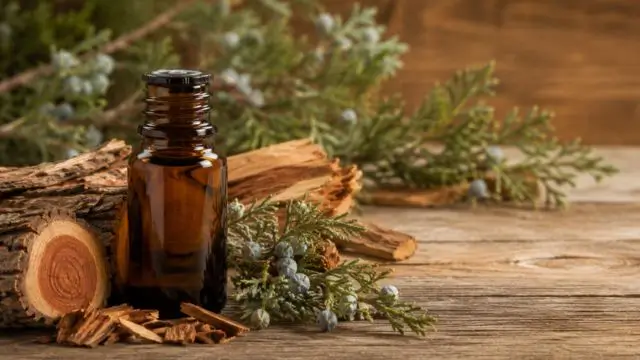
Cedarwood Texas essential oil is steam distilled from the wood of Juniperus ashei, a North American juniper in the Cupressaceae family. It is commonly called Texas cedarwood, although botanically it is not a true cedar from the Cedrus genus.
The tree is native to parts of the south-central United States, especially Texas and nearby areas. Traditionally, its aromatic wood has been associated with posts, rustic storage, outdoor structures, and the dry woody scent many people connect with the American Southwest.
For a USA-focused essential oil collection, Cedarwood Texas earns its own page. It brings a distinctly American cedarwood story, along with a dry, grounding aroma that works beautifully in home fragrance, outdoor blends, soaps, and warm woody diffuser recipes.

Essential Oil Overview
Botanical name:Juniperus ashei
Plant part used: Wood
Extraction method: Steam distillation
Aroma profile: Dry, woody, soft, slightly smoky, and balsamic with a rustic cedar character
Cedarwood Texas has a dry, warm, woody scent with a slightly smoky rustic edge. It is less creamy than Atlas cedarwood and can feel more outdoorsy, making it a strong choice for USA-inspired home fragrance and practical aromatic recipes.
Similar to: Cedar fence posts, dry wood shavings, rustic cabins, warm woodshop, Southwestern cedar groves
Blending Suggestions
Cedarwood Texas essential oil blends best with oils that suit its dry, rustic wood character. Citrus gives it lift, herbs make it practical and clean, conifers enhance the outdoor feeling, and resins add warmth.
This blend smells dry, warm, and quietly outdoorsy, like a shaded porch with citrus peel and cedar wood nearby. Add the drops to a water diffuser and run in a well-ventilated room according to your diffuser instructions.
Common Uses
Diffuser blends: Used as a grounding base note in rustic, outdoor, cabin, forest, and warm woody diffuser recipes.
Outdoor sprays: Adds a dry cedar aroma to patio, porch, camping, and backyard-style aromatic sprays when properly formulated.
Soapmaking: Works well in handmade soap when a dry wood scent is wanted without a heavy sweet perfume character.
Closet and drawer projects: A natural fit for cedar sachets, drawer refreshers, and closet sprays.
Natural fragrance: Used as a base note in rugged colognes, solid perfumes, and woodsy body oil blends.
Targeted Uses
USA-inspired blends: A good choice when you want a cedarwood oil with a clear American origin story for home and outdoor recipes.
Rustic room fragrance: Pairs with orange, pine, rosemary, and frankincense for cabin-style room sprays and diffuser blends.
Porch and patio aromas: Useful in outdoor living blends where dry wood, herbs, and citrus feel more appropriate than soft florals.
Woody soap bars: Can give soap a clean, dry, woodsy scent that works for both simple and masculine-style bars.
Base note support: Helps anchor bright citrus and sharp herbal oils so the blend lasts longer and smells more complete.
Cedarwood Texas has the kind of dry, honest wood scent that feels more like a porch, a fence line, and a warm afternoon than a polished perfume.
Flowers & Herbs note
Cedarwood Texas Essential Oil Preparation Methods
Cedarwood Texas essential oil can be prepared in a few practical ways, but it should always be used with respect for its strength and aroma.
Topical Application
Dilute in a carrier oil before skin use. For adult body oils, solid perfumes, and beard-style blends, 1–2% is usually enough; use less for facial areas.
Remedies:Coming soon rustic body oil and solid perfume recipes using Cedarwood Texas essential oil.
Diffuser
Add 3–5 drops to a diffuser, alone or with orange, rosemary, frankincense, pine, or lavender. It gives blends a dry woody base and a calm cabin-like feel.
Use in a properly formulated outdoor aromatic spray with a solubilizer or ready-made spray base. It works well with lemon eucalyptus, rosemary, peppermint, and citrus oils in porch or patio-style blends.
Add to cedar blocks, sachets, potpourri refreshers, wax melts, or closet sprays where a dry cedar aroma is wanted. Keep oils away from delicate fabrics and finished wood unless the recipe is designed for that surface.
Remedies:More cedarwood home fragrance recipes coming soon.
Safety Considerations
Cedarwood Texas essential oil is a useful woody oil for home and body blends, but it should still be diluted and used thoughtfully.
Dilute before skin use; 1–2% is a common range for adult body blends, with lower amounts for facial or sensitive areas.
Avoid undiluted use on skin, especially on the face, underarms, or freshly shaved areas.
Use caution during pregnancy, while nursing, with children, or around people with respiratory sensitivity.
Do not ingest Cedarwood Texas essential oil.
When using in outdoor sprays, avoid eyes, mucous membranes, and direct spraying on pets.
Diffuse in a well-ventilated room and allow pets to leave the area.
Keep away from flames, heat, sunlight, and delicate surfaces that may be stained by essential oils.
This information is for general educational use only and is not medical advice. Essential oils are concentrated aromatic materials, so use small amounts, patch test when appropriate, and speak with a qualified professional if you are pregnant, nursing, managing a health condition, using medication, or preparing products for children.
Image Disclaimer: Images are for reference only and should not be used as the sole method of identification. Always confirm identification with a qualified source.
Frequently Asked Questions
What is Cedarwood Texas essential oil?
Cedarwood Texas essential oil is steam distilled from the wood of Juniperus ashei, a juniper species native to parts of the south-central United States. It is commonly sold as a cedarwood oil, but botanically it is not a true cedar from the Cedrus genus.
What does Cedarwood Texas essential oil smell like?
Cedarwood Texas smells dry, woody, soft, and slightly smoky with a rustic cedar character. It is less creamy and balsamic than Cedarwood Atlas and often feels more outdoorsy. The aroma works well in porch sprays, cabin-style diffuser blends, soaps, and cedar closet projects.
Is Cedarwood Texas good for a USA essential oil site?
Yes. Cedarwood Texas is especially relevant for a USA-focused essential oil site because the plant is native to the United States and the oil has a clear regional story. It also gives you different recipe angles from Atlas and Himalayan cedarwood, especially outdoor sprays, home fragrance, and rustic diffuser blends.
Can Cedarwood Texas essential oil be used on skin?
Cedarwood Texas can be used on skin when properly diluted in a carrier oil, balm, soap, or finished product. For adult body use, 1–2% is usually enough. Use lower dilutions for facial areas and avoid using it undiluted, especially on sensitive, irritated, or freshly shaved skin.
What blends well with Cedarwood Texas essential oil?
Cedarwood Texas blends well with sweet orange, lemon, grapefruit, rosemary, eucalyptus, peppermint, pine, frankincense, Peru balsam, sandalwood, and black pepper. Citrus oils brighten it, herbs make it feel clean, and resins or woods deepen the rustic cedar base.
What is the difference between Cedarwood Texas and Cedarwood Virginian?
Cedarwood Texas comes from Juniperus ashei and often smells dry, rustic, warm, and slightly smoky. Cedarwood Virginian comes from Juniperus virginiana and usually has a cleaner pencil-shaving aroma. Both are juniper-derived cedarwood oils, but Texas is especially useful for outdoor, porch, and USA-inspired home fragrance recipes.
Cedarwood Texas essential oil is steam distilled from the wood of Juniperus ashei, a North American juniper in the Cupressaceae family. It is commonly called Texas cedarwood, although botanically it is not a true cedar from the Cedrus genus.
The tree is native to parts of the south-central United States, especially Texas and nearby areas. Traditionally, its aromatic wood has been associated with posts, rustic storage, outdoor structures, and the dry woody scent many people connect with the American Southwest.
For a USA-focused essential oil collection, Cedarwood Texas earns its own page. It brings a distinctly American cedarwood story, along with a dry, grounding aroma that works beautifully in home fragrance, outdoor blends, soaps, and warm woody diffuser recipes.
Aromatic Profile
Cedarwood Texas has a dry, warm, woody scent with a slightly smoky rustic edge. It is less creamy than Atlas cedarwood and can feel more outdoorsy, making it a strong choice for USA-inspired home fragrance and practical aromatic recipes.
Similar to: Cedar fence posts, dry wood shavings, rustic cabins, warm woodshop, Southwestern cedar groves
Common Uses
Diffuser blends: Used as a grounding base note in rustic, outdoor, cabin, forest, and warm woody diffuser recipes.
Outdoor sprays: Adds a dry cedar aroma to patio, porch, camping, and backyard-style aromatic sprays when properly formulated.
Soapmaking: Works well in handmade soap when a dry wood scent is wanted without a heavy sweet perfume character.
Closet and drawer projects: A natural fit for cedar sachets, drawer refreshers, and closet sprays.
Natural fragrance: Used as a base note in rugged colognes, solid perfumes, and woodsy body oil blends.
Targeted Uses
USA-inspired blends: A good choice when you want a cedarwood oil with a clear American origin story for home and outdoor recipes.
Rustic room fragrance: Pairs with orange, pine, rosemary, and frankincense for cabin-style room sprays and diffuser blends.
Porch and patio aromas: Useful in outdoor living blends where dry wood, herbs, and citrus feel more appropriate than soft florals.
Woody soap bars: Can give soap a clean, dry, woodsy scent that works for both simple and masculine-style bars.
Base note support: Helps anchor bright citrus and sharp herbal oils so the blend lasts longer and smells more complete.
Cedarwood Texas has the kind of dry, honest wood scent that feels more like a porch, a fence line, and a warm afternoon than a polished perfume.
Flowers & Herbs note
Cedarwood Texas Essential Oil Preparation Methods
Cedarwood Texas essential oil can be prepared in a few practical ways, but it should always be used with respect for its strength and aroma.
Topical Application
Dilute in a carrier oil before skin use. For adult body oils, solid perfumes, and beard-style blends, 1–2% is usually enough; use less for facial areas.
Remedies:Coming soon rustic body oil and solid perfume recipes using Cedarwood Texas essential oil.
Diffuser
Add 3–5 drops to a diffuser, alone or with orange, rosemary, frankincense, pine, or lavender. It gives blends a dry woody base and a calm cabin-like feel.
Use in a properly formulated outdoor aromatic spray with a solubilizer or ready-made spray base. It works well with lemon eucalyptus, rosemary, peppermint, and citrus oils in porch or patio-style blends.
Add to cedar blocks, sachets, potpourri refreshers, wax melts, or closet sprays where a dry cedar aroma is wanted. Keep oils away from delicate fabrics and finished wood unless the recipe is designed for that surface.
Remedies:More cedarwood home fragrance recipes coming soon.
Safety Considerations
Cedarwood Texas essential oil is a useful woody oil for home and body blends, but it should still be diluted and used thoughtfully.
Dilute before skin use; 1–2% is a common range for adult body blends, with lower amounts for facial or sensitive areas.
Avoid undiluted use on skin, especially on the face, underarms, or freshly shaved areas.
Use caution during pregnancy, while nursing, with children, or around people with respiratory sensitivity.
Do not ingest Cedarwood Texas essential oil.
When using in outdoor sprays, avoid eyes, mucous membranes, and direct spraying on pets.
Diffuse in a well-ventilated room and allow pets to leave the area.
Keep away from flames, heat, sunlight, and delicate surfaces that may be stained by essential oils.
This information is for general educational use only and is not medical advice. Essential oils are concentrated aromatic materials, so use small amounts, patch test when appropriate, and speak with a qualified professional if you are pregnant, nursing, managing a health condition, using medication, or preparing products for children.
Image Disclaimer: Images are for reference only and should not be used as the sole method of identification. Always confirm identification with a qualified source.
Frequently Asked Questions
What is Cedarwood Texas essential oil?
Cedarwood Texas essential oil is steam distilled from the wood of Juniperus ashei, a juniper species native to parts of the south-central United States. It is commonly sold as a cedarwood oil, but botanically it is not a true cedar from the Cedrus genus.
What does Cedarwood Texas essential oil smell like?
Cedarwood Texas smells dry, woody, soft, and slightly smoky with a rustic cedar character. It is less creamy and balsamic than Cedarwood Atlas and often feels more outdoorsy. The aroma works well in porch sprays, cabin-style diffuser blends, soaps, and cedar closet projects.
Is Cedarwood Texas good for a USA essential oil site?
Yes. Cedarwood Texas is especially relevant for a USA-focused essential oil site because the plant is native to the United States and the oil has a clear regional story. It also gives you different recipe angles from Atlas and Himalayan cedarwood, especially outdoor sprays, home fragrance, and rustic diffuser blends.
Can Cedarwood Texas essential oil be used on skin?
Cedarwood Texas can be used on skin when properly diluted in a carrier oil, balm, soap, or finished product. For adult body use, 1–2% is usually enough. Use lower dilutions for facial areas and avoid using it undiluted, especially on sensitive, irritated, or freshly shaved skin.
What blends well with Cedarwood Texas essential oil?
Cedarwood Texas blends well with sweet orange, lemon, grapefruit, rosemary, eucalyptus, peppermint, pine, frankincense, Peru balsam, sandalwood, and black pepper. Citrus oils brighten it, herbs make it feel clean, and resins or woods deepen the rustic cedar base.
What is the difference between Cedarwood Texas and Cedarwood Virginian?
Cedarwood Texas comes from Juniperus ashei and often smells dry, rustic, warm, and slightly smoky. Cedarwood Virginian comes from Juniperus virginiana and usually has a cleaner pencil-shaving aroma. Both are juniper-derived cedarwood oils, but Texas is especially useful for outdoor, porch, and USA-inspired home fragrance recipes.
Essential Oil Overview
Botanical name:Juniperus ashei
Plant part used: Wood
Extraction method: Steam distillation
Aroma profile: Dry, woody, soft, slightly smoky, and balsamic with a rustic cedar character
Cedarwood Texas essential oil blends best with oils that suit its dry, rustic wood character. Citrus gives it lift, herbs make it practical and clean, conifers enhance the outdoor feeling, and resins add warmth.
This blend smells dry, warm, and quietly outdoorsy, like a shaded porch with citrus peel and cedar wood nearby. Add the drops to a water diffuser and run in a well-ventilated room according to your diffuser instructions.