

Blood Orange Essential Oil is obtained from the peel of Citrus sinensis, a member of the Rutaceae family associated with Mediterranean and warm citrus-growing regions. It is valued for a scent that is clearly its own rather than a generic version of a broader oil family.
Traditionally, blood orange has been chosen when a blend needs its particular aromatic character, whether that means more brightness, more depth, more greenery, more spice, or a more unusual botanical accent.
For modern essential oil use, it is especially helpful when you want a clearly defined aromatic role in diffusion, natural perfumery, or oil-based body products.
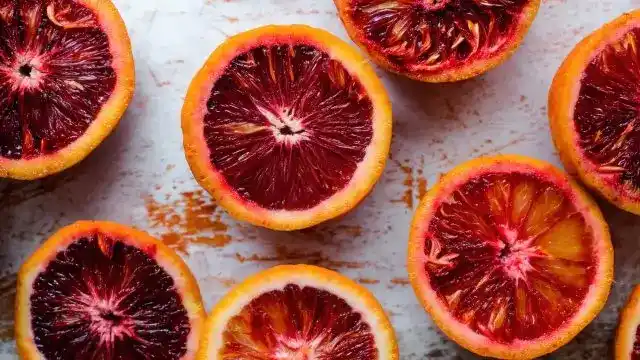
Essential Oil Overview
Botanical name:Citrus sinensis
Plant part used: Peel
Extraction method: Cold pressing
Aroma profile: Sweet, juicy, and sunlit with orange peel brightness, soft tartness, and a deeper fruit-red richness than standard sweet orange.
Aroma note: Top note
Key components: Limonene, Myrcene, Linalool
Top benefits:
Provides a richer sweeter orange profile than standard sweet orange
Useful in uplifting diffuser blends and home fragrance
Pairs beautifully with spice, florals, and woods
Adds juicy warmth to seasonal and dessert-style accords
Blood orange smells like a deeper and slightly tarter sweet orange. It keeps the familiar juicy citrus peel profile, but adds a richer red-fruit warmth that can make a blend feel fuller and more luxurious.
Scent family: Citrus-sweet
Fragrance notes: Juicy orange peel, soft tartness, warm fruit sweetness, and sunlit citrus richness.
Similar to: Sweet Orange, Mandarin, Tangerine, Bergamot
Blood Orange blends well with oils that support its natural aromatic direction.
Lavender (True) rounds the citrus and makes it feel smoother and more versatile.
Simple blend recipe
Try 3 drops Blood Orange, 2 drops Cardamom, 2 drops Cedarwood, and 1 drop Neroli in a diffuser for a rich warm citrus blend with depth.
Common Uses
Diffuser blends where a clear aromatic identity is important
Oil-based body products at proper dilution
Room sprays and home fragrance blends
Natural perfumery or pulse-point style blends
Targeted Uses
Useful when a formula needs the specific character of blood orange rather than a broader substitute
Helpful for comparing related oils in the same aromatic family
Works best when paired with oils that support its natural direction
Blood Orange has long been valued for an aroma that is immediately recognizable within its plant family.
Traditional aromatic use
Preparation Methods
Topical: Dilute Blood Orange Essential Oil in a carrier oil, balm, lotion, or serum when you want its distinctive aroma in a skin-safe formula.
Diffuser: Add Blood Orange Essential Oil to a diffuser when you want the room to carry its sweet, juicy, and sunlit with orange peel brightness, soft tartness, and a deeper fruit-red richness than standard sweet orange.
Bath: Combine Blood Orange Essential Oil with a suitable carrier or dispersant before adding it to bath water.
Other: It can also be used in room sprays, natural perfume, pulse-point oils, beard oils, and seasonal home fragrance depending on the oil.
Safety Considerations
Blood orange is usually cold pressed from the peel, so skin use calls for thoughtful dilution and sun awareness.
Dilute before topical use; lower strengths are often wise for leave-on products.
Do not apply the oil neat to the skin.
Because expressed citrus oils may increase sun sensitivity, be cautious with skin that will be exposed to strong sunlight unless your material is confirmed as non-phototoxic.
Use caution during pregnancy, while breastfeeding, or when blending for children unless professionally advised.
Diffuse around pets moderately and with ventilation.
This essential oil information is for educational purposes only and is not medical advice. Always dilute properly and adjust use for age, sensitivity, and application method.
Image Disclaimer: Images are for reference only and should not be used as the sole method of identification. Always confirm identification with a qualified source.
Frequently Asked Questions
What is Blood Orange Essential Oil used for?
Blood Orange Essential Oil is used in diffuser blends, oil-based body products, room sprays, and natural perfumery when its own aroma profile is wanted. It is best chosen for formulas that suit its scent, strength, and botanical character rather than as a generic substitute.
What does Blood Orange Essential Oil smell like?
Blood Orange Essential Oil smells sweet, juicy, and sunlit with orange peel brightness, soft tartness, and a deeper fruit-red richness than standard sweet orange. The exact balance can shift with origin and distillation style, but the overall character should stay true to the botanical and the type of oil.
Can Blood Orange Essential Oil be used on the skin?
Yes, Blood Orange Essential Oil can be used topically when it is properly diluted in a carrier oil or finished product. Around 1% is often a practical starting point for adult leave-on use, although stronger oils and sensitive skin may call for less.
How is Blood Orange Essential Oil different from similar oils?
Blood Orange Essential Oil differs because it is richer and slightly tarter than standard sweet orange, with more red-fruit warmth and depth. That changes how it behaves in a blend, whether you want something brighter, greener, hotter, softer, sweeter, or more resinous than a related oil.
What oils blend well with Blood Orange Essential Oil?
Blood Orange Essential Oil usually blends well with oils that support its natural profile. Depending on the oil, that may include citrus for lift, woods or resins for depth, herbs for structure, or florals to soften and round the blend.
Is Blood Orange Essential Oil the same as Citrus sinensis oil?
Yes. Blood Orange Essential Oil is the essential oil page here for the oil distilled from Citrus sinensis. The botanical name matters because related oils can smell and behave quite differently even when the common names sound similar.
Blood Orange Essential Oil is obtained from the peel of Citrus sinensis, a member of the Rutaceae family associated with Mediterranean and warm citrus-growing regions. It is valued for a scent that is clearly its own rather than a generic version of a broader oil family.
Traditionally, blood orange has been chosen when a blend needs its particular aromatic character, whether that means more brightness, more depth, more greenery, more spice, or a more unusual botanical accent.
For modern essential oil use, it is especially helpful when you want a clearly defined aromatic role in diffusion, natural perfumery, or oil-based body products.
Aromatic Profile
Blood orange smells like a deeper and slightly tarter sweet orange. It keeps the familiar juicy citrus peel profile, but adds a richer red-fruit warmth that can make a blend feel fuller and more luxurious.
Scent family: Citrus-sweet
Fragrance notes: Juicy orange peel, soft tartness, warm fruit sweetness, and sunlit citrus richness.
Similar to: Sweet Orange, Mandarin, Tangerine, Bergamot
Common Uses
Diffuser blends where a clear aromatic identity is important
Oil-based body products at proper dilution
Room sprays and home fragrance blends
Natural perfumery or pulse-point style blends
Targeted Uses
Useful when a formula needs the specific character of blood orange rather than a broader substitute
Helpful for comparing related oils in the same aromatic family
Works best when paired with oils that support its natural direction
Blood Orange has long been valued for an aroma that is immediately recognizable within its plant family.
Traditional aromatic use
Preparation Methods
Topical: Dilute Blood Orange Essential Oil in a carrier oil, balm, lotion, or serum when you want its distinctive aroma in a skin-safe formula.
Diffuser: Add Blood Orange Essential Oil to a diffuser when you want the room to carry its sweet, juicy, and sunlit with orange peel brightness, soft tartness, and a deeper fruit-red richness than standard sweet orange.
Bath: Combine Blood Orange Essential Oil with a suitable carrier or dispersant before adding it to bath water.
Other: It can also be used in room sprays, natural perfume, pulse-point oils, beard oils, and seasonal home fragrance depending on the oil.
Safety Considerations
Blood orange is usually cold pressed from the peel, so skin use calls for thoughtful dilution and sun awareness.
Dilute before topical use; lower strengths are often wise for leave-on products.
Do not apply the oil neat to the skin.
Because expressed citrus oils may increase sun sensitivity, be cautious with skin that will be exposed to strong sunlight unless your material is confirmed as non-phototoxic.
Use caution during pregnancy, while breastfeeding, or when blending for children unless professionally advised.
Diffuse around pets moderately and with ventilation.
This essential oil information is for educational purposes only and is not medical advice. Always dilute properly and adjust use for age, sensitivity, and application method.
Image Disclaimer: Images are for reference only and should not be used as the sole method of identification. Always confirm identification with a qualified source.
Frequently Asked Questions
What is Blood Orange Essential Oil used for?
Blood Orange Essential Oil is used in diffuser blends, oil-based body products, room sprays, and natural perfumery when its own aroma profile is wanted. It is best chosen for formulas that suit its scent, strength, and botanical character rather than as a generic substitute.
What does Blood Orange Essential Oil smell like?
Blood Orange Essential Oil smells sweet, juicy, and sunlit with orange peel brightness, soft tartness, and a deeper fruit-red richness than standard sweet orange. The exact balance can shift with origin and distillation style, but the overall character should stay true to the botanical and the type of oil.
Can Blood Orange Essential Oil be used on the skin?
Yes, Blood Orange Essential Oil can be used topically when it is properly diluted in a carrier oil or finished product. Around 1% is often a practical starting point for adult leave-on use, although stronger oils and sensitive skin may call for less.
How is Blood Orange Essential Oil different from similar oils?
Blood Orange Essential Oil differs because it is richer and slightly tarter than standard sweet orange, with more red-fruit warmth and depth. That changes how it behaves in a blend, whether you want something brighter, greener, hotter, softer, sweeter, or more resinous than a related oil.
What oils blend well with Blood Orange Essential Oil?
Blood Orange Essential Oil usually blends well with oils that support its natural profile. Depending on the oil, that may include citrus for lift, woods or resins for depth, herbs for structure, or florals to soften and round the blend.
Is Blood Orange Essential Oil the same as Citrus sinensis oil?
Yes. Blood Orange Essential Oil is the essential oil page here for the oil distilled from Citrus sinensis. The botanical name matters because related oils can smell and behave quite differently even when the common names sound similar.
Essential Oil Overview
Botanical name:Citrus sinensis
Plant part used: Peel
Extraction method: Cold pressing
Aroma profile: Sweet, juicy, and sunlit with orange peel brightness, soft tartness, and a deeper fruit-red richness than standard sweet orange.
Aroma note: Top note
Key components: Limonene, Myrcene, Linalool
Top benefits:
Provides a richer sweeter orange profile than standard sweet orange
Useful in uplifting diffuser blends and home fragrance
Pairs beautifully with spice, florals, and woods
Adds juicy warmth to seasonal and dessert-style accords