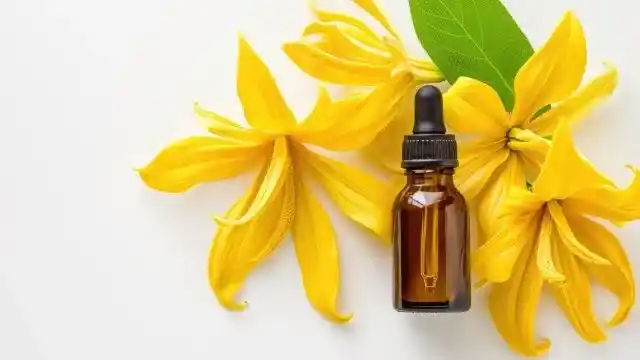

Ylang ylang essential oil comes from the fragrant flowers of Cananga odorata, a tropical tree in the Annonaceae family native to Southeast Asia. It is one of the most recognisable floral oils in perfumery because it can be distilled in fractions, each with a slightly different character.
Traditionally, ylang ylang flowers have been associated with adornment, celebration, and sensual floral perfumery. The essential oil is widely used in natural fragrance, diffuser blends, hair oils, and body products where a lush floral heart is wanted.
The first fraction is brighter and more lifted, later fractions are heavier and more balsamic, and complete ylang ylang offers the broadest overall profile. Understanding these differences helps you choose the right version for the formula.
Shows how fractioning changes the aroma from bright to heavy
Useful for comparing perfumery behavior across grades
Adds floral body, sweetness, and diffusion to blends
Works beautifully in romance, evening, and tropical accords
Helpful when building from bright top notes into a floral heart
Types Available
Ylang ylang essential oil is produced through fractional distillation, resulting in several grades with slightly different aromatic profiles and uses.
Ylang Ylang 1st – the first distillation fraction, light, highly floral, and commonly used in perfumery.
Ylang Ylang 2nd information coming soon.
Ylang Ylang 3rd – a later fraction with a richer, heavier aroma, often used in hair and skin care.
Ylang Ylang Complete – a recombined oil containing all fractions, offering a balanced, full-bodied aroma.
Cananga Oil
Aromatic Profile
Ylang Ylang Essential Oil has a rich, exotic, floral, creamy, and sweet with fruit, spice, and soft banana-like nuances. It usually performs best when you let its natural tone lead the blend instead of burying it under too many competing notes.
Scent family: Floral
Fragrance notes: Heady white flower, banana peel, cream, spice, and faint green wood
Similar to: Cananga, Jasmine, Neroli
Ylang Ylang Essential Oil blends best with oils that respect its natural character rather than forcing it into a generic formula.
Floral bridge
Cananga Essential Oil helps compare the broader family resemblance while keeping a slightly greener tone.
Citrus opening
Bergamot Essential Oil lifts the floral heart and prevents the profile from feeling too heavy too quickly.
Try 2 drops Ylang Ylang Complete, 2 drops Bergamot, 2 drops Rose Geranium, and 1 drop Frankincense Carterii in a diffuser for a floral blend with lift, body, and depth.
Common Uses
Natural perfume and pulse-point blends
Diffuser recipes for a lush floral atmosphere
Hair and body oils where a rich tropical floral note is desired
Layering with citrus, woods, and florals
Targeted Uses
Useful when you want one page that explains how the ylang ylang fractions differ
Helps compare bright perfumery uses versus deeper floral body
Supports more intentional blending when choosing between 1st, 3rd, complete, and cananga
Ylang ylang is one of the great floral teachers of perfumery, revealing how a single flower can unfold in stages from brightness to velvet depth.
Traditional perfumery practice
Preparation Methods
Topical: Blend Ylang Ylang Essential Oil into a properly diluted carrier oil, balm, lotion, or serum when you want its characteristic scent in a skin-safe topical formula.
Diffuser: Use Ylang Ylang Essential Oil in a diffuser when you want the room to carry its rich, exotic, floral, creamy, and sweet with fruit, spice, and soft banana-like nuances in a clear and noticeable way.
Bath: For bath use, first combine Ylang Ylang Essential Oil with a suitable carrier or dispersant before adding it to water.
Other: It is also useful in room sprays, pulse-point oils, natural perfume, and oil-based home fragrance blends depending on the strength and style of the aroma.
Safety Considerations
Ylang Ylang Essential Oil essential oil should be used with thoughtful dilution and moderation, especially because concentrated aromatic oils can affect people very differently depending on the formula and setting.
Ylang ylang is powerful and often needs less than you expect, especially in diffuser blends and perfumes.
Start with low topical dilution, around 0.5-1%, because the aroma can become overwhelming on skin.
Patch test before broader use, especially on sensitive skin or in leave-on products.
Some people find rich floral oils cloying or headache inducing when overused, so diffuse lightly.
Avoid direct contact with eyes, mucous membranes, and irritated skin.
Pregnant or breastfeeding users and anyone under medical care should seek professional advice before regular use.
Use carefully around pets and avoid saturating enclosed spaces with heavy floral diffusion.
This information is for educational purposes only and is not medical advice. Essential oils are highly concentrated and should be used carefully, especially for children, during pregnancy, around pets, and on sensitive skin.
Image Disclaimer: Images are for reference only and should not be used as the sole method of identification. Always confirm identification with a qualified source.
Frequently Asked Questions
What does ylang ylang essenial oil (all versions) smell like?
Ylang Ylang Essenial Oil (All Versions) has a rich, exotic, floral, creamy, and sweet with fruit, spice, and soft banana-like nuances. In practice, that means it can change a blend quickly, so even a small amount usually makes a noticeable difference. Its scent profile is one of the main reasons people choose it over more common oils.
What is ylang ylang essenial oil (all versions) commonly used for?
Ylang Ylang Essenial Oil (All Versions) is commonly used in diffuser blends, aromatic body products, room sprays, and natural fragrance work. It is especially useful when a formula needs shows how fractioning changes the aroma from bright to heavy. The exact role depends on whether you want it to act as a bright top note, a supporting heart note, or a deeper finishing note.
Is ylang ylang essenial oil (all versions) a top, middle, or base note?
This oil is generally treated as a middle note. That gives you a good starting point when building blends, although the final effect also depends on what oils you pair with it and how strongly you use it.
What oils blend well with ylang ylang essenial oil (all versions)?
Ylang Ylang Essenial Oil (All Versions) usually blends well with oils that support its natural personality rather than fight it. Good partners often include the oils listed in the blending section on this page, especially when you want to emphasize adds floral body, sweetness, and diffusion to blends. Choosing companions with a related aromatic direction usually gives the cleanest result.
Can ylang ylang essenial oil (all versions) be used on skin?
Ylang Ylang Essenial Oil (All Versions) can be used topically only when it is properly diluted in a suitable carrier. Because essential oils are concentrated, patch testing and careful dilution are important. Some oils in this group also need extra caution for sensitive skin, sunlight exposure, children, pregnancy, or pets.
How is ylang ylang essenial oil (all versions) different from similar oils?
Ylang Ylang Essenial Oil (All Versions) stands apart because of its particular botanical identity and aromatic shape. Even oils from the same plant family can behave very differently in a formula. That is why it helps to compare note, strength, sweetness, freshness, and persistence before deciding which oil best suits the blend you want to create.
Ylang ylang essential oil comes from the fragrant flowers of Cananga odorata, a tropical tree in the Annonaceae family native to Southeast Asia. It is one of the most recognisable floral oils in perfumery because it can be distilled in fractions, each with a slightly different character.
Traditionally, ylang ylang flowers have been associated with adornment, celebration, and sensual floral perfumery. The essential oil is widely used in natural fragrance, diffuser blends, hair oils, and body products where a lush floral heart is wanted.
The first fraction is brighter and more lifted, later fractions are heavier and more balsamic, and complete ylang ylang offers the broadest overall profile. Understanding these differences helps you choose the right version for the formula.
Ylang Ylang Essential Oil has a rich, exotic, floral, creamy, and sweet with fruit, spice, and soft banana-like nuances. It usually performs best when you let its natural tone lead the blend instead of burying it under too many competing notes.
Scent family: Floral
Fragrance notes: Heady white flower, banana peel, cream, spice, and faint green wood
Similar to: Cananga, Jasmine, Neroli
Common Uses
Natural perfume and pulse-point blends
Diffuser recipes for a lush floral atmosphere
Hair and body oils where a rich tropical floral note is desired
Layering with citrus, woods, and florals
Targeted Uses
Useful when you want one page that explains how the ylang ylang fractions differ
Helps compare bright perfumery uses versus deeper floral body
Supports more intentional blending when choosing between 1st, 3rd, complete, and cananga
Ylang ylang is one of the great floral teachers of perfumery, revealing how a single flower can unfold in stages from brightness to velvet depth.
Traditional perfumery practice
Preparation Methods
Topical: Blend Ylang Ylang Essential Oil into a properly diluted carrier oil, balm, lotion, or serum when you want its characteristic scent in a skin-safe topical formula.
Diffuser: Use Ylang Ylang Essential Oil in a diffuser when you want the room to carry its rich, exotic, floral, creamy, and sweet with fruit, spice, and soft banana-like nuances in a clear and noticeable way.
Bath: For bath use, first combine Ylang Ylang Essential Oil with a suitable carrier or dispersant before adding it to water.
Other: It is also useful in room sprays, pulse-point oils, natural perfume, and oil-based home fragrance blends depending on the strength and style of the aroma.
Safety Considerations
Ylang Ylang Essential Oil essential oil should be used with thoughtful dilution and moderation, especially because concentrated aromatic oils can affect people very differently depending on the formula and setting.
Ylang ylang is powerful and often needs less than you expect, especially in diffuser blends and perfumes.
Start with low topical dilution, around 0.5-1%, because the aroma can become overwhelming on skin.
Patch test before broader use, especially on sensitive skin or in leave-on products.
Some people find rich floral oils cloying or headache inducing when overused, so diffuse lightly.
Avoid direct contact with eyes, mucous membranes, and irritated skin.
Pregnant or breastfeeding users and anyone under medical care should seek professional advice before regular use.
Use carefully around pets and avoid saturating enclosed spaces with heavy floral diffusion.
This information is for educational purposes only and is not medical advice. Essential oils are highly concentrated and should be used carefully, especially for children, during pregnancy, around pets, and on sensitive skin.
Image Disclaimer: Images are for reference only and should not be used as the sole method of identification. Always confirm identification with a qualified source.
Frequently Asked Questions
What does ylang ylang essenial oil (all versions) smell like?
Ylang Ylang Essenial Oil (All Versions) has a rich, exotic, floral, creamy, and sweet with fruit, spice, and soft banana-like nuances. In practice, that means it can change a blend quickly, so even a small amount usually makes a noticeable difference. Its scent profile is one of the main reasons people choose it over more common oils.
What is ylang ylang essenial oil (all versions) commonly used for?
Ylang Ylang Essenial Oil (All Versions) is commonly used in diffuser blends, aromatic body products, room sprays, and natural fragrance work. It is especially useful when a formula needs shows how fractioning changes the aroma from bright to heavy. The exact role depends on whether you want it to act as a bright top note, a supporting heart note, or a deeper finishing note.
Is ylang ylang essenial oil (all versions) a top, middle, or base note?
This oil is generally treated as a middle note. That gives you a good starting point when building blends, although the final effect also depends on what oils you pair with it and how strongly you use it.
What oils blend well with ylang ylang essenial oil (all versions)?
Ylang Ylang Essenial Oil (All Versions) usually blends well with oils that support its natural personality rather than fight it. Good partners often include the oils listed in the blending section on this page, especially when you want to emphasize adds floral body, sweetness, and diffusion to blends. Choosing companions with a related aromatic direction usually gives the cleanest result.
Can ylang ylang essenial oil (all versions) be used on skin?
Ylang Ylang Essenial Oil (All Versions) can be used topically only when it is properly diluted in a suitable carrier. Because essential oils are concentrated, patch testing and careful dilution are important. Some oils in this group also need extra caution for sensitive skin, sunlight exposure, children, pregnancy, or pets.
How is ylang ylang essenial oil (all versions) different from similar oils?
Ylang Ylang Essenial Oil (All Versions) stands apart because of its particular botanical identity and aromatic shape. Even oils from the same plant family can behave very differently in a formula. That is why it helps to compare note, strength, sweetness, freshness, and persistence before deciding which oil best suits the blend you want to create.
Essential Oil Overview
Botanical name:Cananga odorata
Plant part used: Fresh flowers
Extraction method: Steam distillation
Aroma profile: Rich, exotic, floral, creamy, and sweet with fruit, spice, and soft banana-like nuances
Try 2 drops Ylang Ylang Complete, 2 drops Bergamot, 2 drops Rose Geranium, and 1 drop Frankincense Carterii in a diffuser for a floral blend with lift, body, and depth.