

Sweet Violet Benefits & Uses (Viola odorata)

Sweet violet, or Viola odorata, is a perennial herb in the Violaceae family known for its heart-shaped leaves and delicately scented purple, blue, or sometimes white flowers. Native to Europe and western Asia, it is widely grown as an ornamental and has naturalized in some regions. The leaves and flowers are the parts most often used in traditional herbal preparations.

In Western folk herbalism, sweet violet has been valued as a gentle spring herb used in syrups, teas, infused oils, and soothing external preparations. It is commonly associated with cooling, moistening, and softening formulas rather than strongly bitter or stimulating herbal actions.

Because sweet violet prefers cool, sheltered positions, it often does well in shaded US gardens where many sun-loving herbs would struggle.

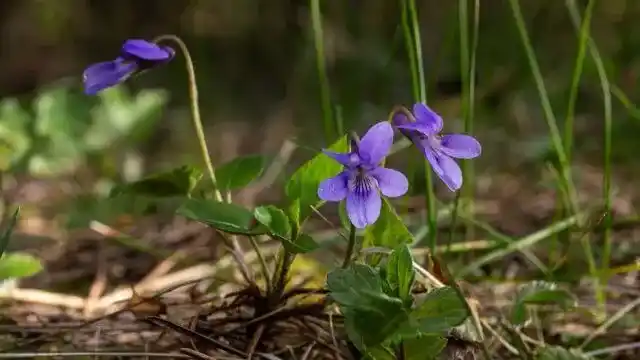
Sweet Violet Benefits and Traditional Uses

Sweet violet has traditionally been used to support:

  • Gentle spring syrups and floral teas
  • Soothing preparations for the throat and chest
  • Cooling and moistening herbal blends
  • Infused oils and skin-soothing external remedies
  • Delicate floral preparations in folk herbalism
  • Mild teas and syrups used in household practice

Historically, sweet violet was treasured in both the herbal garden and the household stillroom. Its fragrance made it popular in syrups and confections, while its leaves and flowers were valued in gentle remedies intended for sensitive constitutions and tender tissues.

“Sweet violet has long been cherished as a gentle spring herb, valued for its fragrance, syrups, and delicate household preparations.”

— Traditional European herbal practice

Sweet Violet Preparation Methods

Sweet violet can be prepared in several traditional ways:


Syrup

The fresh flowers and leaves may be infused and combined with sweetener to prepare a traditional floral syrup.

Part of the plant used: Leaves and flowers

Tea or Hot Infusion

Fresh or dried violet leaves and flowers may be steeped in hot water to make a mild herbal tea.

Part of the plant used: Leaves and flowers

Infused Oil

The leaves and flowers may be infused in oil for use in traditional soothing external preparations.

Part of the plant used: Leaves and flowers

Compress

A cooled violet infusion may be used in cloth compresses for traditional external use.

Part of the plant used: Leaves and flowers


Growing Sweet Violet

Sweet violet is a low-growing perennial that spreads by runners and forms soft clumps of leaves with small fragrant spring flowers. It prefers cooler, sheltered conditions and is often grown as a groundcover or woodland-edge plant.

  • Prefers partial shade to full shade and moist, humus-rich, well-drained soil
  • Needs regular moisture, especially during active spring growth
  • Hardy in USDA growing zones 4-9 in many parts of the United States
  • Best suited to woodland gardens, shaded borders, and cooler temperate climates

Sweet violet can spread gently in favorable conditions and may naturalize in shaded garden areas. In hot dry climates it usually needs extra moisture and protection from strong afternoon sun.


Safety Considerations

Sweet violet has a long history of traditional use and is generally considered a gentle herb, but care is still appropriate with any concentrated preparation.

However:

  • Some individuals may experience mild digestive discomfort if sweet violet is used in large internal amounts.
  • Topical use may occasionally irritate very sensitive skin, so patch testing can be helpful.
  • Wild or garden-gathered violet should only be used when the plant has been correctly identified and has not been sprayed.
  • People with known sensitivity to violet species should use caution.
  • Pregnant or breastfeeding individuals should consult a qualified healthcare professional before frequent use of concentrated sweet violet preparations.
  • Only use true sweet violet and not ornamental species that have not been traditionally used as herbs.

This information is provided for educational purposes only and is not medical advice.

Image Disclaimer: Images are for reference only and should not be used as the sole method of identification. Always confirm identification with a qualified source.
Frequently Asked Questions
What is sweet violet traditionally used for?

Sweet violet is traditionally used in syrups, teas, and soothing external preparations. It is especially associated with gentle spring remedies and mild floral household herbalism.

What part of sweet violet is used?

The leaves and flowers are the parts most commonly used. They may be prepared fresh or dried depending on the remedy.

How is sweet violet prepared?

Sweet violet is often prepared as syrup, tea, infused oil, or a cooled infusion for compresses. The flowers are also valued for their fragrance in traditional household preparations.

Can sweet violet grow in the United States?

Yes. Sweet violet grows well in many temperate US gardens, especially in USDA zones 4-9. It prefers shade, moisture, and cool conditions rather than hot dry sun.

Is sweet violet the same as all violets?

No. Sweet violet usually refers to Viola odorata, a fragrant traditional herb. Not every ornamental violet is used in the same way, so correct identification is important.

Are there safety concerns with sweet violet?

Sweet violet is generally considered gentle, but large amounts may cause mild digestive upset in some people. It should also be gathered only from correctly identified, unsprayed plants.

Sweet Violet Benefits and Medicinal Uses

Help Us Improve the Sweet Violet Page

Do you grow, photograph, study, or work with this plant?

If you have an accurate photo, growing experience, traditional use note, identification detail, correction, or useful source to share, we would love to hear from you.

Your contribution may help improve the accuracy, usefulness, and educational value of this page for other readers.


Share a photo, correction, or plant note →

Botanical Overview

  • Botanical name: Viola odorata
  • Family: Violaceae
  • Plant type: Flowering perennial
  • Native region: Europe and western Asia
  • Common names: Sweet violet, wood violet, English violet, garden violet