

Turkey Tail Benefits & Uses (Trametes versicolor)

Turkey tail (Trametes versicolor) is a bracket fungus in the Polyporaceae family found across North America, Europe, and Asia. It grows in fan-shaped tiers on dead or decaying wood and shows concentric bands of brown, tan, gray, and cream. The fruiting body is the part used in traditional preparations.

Because turkey tail is tough and leathery, it is usually prepared as a decoction, powder, or extract rather than eaten as a table mushroom. It has a long history in East Asian mushroom traditions and is also widely used in modern wellness products.

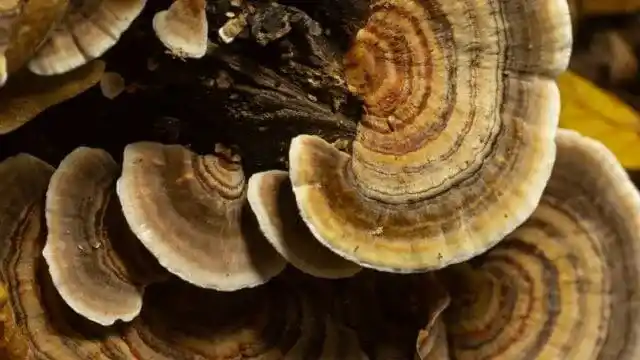
Turkey Tail Benefits and Traditional Uses

Turkey tail has traditionally been used to support:

  • Traditional mushroom decoctions and tonics
  • Older East Asian herbal and food-style formulas
  • Powdered mushroom blends
  • Modern wellness and functional mushroom products
  • Long-simmered broth and extract preparations

Turkey tail is one of the most recognizable medicinal mushrooms because of its striped appearance and long traditional use. It bridges older mushroom traditions and contemporary interest in fungi-based wellness products.

“Turkey tail has become one of the most recognizable medicinal mushrooms, linking old decoction traditions with modern interest in fungi.”

— Traditional and contemporary mushroom reference

Turkey Tail Preparation Methods

Turkey tail can be prepared in several traditional ways:


Decoction

Dried turkey tail is commonly simmered for an extended time to prepare a mushroom decoction or broth.

Part of the plant used: Fruiting body

Powder

The dried fruiting body may be ground into powder for capsules or blended products.

Part of the plant used: Fruiting body

Extract

Modern products often use concentrated liquid or powdered extracts.

Part of the plant used: Fruiting body

Broth Blend

Turkey tail is also combined with other mushrooms and herbs in longer-cooked broth-style recipes.

Part of the plant used: Fruiting body


Growing Turkey Tail

Turkey tail is a wood-decaying bracket fungus rather than a garden herb, so it grows on logs and woody substrates instead of in ordinary soil. It is commonly found in wooded areas, fallen branches, and decaying stumps.

  • Grows on dead hardwood and other woody material
  • Prefers humid outdoor conditions with shade or filtered light
  • Occurs naturally across much of the United States
  • Can be cultivated on inoculated logs or specialty mushroom substrate
  • Not grown in standard herb beds or vegetable plots

Because many lookalike bracket fungi exist, wild harvesting requires confident identification. Most people use cultivated or commercially prepared turkey tail products instead of gathering it themselves.


Safety Considerations

Turkey tail has a long history of use as a mushroom preparation, however correct identification and product quality remain important.

However:

  • Only correctly identified turkey tail should be used, as other bracket fungi may look similar.
  • Some individuals may experience mild digestive discomfort when using concentrated mushroom products.
  • People with mushroom allergies or sensitivities should use caution.
  • Individuals taking medications or using immune-focused supplements should seek professional guidance before using concentrated extracts.
  • Pregnant or breastfeeding individuals should consult a qualified healthcare professional before using mushroom supplements.
  • Wild-harvested material should never be used unless identification is certain.

This information is provided for educational purposes only and is not medical advice.

Image Disclaimer: Images are for reference only and should not be used as the sole method of identification. Always confirm identification with a qualified source.
Frequently Asked Questions
What is turkey tail traditionally used for?

Turkey tail is traditionally used in decoctions, broths, and mushroom formulas, especially in East Asian practice. It is now also widely included in modern mushroom wellness products.

Is turkey tail a mushroom?

Turkey tail is a bracket fungus rather than a typical fleshy cap mushroom. It forms thin, fan-shaped layers on wood.

How is turkey tail prepared?

Turkey tail is usually simmered as a decoction, powdered, or used as a concentrated extract because the fruiting body is too tough to use like an ordinary edible mushroom.

Can turkey tail be found in the United States?

Yes. Turkey tail grows naturally across much of the United States on dead wood in wooded or damp environments.

Can turkey tail be grown at home?

It can be grown on inoculated logs or specialty mushroom substrate, but it is not grown like a normal garden herb.

Why is identification important with turkey tail?

Identification matters because several bracket fungi can look similar. Only correctly identified turkey tail should be used.

Turkey Tail Health Benefits and Traditional Uses

Help Us Improve the Turkey Tail Page

Do you grow, photograph, study, or work with this plant?

If you have an accurate photo, growing experience, traditional use note, identification detail, correction, or useful source to share, we would love to hear from you.

Your contribution may help improve the accuracy, usefulness, and educational value of this page for other readers.


Share a photo, correction, or plant note →

Botanical Overview

  • Botanical name: Trametes versicolor
  • Family: Polyporaceae
  • Plant type: Bracket fungus
  • Native region: Widespread across North America, Europe, and Asia
  • Common names: Turkey tail mushroom, multicolor trametes