

Milk Thistle Benefits & Uses (Silybum marianum)

Milk thistle is a striking flowering herb known for its glossy green leaves marked with white veins and its bold purple flower heads. Native to the Mediterranean region, the plant has spread widely and is now found in many temperate climates around the world.

For centuries milk thistle has been referenced in traditional European herbal practices where its seeds were commonly prepared in powders, tinctures, and botanical tonics. Today it remains one of the most widely recognized herbs in traditional botanical literature and continues to be valued in herbal traditions.

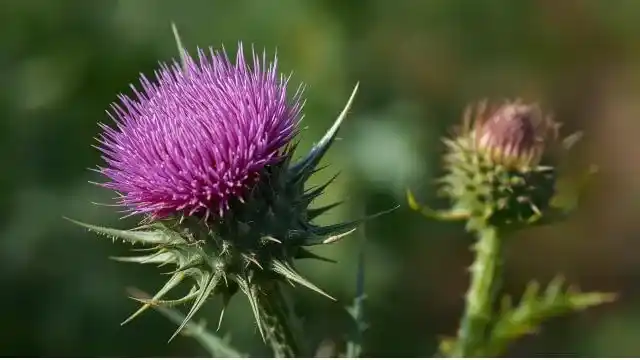
Milk Thistle Benefits and Traditional Uses

Milk thistle has traditionally been used to support:

  • Traditional herbal tonics
  • Digestive comfort
  • General botanical wellness practices
  • Traditional European herbal blends
  • Seasonal herbal preparations

Milk thistle has long been referenced in European herbal traditions where its distinctive seeds were commonly prepared in powders, tinctures, and botanical tonics. Because of its striking appearance and long history of use, it remains one of the most widely recognized herbs in traditional herbal literature.

“Milk thistle has long been recognized in traditional European herbal texts and remains one of the most widely referenced herbs in botanical literature.”
— Traditional herbal reference

Milk thistle has long been recognized in traditional European herbal texts and remains one of the most widely referenced herbs in botanical literature.

Traditional herbal reference

Milk Thistle Preparation Methods

Milk thistle can be prepared in several traditional ways:


Powder

Dried milk thistle seeds may be ground into a fine powder and traditionally added to herbal blends or botanical preparations.

Part of the plant used: Seeds

Tincture

Milk thistle seeds may be prepared as an alcohol extract to create a concentrated traditional herbal preparation.

Part of the plant used: Seeds

Herbal Tea Blend

Crushed seeds are sometimes included in traditional herbal tea blends together with other botanical ingredients.

Part of the plant used: Seeds

Capsules

Ground seed powder may also be encapsulated for convenient use in modern herbal supplement preparations.

Part of the plant used: Seeds


Growing Milk Thistle

Milk thistle is a hardy biennial herb known for its dramatic spiny leaves and large purple flower heads. The plant grows vigorously in sunny locations and is often found in dry, open ground where it can establish itself easily.

  • Prefers full sun
  • Grows best in well-drained soil
  • Tolerates dry conditions once established
  • Suitable for USDA hardiness zones 7–11 in the United States
  • Commonly found growing in temperate regions of the United States

Milk thistle readily self-seeds in favorable conditions and can spread easily in garden beds if not managed carefully.


Safety Considerations

Milk Thistle has a long history of traditional use, however care should always be taken when using herbal plants.

However:

  • Milk thistle may cause digestive discomfort, loose stools, or nausea in some individuals.
  • Because milk thistle belongs to the Asteraceae family, individuals sensitive to ragweed, daisies, or related plants should use caution.
  • Milk thistle may interact with some medications that are processed through the liver.
  • Quality and preparation strength can vary widely between products, so concentrated use should be approached carefully.
  • Pregnant or breastfeeding individuals should consult a qualified healthcare professional before using milk thistle supplements.
  • Always consult a qualified healthcare professional before using milk thistle alongside prescription medications.

This information is provided for educational purposes only and is not medical advice.

Image Disclaimer: Images are for reference only and should not be used as the sole method of identification. Always confirm identification with a qualified source.
Frequently Asked Questions
Traditional Uses of Milk Thistle?

Milk thistle has long been used in traditional herbal preparations associated with liver support and general wellness. The plant’s seeds have been used in herbal tonics and extracts for centuries in European herbal traditions.

What part of the milk thistle plant is used in herbal preparations?

The seeds of the milk thistle plant are the part most commonly used in herbal preparations. These seeds are typically dried and used to prepare herbal extracts, tinctures, or powdered herbal supplements.

Is milk thistle used for liver support?

Milk thistle has traditionally been used in herbal preparations associated with liver health. The seeds contain naturally occurring compounds that have been widely studied and are commonly included in herbal supplements intended to support normal liver function.

How is milk thistle commonly prepared?

Milk thistle seeds are commonly prepared as herbal extracts, tinctures, or powdered supplements. In traditional herbal practice the crushed seeds may also be steeped to prepare herbal infusions.

What herbs are commonly used with milk thistle?

Milk thistle is often combined with herbs such as dandelion root, burdock root, and turmeric in traditional herbal blends associated with digestive and liver support.

Can milk thistle be grown in the United States?

Milk thistle grows in many regions of the United States and can be cultivated in gardens with full sun and well-drained soil. The plant grows well in USDA hardiness zones 6–9 and is sometimes found growing wild in open fields and disturbed soils.

Milk Thistle Plant and Herb Benefits

Help Us Improve the Milk Thistle Page

Do you grow, photograph, study, or work with this plant?

If you have an accurate photo, growing experience, traditional use note, identification detail, correction, or useful source to share, we would love to hear from you.

Your contribution may help improve the accuracy, usefulness, and educational value of this page for other readers.


Share a photo, correction, or plant note →

Botanical Overview

  • Botanical name: Silybum marianum
  • Family: Asteraceae
  • Plant type: Flowering herb
  • Native region: Mediterranean region
  • Common names: Milk thistle, holy thistle, St. Mary's thistle