
Artichoke Benefits & Uses (Cynara scolymus)

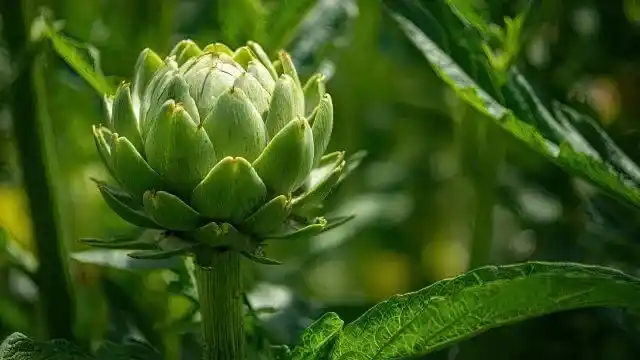
Artichoke (Cynara cardunculus var. scolymus) is a large, thistle-like perennial in the Asteraceae family native to the Mediterranean region. It forms bold silver-green leaves and produces the familiar rounded flower buds harvested before they open. The immature flower buds are eaten as a vegetable, while the leaves have a long history of use in bitter herbal preparations.

In traditional European herbal practice, artichoke leaf is commonly associated with bitter tonics and digestive support, especially after rich foods. The plant sits at the meeting point of kitchen and apothecary, since it has been appreciated both as a cultivated food plant and as a classic bitter herb in teas, tinctures, and extracts.

Artichoke Benefits and Traditional Uses

Artichoke has traditionally been used to support:

  • Bitter digestive support before or after meals
  • Traditional appetite-stimulating bitters
  • Herbal support for rich or heavy foods
  • Leaf extracts in European herbal practice
  • Nutritious culinary use of the unopened flower buds

Artichoke has long been cultivated around the Mediterranean as both a valued food and a bitter leaf herb. In traditional Western herbal practice, the leaf became especially associated with digestive formulas and bitter aperitif-style preparations.

The artichoke has long been esteemed both at the table and among the useful bitters of the garden.

Traditional European herbal reference

Artichoke Preparation Methods

Artichoke can be prepared in several traditional ways:


Tea

Dried artichoke leaves may be steeped in hot water to create a distinctly bitter herbal tea.

Part of the plant used: Leaves

Tincture

Artichoke leaf may be extracted in alcohol to make a concentrated bitter preparation used in small amounts.

Part of the plant used: Leaves

Liquid Extract

Standardized liquid extracts are often made from the leaves for convenient use in bitter herbal blends.

Part of the plant used: Leaves

Culinary Preparation

The unopened flower buds are steamed, roasted, or boiled and eaten as a traditional vegetable.

Part of the plant used: Immature flower buds


Growing Artichoke

Artichoke is a bold, architectural plant that grows best in mild climates with long seasons, fertile soil, and steady moisture.

  • Prefers full sun and rich, well-drained soil
  • Needs regular watering for strong bud production
  • Best suited to USDA zones 7–10, especially in coastal and Mediterranean-like parts of the United States
  • Often grown as an annual in colder northern gardens
  • Benefits from winter mulch where temperatures drop below freezing

In mild regions such as parts of California, artichoke may behave as a productive perennial. In colder areas it is usually treated as a single-season crop or given winter protection.


Safety Considerations

Artichoke is widely eaten as a food plant and has a long history of traditional use, but concentrated leaf preparations still call for sensible caution.

However:

  • Individuals sensitive to plants in the Asteraceae family may experience allergic reactions and should use caution.
  • Because artichoke is a bitter herb, concentrated preparations may occasionally cause digestive discomfort in sensitive individuals.
  • Those with gallbladder or bile duct concerns should seek professional guidance before using strong artichoke preparations.
  • Pregnant or breastfeeding individuals should consult a qualified healthcare professional before using concentrated herbal products.
  • Food use is generally different from strong extracts, which may not suit everyone in the same way.
  • Always consult a qualified professional before using herbs for health purposes.

This information is provided for educational purposes only and is not medical advice.

Image Disclaimer: Images are for reference only and should not be used as the sole method of identification. Always confirm identification with a qualified source.
Frequently Asked Questions
What is artichoke traditionally used for?

Artichoke is traditionally used as both a food plant and a bitter herb. The leaf is especially associated with digestive formulas, while the immature flower buds are widely eaten as a vegetable.

What part of the artichoke plant is used?

Two different parts are commonly used. The unopened flower buds are eaten as food, while the leaves are the part most often used in herbal teas, tinctures, and extracts.

Is artichoke a bitter herb?

Yes. Artichoke leaf is considered a classic bitter herb in Western herbal traditions. That bitterness is one reason it is often discussed in relation to digestion and appetite before or after meals.

Can artichoke grow in the United States?

Yes. Artichoke grows best in mild US climates, especially USDA zones 7–10. In colder areas it can still be grown as an annual crop if started early and given a long season.

Is artichoke only used as a vegetable?

No. Artichoke is widely known as a vegetable, but its leaves also have a traditional herbal role. That makes it one of the better-known plants used in both the kitchen and the herb cabinet.

Are there safety concerns with artichoke leaf?

Concentrated artichoke leaf products may not suit everyone. People with Asteraceae allergies or certain gallbladder concerns should use caution and consider professional guidance before using strong preparations.

Artichoke Health Benefits and how to Use

Help Us Improve the Artichoke Page

Do you grow, photograph, study, or work with this plant?

If you have an accurate photo, growing experience, traditional use note, identification detail, correction, or useful source to share, we would love to hear from you.

Your contribution may help improve the accuracy, usefulness, and educational value of this page for other readers.


Share a photo, correction, or plant note →

Botanical Overview

  • Botanical name: Cynara cardunculus var. scolymus
  • Family: Asteraceae
  • Plant type: Perennial thistle plant
  • Native region: Mediterranean region
  • Common names: Globe artichoke, French artichoke, green artichoke