

Andrographis Benefits & Uses (Andrographis paniculata)

Andrographis (Andrographis paniculata) is a bitter-tasting flowering herb in the Acanthaceae family native to India and tropical parts of South and Southeast Asia. It grows upright with slender green stems, narrow leaves, and small white flowers marked with purple. The leaves and aerial parts are the portions most commonly used in traditional herbal preparations.

In traditional Ayurvedic, Siddha, and other Asian herbal systems, andrographis is valued as a strongly bitter herb used in teas, powders, and liquid extracts. It is commonly discussed in relation to seasonal wellness, digestive bitterness, and classic cleansing formulas, and its intensely bitter taste is one of the features for which it is best known.

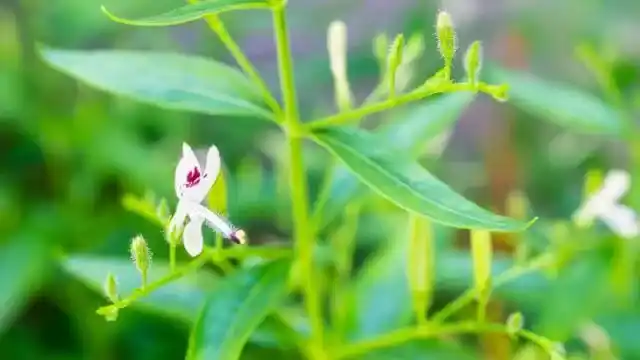
Andrographis Benefits and Traditional Uses

Andrographis has traditionally been used to support:

  • Seasonal herbal support during colder months
  • Traditional bitter digestive tonics
  • General cleansing and bitter formulas
  • Herbal teas and tinctures for short-term use
  • Ayurvedic and traditional Chinese herbal practice

Historically, andrographis became well known in South and Southeast Asian herbal traditions as a strongly bitter plant often included in formulas where bitter taste was considered important for balancing digestion and general resilience.

This herb is remarkable chiefly for its intense bitterness and its place among the classic bitters of Asian practice.

Traditional Ayurvedic herbal reference

Andrographis Preparation Methods

Andrographis can be prepared in several traditional ways:


Tea or Infusion

Dried andrographis aerial parts may be steeped in hot water to make a very bitter herbal tea. It is usually taken in small amounts because of its intense taste.

Part of the plant used: Leaves and aerial parts

Tincture

The fresh or dried herb may be extracted in alcohol to produce a concentrated liquid preparation commonly used in drop doses.

Part of the plant used: Leaves and aerial parts

Powder

The dried herb may be ground into powder and added to capsules or mixed into other bitter herbal blends.

Part of the plant used: Leaves and aerial parts

Decoction

Some traditions simmer the herb briefly to prepare a stronger bitter liquid preparation.

Part of the plant used: Leaves and aerial parts


Growing Andrographis

Andrographis is a heat-loving herb that grows quickly in warm, humid conditions and is usually cultivated as an annual outside the tropics.

  • Prefers full sun and warm summer temperatures
  • Grows best in fertile, well-drained soil with regular moisture
  • Suitable for USDA zones 10–12 outdoors and grown as a summer annual in cooler regions
  • Can be started indoors in spring where the growing season is short
  • Performs best in frost-free or very long warm-season climates in the southern United States

Because andrographis is frost tender, most US gardeners treat it as a specialty warm-season herb. It is best harvested before flowering when leafy growth is still tender and abundant.


Safety Considerations

Andrographis has a long history of traditional use, but it is a very bitter herb and concentrated preparations should be approached with care.

However:

  • Its strong bitterness may cause nausea, digestive discomfort, or reduced appetite in some individuals.
  • Individuals with known sensitivity to bitter herbs should begin cautiously with small amounts.
  • Pregnant or breastfeeding individuals should consult a qualified healthcare professional before using herbal preparations.
  • Andrographis may interact with medications that affect immune activity, blood pressure, or blood clotting.
  • Long-term or high-dose use should be approached carefully unless guided by a qualified practitioner.
  • Always consult a qualified professional before using herbs for health purposes.

This information is provided for educational purposes only and is not medical advice.

Image Disclaimer: Images are for reference only and should not be used as the sole method of identification. Always confirm identification with a qualified source.
Frequently Asked Questions
What is andrographis traditionally used for?

Andrographis is traditionally used as a bitter herb in Asian herbal systems. It is commonly discussed in relation to seasonal wellness, bitter digestive formulas, and short-term herbal preparations made from the leaves and aerial parts.

What part of andrographis is used in herbal preparations?

The leaves and above-ground parts are the portions most often used. They are usually dried and prepared as tea, powder, capsules, or tincture rather than being used as a culinary herb.

Why is andrographis called king of bitters?

Andrographis is often called king of bitters because the herb has an extremely strong bitter taste. That bitterness is one of the reasons it has long been used in traditional herbal systems as a classic bitter plant.

How is andrographis usually prepared?

Andrographis is commonly prepared as a tea, tincture, powder, or capsule. Because the flavor is so intensely bitter, many people prefer tinctures or encapsulated powder instead of a plain infusion.

Can andrographis grow in the United States?

Yes, but it grows best in warm climates. In the United States it is most suitable outdoors in USDA zones 10–12, while gardeners in cooler areas usually grow it as a summer annual or in containers.

Are there safety concerns with andrographis?

Yes. Its strong bitterness may upset the stomach in some individuals, and concentrated preparations may not suit everyone. It is also sensible to use caution with pregnancy and with medications that affect immunity, blood pressure, or blood clotting.

Andographis Benefits and How to Use

Help Us Improve the Andrographis Page

Do you grow, photograph, study, or work with this plant?

If you have an accurate photo, growing experience, traditional use note, identification detail, correction, or useful source to share, we would love to hear from you.

Your contribution may help improve the accuracy, usefulness, and educational value of this page for other readers.


Share a photo, correction, or plant note →

Botanical Overview

  • Botanical name: Andrographis paniculata
  • Family: Acanthaceae
  • Plant type: Annual herb
  • Native region: India and tropical South to Southeast Asia
  • Common names: Kalmegh, king of bitters, green chiretta