

Irish Moss Benefits & Uses (Chondrus crispus)

Irish moss is a red marine algae known botanically as Chondrus crispus, a member of the Gigartinaceae family found along the rocky coasts of Europe and North America. It forms flat, branching fronds, and the whole seaweed, or thallus, is the part traditionally collected and used.

In traditional practice, Irish moss has been simmered into gels, drinks, and broths and valued for its soothing, mucilaginous texture. It has also long been used as a household thickener in food and herbal preparations.

Irish moss is sometimes confused with other sea moss products sold commercially, but the classic North Atlantic herb is Chondrus crispus.

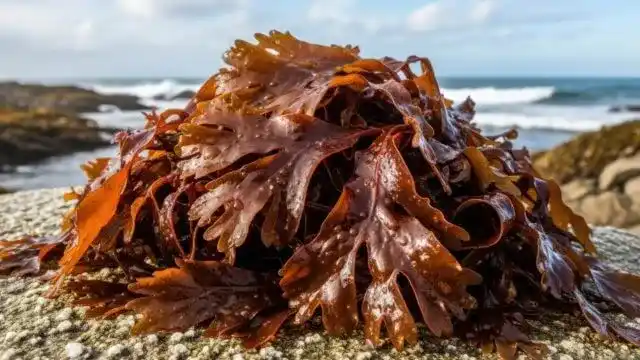
Irish Moss Benefits and Traditional Uses

Irish moss has traditionally been used to support:

  • Soothing household drinks and broths
  • Mucilaginous herbal and food preparations
  • Traditional convalescent foods
  • Mineral-rich sea vegetable use
  • Natural thickening in jellies and puddings

Historically, Irish moss was gathered from Atlantic shorelines and valued in both food and herbal traditions for the gel it forms when simmered.

“Irish moss has long been prized on Atlantic coasts for the soothing jelly it yields when boiled.”

“Irish moss has served coastal households for generations as both a simple thickener and a soothing sea herb.”

— Traditional Atlantic coastal herbal reference

Irish Moss Preparation Methods

Irish Moss can be prepared in several traditional ways:


Decoction or Simmered Gel

The dried seaweed may be simmered in water until it softens and releases its natural thickening compounds.

Part of the plant used: Whole thallus

Broth or Drink

Irish moss may be simmered into traditional broths or soothing drinks and then strained.

Part of the plant used: Whole thallus

Food Thickener

Prepared Irish moss gel has long been used to thicken puddings, jellies, and other household recipes.

Part of the plant used: Whole thallus


Growing Irish Moss

Irish moss is a marine red algae rather than a garden herb, growing attached to rocky shorelines in cold Atlantic waters.

  • Grows in cool coastal waters rather than garden soil
  • Attaches to rocks in intertidal and shallow subtidal zones
  • Found along North Atlantic coastlines, including northeastern parts of North America
  • Not typically cultivated in home herb gardens in the United States

Because Irish moss is a seaweed, it is usually harvested from coastal environments rather than grown in standard garden beds. It should be sourced from clean waters because marine plants can accumulate contaminants depending on location.


Safety Considerations

Irish moss has a long history of traditional use, however marine products should be sourced carefully and used thoughtfully.

However:

  • Irish moss may contain naturally occurring iodine, so very large or frequent amounts may not be suitable for everyone.
  • Marine plants can accumulate contaminants depending on where they are harvested, so careful sourcing is important.
  • Some individuals may experience digestive discomfort when using large amounts of concentrated seaweed gel.
  • Those with thyroid concerns should consult a qualified healthcare professional before using Irish moss regularly.
  • Pregnant or breastfeeding individuals should consult a qualified healthcare professional before using concentrated preparations.
  • Always consult a qualified professional before using herbs for health purposes.

This information is provided for educational purposes only and is not medical advice.

Image Disclaimer: Images are for reference only and should not be used as the sole method of identification. Always confirm identification with a qualified source.
Frequently Asked Questions
What is Irish moss traditionally used for?

Irish moss has traditionally been used in soothing drinks, broths, gels, and household foods. It is especially valued for the thick, mucilaginous texture it develops when simmered.

What part of Irish moss is used?

The whole seaweed, or thallus, is the part used. It is typically dried and then simmered to release its natural gelling compounds.

How is Irish moss prepared?

Irish moss is often soaked, rinsed, and then simmered in water to make a gel, broth, or drink. The softened seaweed may also be used as a natural thickener in recipes.

Can Irish moss grow in the United States?

Irish moss occurs naturally along cool Atlantic coastlines in North America. It is not usually grown like a regular garden herb in inland parts of the United States.

Is Irish moss the same as sea moss?

Irish moss is often called sea moss, but the traditional North Atlantic plant is Chondrus crispus. Some products sold as sea moss may come from different marine species.

Are there safety concerns with Irish moss?

Irish moss should be sourced carefully because marine plants may concentrate iodine and environmental contaminants. Large amounts may also cause digestive discomfort in some individuals.

Irish Moss Benefits and Uses

Help Us Improve the Irish Moss Page

Do you grow, photograph, study, or work with this plant?

If you have an accurate photo, growing experience, traditional use note, identification detail, correction, or useful source to share, we would love to hear from you.

Your contribution may help improve the accuracy, usefulness, and educational value of this page for other readers.


Share a photo, correction, or plant note →

Botanical Overview

  • Botanical name: Chondrus crispus
  • Family: Gigartinaceae
  • Plant type: Marine algae
  • Native region: North Atlantic coasts of Europe and North America
  • Common names: Irish moss, carrageen moss, carragheen