

Iceland Moss Benefits & Uses (Cetraria islandica)

Iceland moss, botanically known as Cetraria islandica, is not a true moss but a lichen traditionally gathered from cold northern landscapes. It belongs to the Parmeliaceae family and forms branching, leaf-like growths on the ground and rocks, with the whole dried lichen used in herbal preparations.

In traditional European herbal practice, Iceland moss has been valued as a soothing herb for the throat, chest, and digestive tract. It is commonly prepared as a decoction, tea, syrup base, or lozenge-style preparation.

Because of its mucilage content and mild bitterness, Iceland moss has long been appreciated as both a soothing and gently toning herbal ingredient.

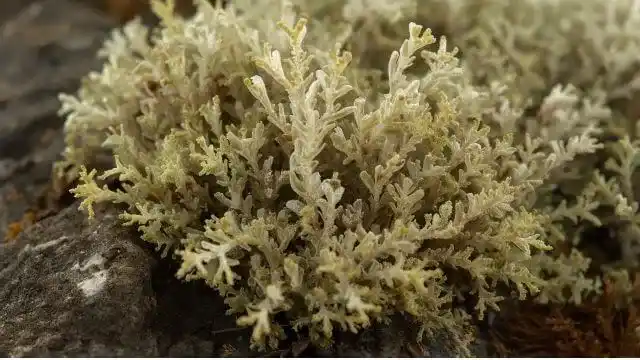
Iceland Moss Benefits and Traditional Uses

Iceland Moss has traditionally been used to support:

  • Soothing throat and mouth preparations
  • Traditional chest and respiratory support
  • Demulcent digestive support
  • Herbal syrups and lozenge-style preparations
  • Nourishing herbal decoctions in older European practice

Historically, Iceland moss was valued in northern European herbal traditions and was often included in preparations intended to soothe irritated tissues.

“Iceland moss has long been valued for its soothing and nutritive character in northern herbal practice.”

“Iceland moss has long been valued for its soothing and nutritive character in northern herbal practice.”

— Traditional European herbal reference

Iceland Moss Preparation Methods

Iceland Moss can be prepared in several traditional ways:


Decoction

Dried Iceland moss is commonly simmered gently in water to make a traditional decoction.

Part of the plant used: Whole lichen thallus

Tea

A lighter infusion may be prepared for traditional soothing use.

Part of the plant used: Whole lichen thallus

Syrup Base

Iceland moss decoction has traditionally been included in syrup-style preparations for the throat.

Part of the plant used: Whole lichen thallus

Lozenge Preparation

The lichen may be incorporated into soothing lozenge-style herbal products.

Part of the plant used: Whole lichen thallus


Growing Iceland Moss

Iceland moss is a slow-growing lichen found in cold, clean environments rather than a typical garden herb. It grows across northern landscapes, tundra, and open heathland habitats.

  • Prefers cool climates, clean air, and undisturbed natural habitats
  • Grows on soil, rocks, and open ground in cold northern environments
  • Not typically cultivated as a common garden plant in the United States
  • Most likely to occur in colder northern or alpine conditions with low pollution and minimal disturbance

Because Iceland moss is a lichen rather than a true herbaceous plant, it is not usually grown in home herb gardens. Sustainable harvesting and habitat protection are important where it occurs naturally.


Safety Considerations

Iceland moss has a long history of traditional use and is generally regarded as a gentle herb, however some precautions still apply.

However:

  • Its natural bitter compounds may cause mild digestive discomfort in some individuals when taken in larger amounts.
  • Wild-harvested material should come from clean environments, as lichens may accumulate environmental contaminants.
  • Individuals with lichen sensitivities or digestive sensitivity should use caution.
  • Pregnant or breastfeeding individuals should consult a qualified healthcare professional before using herbal preparations regularly.
  • People taking prescription medications should seek professional guidance when adding concentrated herbal products.
  • Always consult a qualified healthcare professional before using herbs for health purposes.

This information is provided for educational purposes only and is not medical advice.

Image Disclaimer: Images are for reference only and should not be used as the sole method of identification. Always confirm identification with a qualified source.
Frequently Asked Questions
What is Iceland moss used for?

Iceland moss has traditionally been used for the throat, chest, and digestive tract. It is especially valued for its soothing and demulcent qualities in European herbal practice.

Is Iceland moss a true moss?

No. Iceland moss is actually a lichen, not a true moss. Its traditional herbal material is the dried lichen body.

How is Iceland moss prepared?

Iceland moss is commonly prepared as a decoction, tea, syrup base, or soothing lozenge-style preparation.

Can Iceland moss grow in the United States?

It is not commonly grown as a garden plant, but related lichens can occur in cold, clean northern or alpine environments in North America.

What part of Iceland moss is used?

The whole dried lichen thallus is used in herbal preparations.

Is Iceland moss considered gentle?

Iceland moss is often considered a relatively gentle herb, but some people may still experience digestive sensitivity and wild material should come from clean, well-identified sources.

Iceland Moss Old Mans Beard benefits

Help Us Improve the Iceland Moss Page

Do you grow, photograph, study, or work with this plant?

If you have an accurate photo, growing experience, traditional use note, identification detail, correction, or useful source to share, we would love to hear from you.

Your contribution may help improve the accuracy, usefulness, and educational value of this page for other readers.


Share a photo, correction, or plant note →

Botanical Overview

  • Botanical name: Cetraria islandica
  • Family: Parmeliaceae
  • Plant type: Lichen
  • Native region: Northern Europe, Iceland, and other cold northern regions
  • Common names: Iceland lichen, Iceland moss