

Gravel Root Uses & Safety (Eutrochium purpureum)

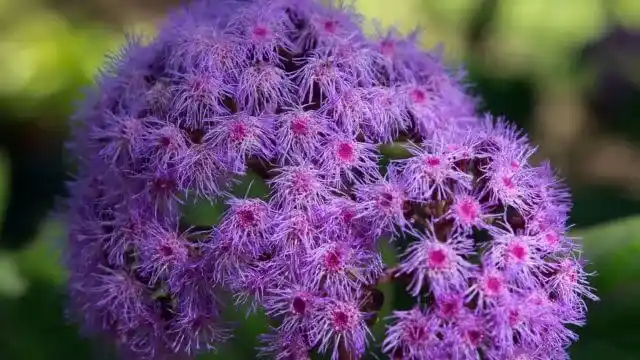
Gravel Root (Eutrochium purpureum) is a perennial meadow herb in the Asteraceae family native to Eastern and central North America. It is a tall clump-forming perennial with whorled leaves and mauve to purple flower clusters. The root and rhizome are the parts most often used in traditional preparations.

Gravel root has a long history in North American herbal traditions, especially in root formulas associated with the urinary system. The root and rhizome were prepared as decoctions and tinctures, and the herb remains well known in older American materia medica.

Because the plant is tall and striking in the garden, it is also valued as an ornamental wet-meadow herb in addition to its historical medicinal role.

Gravel Root Benefits and Traditional Uses

Gravel Root has traditionally been used to support:

  • Traditional urinary-support formulas
  • Older root decoctions and tinctures
  • Historic North American root medicine
  • Preparations associated with gravel and stone lore
  • Moist-meadow medicinal herb tradition

Historically, gravel root was closely associated with older urinary-system herb practice in North America. The name itself reflects its place in traditional root medicine and folk terminology.

“Gravel root stood high in old American root practice and was closely linked with the lore of the urinary passages.”

— Traditional American herbal reference

Gravel Root Preparation Methods

Gravel Root can be prepared in several traditional ways:


Decoction

The dried root and rhizome are traditionally simmered gently in water to make a decoction.

Part of the plant used: Root and rhizome

Tincture

Gravel root may also be prepared as a tincture for measured use in traditional formulas.

Part of the plant used: Root and rhizome

Powder

The dried root may be powdered for use in compounded herbal preparations.

Part of the plant used: Root and rhizome


Growing Gravel Root

Gravel root is a tall native perennial that prefers ample moisture and room to develop. It is especially useful in naturalistic plantings, rain gardens, and moist meadow borders.

  • Prefers full sun to partial shade
  • Grows best in moist, fertile soil
  • Needs regular water and appreciates damp conditions
  • Suitable for USDA zones 4–8 in many parts of the United States
  • Well suited to rain gardens, wet meadows, and native borders

This herb can grow quite tall and may need space or support in rich soil. It also attracts pollinators, making it useful in wildlife-friendly native plantings.


Safety Considerations

Gravel root has a long history of traditional use, however root herbs should still be used with care.

However:

  • Gravel root may cause digestive upset in some individuals, especially in larger amounts.
  • As a member of the daisy family, it may not suit people with sensitivities to Asteraceae plants.
  • Because it is traditionally associated with the urinary system, individuals with kidney or urinary conditions should use caution and seek guidance.
  • Concentrated preparations may interact with medications or care plans involving fluid balance.
  • Pregnant or breastfeeding individuals should consult a qualified healthcare professional before internal use.
  • Always consult a qualified professional before using herbs for health purposes.

This information is provided for educational purposes only and is not medical advice.

Image Disclaimer: Images are for reference only and should not be used as the sole method of identification. Always confirm identification with a qualified source.
Frequently Asked Questions
What is gravel root traditionally used for?

Gravel root is traditionally associated with older North American formulas focused on the urinary system and root-based decoctions.

What part of gravel root is used?

The root and rhizome are the parts used. They are commonly prepared as decoction, tincture, or powder.

Why is it called gravel root?

The name comes from older herbal terminology that linked the herb with “gravel” or stone-related urinary complaints in traditional practice.

Can gravel root grow in the United States?

Yes. Gravel root is native to eastern and central North America and grows well in moist sunny or partly shaded gardens.

Is gravel root a tall plant?

Yes. Gravel root is usually a tall meadow perennial and often needs more space than smaller kitchen herbs.

Are there safety concerns with gravel root?

Yes. Root preparations may cause digestive upset in some people, and those with urinary or medication concerns should use extra caution.

Gravel Root Benefits and How to Use

Help Us Improve the Gravel Root Page

Do you grow, photograph, study, or work with this plant?

If you have an accurate photo, growing experience, traditional use note, identification detail, correction, or useful source to share, we would love to hear from you.

Your contribution may help improve the accuracy, usefulness, and educational value of this page for other readers.


Share a photo, correction, or plant note →

Botanical Overview

  • Botanical name: Eutrochium purpureum
  • Family: Asteraceae
  • Plant type: Root herb
  • Native region: Eastern and central North America
  • Common names: Joe-Pye weed, purple boneset, queen of the meadow