

Desert Sage Benefits & Uses (Artemisia tridentata)

Desert Sage (Salvia dorrii) is a perennial subshrub in the Lamiaceae family native to Western North America. It is a silver-gray aromatic sage with woody stems and violet to purple flowers adapted to arid conditions. The leaves and flowering tops are the parts most often used in traditional preparations.

Desert sage has long been valued more as a regional aromatic plant than as a mainstream kitchen herb. In western plant traditions it has been used in fragrant teas, smudging-type household use, and local herbal preparations centered on its dryland aromatic character.

Because several western sages share overlapping common names, botanical identification is important when discussing traditional use.

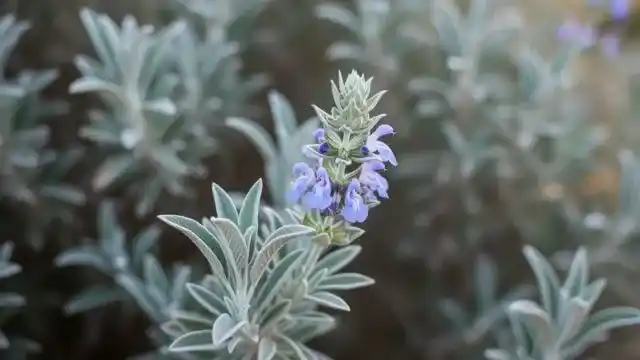
Desert Sage Benefits and Traditional Uses

Desert Sage has traditionally been used to support:

  • Regional aromatic teas
  • Traditional household smoke and fragrance use
  • Simple desert herb infusions
  • Dryland plant traditions
  • Fragrant external herbal preparations

Historically, desert sages were important aromatic plants in western landscapes and regional traditions. They are often discussed in the context of fragrance, cleansing use, and strongly scented dryland herb practice.

“Desert sage carries the fragrance of the dry West and has long been valued where aromatic plants must endure heat, wind, and poor soil.”

— Traditional western plant reference

Desert Sage Preparation Methods

Desert Sage can be prepared in several traditional ways:


Tea

The leaves may be steeped lightly in hot water for a fragrant traditional herbal tea.

Part of the plant used: Leaves

Smoke or Incense Use

Dried stems and leaves have traditionally been used in fragrant household practices.

Part of the plant used: Leaves and stems

Infused Oil

The aromatic aerial parts may be infused into oil for external herbal preparations.

Part of the plant used: Leaves and flowering tops


Growing Desert Sage

Desert sage is a dryland subshrub adapted to open sun, mineral soils, and low summer water. It is excellent for xeriscapes and native gardens in the western United States.

  • Prefers full sun
  • Grows best in sharply drained sandy, rocky, or gravelly soil
  • Needs low to moderate water once established
  • Suitable for USDA zones 5–9 in dry western parts of the United States
  • Ideal for xeriscapes, native dry gardens, and desert-style plantings

Desert sage performs poorly in heavy, wet, or humid conditions. Overwatering is one of the most common reasons it fails outside its preferred dry-climate setting.


Safety Considerations

Desert sage has a long history of traditional use, however aromatic sage species should still be used with care.

However:

  • Desert sage may be too strong or bitter for some individuals when taken in larger amounts.
  • Concentrated aromatic preparations may irritate the stomach or sensitive skin.
  • Correct identification is important because different western sage species have different traditional uses and safety profiles.
  • Individuals with known sensitivities to mint-family plants should use caution.
  • Pregnant or breastfeeding individuals should consult a qualified healthcare professional before medicinal use.
  • Always consult a qualified professional before using herbs for health purposes.

This information is provided for educational purposes only and is not medical advice.

Image Disclaimer: Images are for reference only and should not be used as the sole method of identification. Always confirm identification with a qualified source.
Frequently Asked Questions
What is desert sage traditionally used for?

Desert sage is traditionally associated with fragrant household use, light herbal infusions, and regional dryland plant traditions.

What part of desert sage is used?

The leaves and flowering tops are the parts most often used because they carry the plant’s aromatic qualities.

Is desert sage the same as white sage?

No. Desert sage is not the same plant as white sage, and several western sages share similar common names. Correct identification matters.

Can desert sage grow in the United States?

Yes. Desert sage grows well in dry sunny western regions and is especially suitable for xeriscapes and drought-tolerant gardens.

Does desert sage need a lot of water?

No. Once established, desert sage generally prefers low water and sharp drainage rather than rich, damp conditions.

Are there safety concerns with desert sage?

Yes. Aromatic sage species may be too strong for some people in concentrated use, and different western sages should not be treated as interchangeable.

Desert Sage Benefits and How to Use for Health

Help Us Improve the Desert Sage Page

Do you grow, photograph, study, or work with this plant?

If you have an accurate photo, growing experience, traditional use note, identification detail, correction, or useful source to share, we would love to hear from you.

Your contribution may help improve the accuracy, usefulness, and educational value of this page for other readers.


Share a photo, correction, or plant note →

Botanical Overview

  • Botanical name: Salvia dorrii
  • Family: Lamiaceae
  • Plant type: Desert herb
  • Native region: Western North America
  • Common names: Purple sage, western desert sage