

Cumin Uses & How to Use It (Cuminum cyminum)

Cumin (Cuminum cyminum) is a annual aromatic herb in the Apiaceae family that is native to Eastern Mediterranean, North Africa, and Southwest Asia. It is traditionally valued for seeds and is known for an aromatic annual herb cultivated for its warm, earthy seeds.

Traditionally, cumin seeds have been used in food, spice mixes, infusions, and warming digestive preparations. The seeds are especially associated with culinary traditions across the Middle East, India, North Africa, and Latin America.

Cumin has a distinctive earthy aroma and is one of the most widely used spice seeds in the world. It is often dry-roasted or lightly crushed before use to deepen its fragrance.

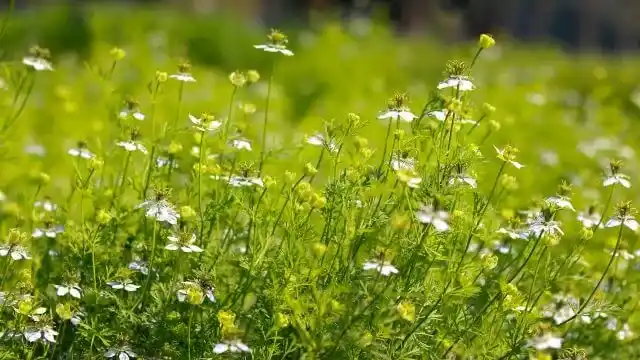
Cumin Benefits and Traditional Uses

Cumin has traditionally been used to support:

  • Digestive teas
  • Warming culinary blends
  • Traditional seed infusions
  • After-meal spice use
  • Kitchen herbal preparations

Historically, cumin has been one of the great seed spices of the ancient world and appears in long-standing culinary and trade traditions. It remains a foundational ingredient in many regional cuisines.

“Cumin is both a spice and a household herb, valued for its warming aroma and long culinary history.”

— Traditional culinary herbal reference

Cumin Preparation Methods

Cumin can be prepared in several traditional ways:


Tea

Lightly crushed cumin seeds may be steeped in hot water as a traditional aromatic tea.

Part of the plant used: Seeds

Dry Roasted Seed

The seeds may be dry roasted before use to deepen their flavor and aroma.

Part of the plant used: Seeds

Powder

Ground cumin is widely used in culinary spice blends and traditional food-based preparations.

Part of the plant used: Seeds

Infusion

Whole or bruised seeds may be infused in hot water for simple household use.

Part of the plant used: Seeds


Growing Cumin

Cumin is a warm-season annual herb that needs sun, heat, and a relatively dry finish to the season for good seed production. It performs best in areas with hot summers.

  • Prefers full sun and heat
  • Grows best in loose, well-drained soil
  • Needs moderate water early, then a drier finish for seed ripening
  • Usually grown as a summer annual in warmer parts of USDA zones 5–10

Cumin needs a fairly long, warm season to produce mature seed, so it can be difficult in cool northern summers. Good drainage is important to prevent root problems.


Safety Considerations

This herb has a long history of culinary and traditional use, however concentrated preparations may occasionally cause irritation in sensitive individuals.

However:

  • Culinary use is generally well tolerated, but concentrated preparations may occasionally irritate sensitive digestion.
  • Individuals with allergies to plants in the Apiaceae family should use caution.
  • Cumin essential oil is far more concentrated than the seeds and may irritate the skin or digestive tract if misused.
  • Large quantities of spice extracts may not be appropriate during pregnancy without professional guidance.
  • Commercial spice products can vary in freshness and purity.
  • Always consult a qualified professional before using concentrated herbal products for health purposes.

This information is provided for educational purposes only and is not medical advice.

Image Disclaimer: Images are for reference only and should not be used as the sole method of identification. Always confirm identification with a qualified source.
Frequently Asked Questions
What is cumin traditionally used for?

Cumin is traditionally used in culinary spice blends, warming teas, and household digestive preparations. It is valued both as a food spice and as a simple aromatic herb.

What part of cumin is used?

The seeds are the main part used. They may be used whole, lightly crushed, roasted, or ground into powder.

Can cumin be used in tea?

Yes. Lightly crushed cumin seeds can be steeped in hot water to make a simple aromatic tea. They are also blended with other seeds in traditional household use.

Is cumin easy to grow in the United States?

Cumin can be grown in the United States where summers are warm and sunny. It does best in areas with a long enough season for the seeds to ripen fully.

Is cumin a herb or a spice?

Cumin is both an herb plant and a spice crop. The dried seeds are the part most commonly used in cooking and traditional preparations.

Does cumin have side effects?

Culinary use is generally well tolerated, but concentrated preparations or essential oil products may irritate sensitive individuals.

Cumin Benefits and Traditional Uses

Help Us Improve the Cumin Page

Do you grow, photograph, study, or work with this plant?

If you have an accurate photo, growing experience, traditional use note, identification detail, correction, or useful source to share, we would love to hear from you.

Your contribution may help improve the accuracy, usefulness, and educational value of this page for other readers.


Share a photo, correction, or plant note →

Botanical Overview

  • Botanical name: Cuminum cyminum
  • Family: Apiaceae
  • Plant type: Annual herb
  • Native region: Eastern Mediterranean, North Africa, and Southwest Asia
  • Common names: Jeera, cumin seed