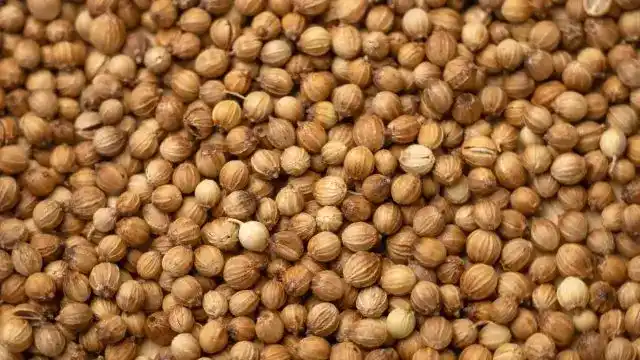

Coriander (Coriandrum sativum) is a versatile plant used as both a culinary herb and a traditional medicinal plant. The fresh leaves, commonly known as cilantro in the United States, and the dried seeds are used in different ways, while coriander oil is produced from the seeds. This guide explores coriander benefits, uses, preparation methods, and safety considerations.
Coriander is an aromatic annual herb in the Apiaceae family, native to the Mediterranean region and western Asia. It produces finely divided leaves, delicate white to pale pink flowers, and rounded seeds with a warm, citrus-like scent. Both the leaves and seeds have been traditionally used, making it one of the more versatile herbs in both the kitchen and herbal practice.
In traditional food and herbal use, coriander has long been valued as both a culinary spice and a gentle aromatic herb. The seeds are commonly prepared in teas, spice blends, and digestive formulas, while the leaves are widely used in fresh dishes. In the United States, the leaves are referred to as cilantro, while the seeds are known as coriander.