

Basil Uses & How to Use It (Ocimum basilicum)

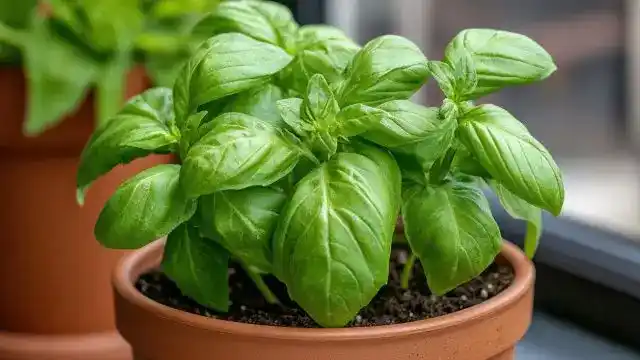
Basil (Ocimum basilicum) is a member of the Lamiaceae family and is commonly described as a tender annual aromatic herb. Native to Tropical Asia and Africa, it is known for soft green leaves, a sweet-spicy fragrance, and tender flowering tops. The part most often used in traditional preparations is the leaves and flowering tops.

Basil has been used in culinary and folk herbal traditions as a warming, aromatic herb. It is commonly prepared in teas, vinegars, infused oils, and fresh plant preparations, and is especially associated with digestive and household uses.

Basil History and Traditional Use

Basil is best known today as a kitchen herb, but its story reaches much further than cooking. Plants in the Ocimum genus have a long history in traditional herbal use, aromatic preparations, and modern plant research. While sweet basil is most familiar in sauces, salads, and summer gardens, related basil species have also been studied for their traditional uses, phytochemistry, essential oils, and other plant compounds. You can read more about this broader scientific background in this review of traditional uses and phytochemistry of clove basil.

Basil has traditionally been used to support:

  • Culinary herb blends
  • Digestive herbal teas
  • Aromatic household preparations
  • Traditional warming formulas
  • Herbal vinegars and infused oils
  • Fresh green tonic preparations


““Basil is both a pleasant kitchen herb and a plant long favored in domestic herbal use.””

“Basil is both a pleasant kitchen herb and a plant long favored in domestic herbal use.”

— Maud Grieve, A Modern Herbal

Preparation of Basil at home

Basil can be prepared in several traditional ways:


Tea

Fresh or dried basil leaves may be steeped in hot water to make an aromatic herbal tea.

Part of the plant used: Leaves

Infused Oil

Basil leaves may be infused in a carrier oil for traditional external preparations.

Part of the plant used: Leaves

Herbal Vinegar

Fresh basil may be steeped in vinegar to make a culinary-herbal extract.

Part of the plant used: Leaves

Pesto or Fresh Culinary Use

Fresh basil leaves are widely used in sauces, salads, and other food preparations.

Part of the plant used: Leaves


Growing Basil at home is easy

Basil is a tender annual herb prized for its fragrant leaves and quick summer growth. It is one of the easiest culinary herbs to grow at home, whether you have a sunny garden bed, a patio container, or just a bright kitchen windowsill. This makes basil especially useful for apartment dwellers in cities such as New York, where outdoor growing space may be limited.

  • Prefers full sun and warm temperatures
  • Grows well in containers, raised beds, garden plots, and sunny windowsills
  • Grows best in rich, well-drained soil
  • Needs regular watering, especially in hot summer weather or small pots
  • Usually grown as an annual in USDA zones 2–10 and can persist longer in frost-free areas
  • Widely grown throughout the United States in summer gardens and containers

Pinching the tips encourages basil to branch and stay leafy, giving you more fresh leaves to harvest through the season. Basil is sensitive to frost, so outdoor plants should be planted only after the soil has warmed. Indoors, a bright windowsill or grow light can help keep basil productive even when garden space is limited.

“`


Is Basil one of the safest herbs around the home ?

Basil is widely used as both a culinary herb and a traditional household herb, but concentrated herbal use still calls for sensible caution.

However:

  • Large internal amounts may not be appropriate during pregnancy unless advised by a qualified professional.
  • Fresh basil and concentrated extracts may occasionally cause digestive discomfort in sensitive individuals.
  • Topical preparations may irritate very sensitive skin, so patch testing is wise.
  • Individuals using anticoagulant medication should seek professional advice before frequent medicinal use of concentrated basil preparations.
  • Always consult a qualified healthcare professional before using herbs for health purposes.


This information is provided for educational purposes only and is not medical advice.

Image Disclaimer: Images are for reference only and should not be used as the sole method of identification. Always confirm identification with a qualified source.
Frequently Asked Questions
What is basil traditionally used for?

Basil has traditionally been used as a culinary herb and in aromatic herbal preparations. It is commonly associated with digestive support, warming teas, and fragrant household uses.

Can basil be used in herbal tea?

Yes. Basil leaves may be infused in hot water to make a simple herbal tea. Both fresh and dried leaves are used in traditional preparations.

What part of basil is used?

The leaves and flowering tops are the parts most often used. In some traditions, basil seeds are also used.

Is basil easy to grow in the United States?

Basil is one of the easiest herbs to grow in much of the United States during warm weather. It grows especially well in containers and sunny beds.

Is basil only a culinary herb?

No. Basil is well known in cooking, but it also has a long history in household and folk herbal traditions.

Are there any safety concerns with basil?

Basil used in food is generally well tolerated. More concentrated preparations may not suit everyone, and people using herbs therapeutically should use professional guidance.

Basil Benefits and How to use

Help Us Improve the Basil Page

Do you grow, photograph, study, or work with this plant?

If you have an accurate photo, growing experience, traditional use note, identification detail, correction, or useful source to share, we would love to hear from you.

Your contribution may help improve the accuracy, usefulness, and educational value of this page for other readers.


Share a photo, correction, or plant note →

Botanical Overview

  • Botanical name: Ocimum basilicum
  • Family: Lamiaceae
  • Plant type: Annual herb
  • Native region: Tropical Asia and Africa
  • Common names: Sweet basil, common basil, culinary basil