

Rosemary Essential Oil is a popular herbal oil used for hair and scalp care, aromatherapy, massage blends, skincare, and home fragrance. Distilled from the aromatic leaves of the rosemary plant, it has a fresh, penetrating herbal scent that blends well with citrus, mint, wood, and floral oils. People frequently use rosemary oil in hair routines, diffuser recipes, shower products, diluted massage blends, and focus-supporting aromatherapy practices. This guide explains how to use Rosemary Essential Oil safely, including dilution tips, common applications, blending suggestions, and practical ways to incorporate it into everyday wellness routines.
How to Use Rosemary Essential Oil
How to Use Rosemary Essential Oil in a Diffuser
Rosemary Essential Oil has a strong, fresh, herbal aroma that works well in diffuser blends for focus, study, work sessions, and crisp herbal room fragrance. Because rosemary can be quite penetrating, many people prefer using 2–5 drops rather than a very heavy amount.
Rosemary is especially useful in home offices, study areas, kitchens, craft rooms, and morning routines. It can make citrus blends feel greener and can make woodsy blends feel sharper and more alert.
Popular diffuser pairings include:
- Rosemary + Lemon for a clean, focused aroma
- Rosemary + Peppermint for a fresh herbal-mint blend
- Rosemary + Eucalyptus for a crisp seasonal diffuser blend
- Rosemary + Lavender for softer herbal balance
- Rosemary + Cedarwood for a grounded herbal-wood blend
How to Use Rosemary Essential Oil Topically
Rosemary Essential Oil can be used topically when diluted into a suitable carrier oil, cream, lotion, balm, massage oil, or scalp product. It has a bold herbal scent and is often used in body care products where a fresh, stimulating aroma is desired.
Common carrier oils include:
- Jojoba oil
- Grapeseed oil
- Sweet almond oil
- Fractionated coconut oil
- Olive oil for herbal salves and balms
Rosemary is often used in massage oils, muscle rub-style blends, foot balms, scalp oils, and herbal body products. Keep dilutions conservative, especially for sensitive skin or regular-use products.
How to Use Rosemary Essential Oil for Skin
Rosemary Essential Oil may be used in some body care and oily-skin formulations, but it is not usually the gentlest choice for delicate facial skin. When used in skincare, it is best kept at low dilutions and blended with softer oils such as lavender, chamomile, frankincense, or geranium.
Possible skincare uses include:
- Low-dilution body oils
- Foot creams and herbal balms
- Oily-skin body care blends
- Rinse-off products such as scrubs or cleansers
Avoid using rosemary essential oil close to the eyes, and patch test if you have sensitive skin.
How to Use Rosemary Essential Oil for Hair
Rosemary Essential Oil is one of the most popular essential oils for hair and scalp routines. It is commonly added to diluted scalp oils, pre-shampoo treatments, hair masks, shampoo blends, conditioner blends, and scalp massage formulas.
Popular ways to use rosemary oil for hair include:
- Adding a low dilution to jojoba oil for scalp massage
- Blending with castor oil, argan oil, or grapeseed oil in pre-wash treatments
- Using it with cedarwood, lavender, peppermint, or tea tree in scalp formulas
- Adding a small amount to unscented shampoo or conditioner immediately before use
- Making weekly hair masks or scalp oil treatments
For regular scalp use, many people stay around 0.5–1% dilution. Stronger is not always better, especially for sensitive scalps.
How to Use Rosemary Essential Oil in Bath Products
Rosemary Essential Oil can be used in bath and shower products when a fresh herbal aroma is wanted. It is especially suitable for morning shower steamers, foot soaks, body scrubs, and herbal bath blends.
Popular bath and shower uses include:
- Shower steamers
- Foot soaks
- Body scrubs
- Bath salts with proper dilution or dispersal
- Herbal bath blends with lavender or eucalyptus
Do not add rosemary essential oil directly to bath water as neat drops. Dilute or disperse it into a suitable bath product first.
How to Use Rosemary Essential Oil Around the Home
Rosemary Essential Oil is useful around the home when you want a fresh herbal scent that feels clean, bright, and garden-like. It works especially well in kitchen, laundry, study, and seasonal home fragrance blends.
Common home uses include:
- Room sprays
- Kitchen aroma blends
- Linen sprays when properly formulated
- Reed diffuser blends
- Herbal wax melts
Rosemary blends well with lemon, grapefruit, eucalyptus, lavender, cedarwood, peppermint, and tea tree.
Ready to try Rosemary (Essential Oil) in recipes and DIY projects?
Explore aromatherapy blends, skincare ideas, bath products, diffuser recipes, and natural remedies featuring Rosemary (Essential Oil).
How to Use Rosemary Essential Oil for Hair Growth Routines
Rosemary Essential Oil is frequently searched for in hair growth routines because it is widely used in scalp massage oils and haircare formulas. For a practical at-home approach, use rosemary as part of a consistent, diluted scalp-care routine rather than applying it neat.
A simple adult scalp oil can be made with:
- 2 teaspoons jojoba oil or grapeseed oil
- 1–2 drops rosemary essential oil
- Optional: 1 drop lavender or cedarwood essential oil
Massage a small amount into the scalp before washing, leave for 20–60 minutes, then shampoo out. Some people prefer overnight scalp oiling, but this can irritate sensitive scalps or feel too heavy, so start with shorter contact time first.
How to Use Rosemary Essential Oil for Memory and Focus
Rosemary Essential Oil is often used in aromatherapy blends for focus, alertness, study, and work routines because of its clear herbal scent. It is a good choice when you want a room to feel crisp, bright, and mentally awake.
Try diffusing rosemary during focused work periods, or blend it with lemon, peppermint, eucalyptus, basil, or cedarwood. A simple focus blend could include 3 drops rosemary, 2 drops lemon, and 1 drop peppermint.
How to Use Rosemary Essential Oil for Hair Overnight
Rosemary hair oil can be left on longer than a quick scalp massage, but overnight use is not necessary for everyone. If you want to try an overnight rosemary scalp oil, use a low dilution, keep the amount small, protect your pillowcase, and wash thoroughly in the morning.
Avoid overnight use if your scalp feels itchy, hot, irritated, or sensitive. Start with a 20–60 minute pre-shampoo treatment first before trying longer wear time.
Which Rosemary Essential Oil Should You Use?
Rosemary essential oil can vary by chemotype, and this can affect aroma, strength, and preferred use. Many general aromatherapy and haircare products use rosemary oils with a fresh camphoraceous or cineole-rich profile.
For hair and scalp routines, the most important practical points are proper dilution, consistency, and avoiding irritation. A stronger blend is not automatically better.
Additional Usage Safety Notes
Rosemary Essential Oil is strong and should be used thoughtfully.
- Always dilute before topical use.
- Use low dilutions for scalp and facial products.
- Avoid contact with eyes, inside the nose, ears, and sensitive areas.
- Use extra care around children, pregnancy, epilepsy, high blood pressure, medical conditions, pets, and fragrance-sensitive individuals.
- Do not use rosemary essential oil internally unless guided by a qualified professional.
- Stop using scalp blends if irritation, itching, redness, or burning occurs.
Image Disclaimer: Images are for reference only and should not be used as the sole method of identification. Always confirm identification with a qualified source.
Frequently Asked Questions
How do you use rosemary essential oil for hair?
Dilute rosemary essential oil in a carrier oil such as jojoba or grapeseed oil, massage a small amount into the scalp, leave for 20–60 minutes, then shampoo out.
Can rosemary essential oil be left in hair overnight?
Some people use a low-dilution rosemary scalp oil overnight, but it is better to start with a shorter pre-shampoo treatment first to check for irritation.
Can you diffuse rosemary essential oil?
Yes. Rosemary essential oil can be diffused in small amounts, usually about 2–5 drops, especially in focus, study, or fresh herbal room blends.
Is rosemary essential oil good for skin?
Rosemary can be used in some diluted body care and oily-skin formulas, but it may be too strong for sensitive facial skin. Use low dilutions and patch test first.
What does rosemary essential oil blend well with?
Rosemary blends well with lemon, lavender, peppermint, eucalyptus, cedarwood, basil, grapefruit, tea tree, and frankincense.
Can rosemary essential oil help memory?
Rosemary is commonly used in aromatherapy for focus and alertness because of its crisp herbal scent, but it should be presented as aromatic support rather than a medical treatment.
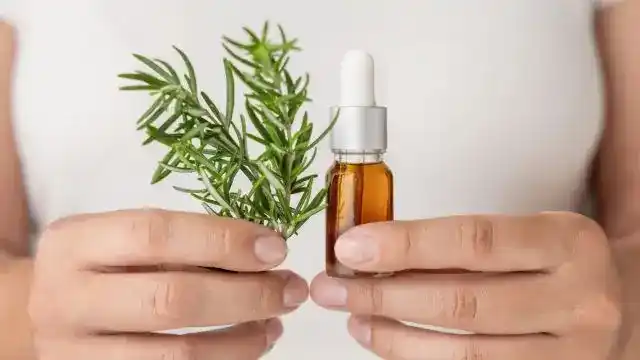
Ready to try Rosemary (Essential Oil) in recipes and DIY projects?
Explore aromatherapy blends, skincare ideas, bath products, diffuser recipes, and natural remedies featuring Rosemary (Essential Oil).