

Lavender Essential Oil is one of the most versatile oils used in aromatherapy, natural skincare, home fragrance, and DIY wellness routines. People commonly use lavender oil in diffusers, massage blends, bath products, sleep rituals, linen sprays, and homemade body care products because of its fresh floral aroma and long history of traditional use. Whether you want to learn how to use lavender essential oil for sleep, relaxation, skincare, hair care, or everyday home use, this guide explores practical methods, simple ideas, and popular ways to incorporate lavender essential oil into your routine.
How to Use Lavender Essential Oil
How to Use Lavender Essential Oil in a Diffuser
Lavender Essential Oil is one of the most popular oils for diffuser use because its soft floral aroma works well for relaxation, evening routines, and creating a calm atmosphere at home. Most people use about 3–6 drops in a water-based diffuser, adjusting the amount based on room size and personal preference.
Lavender can be diffused in bedrooms before sleep, living spaces for a softer aromatic environment, home offices, meditation areas, or guest rooms. It also blends easily with many other oils in diffuser recipes.
Popular diffuser pairings include:
- Lavender + Cedarwood for evening and grounding blends
- Lavender + Bergamot for fresh floral-citrus aromas
- Lavender + Chamomile for gentle bedtime blends
- Lavender + Sweet Orange for a brighter, softer floral scent
- Lavender + Peppermint for fresh herbal balance
Diffusing lavender oil for 30–60 minutes at a time is often enough for most spaces.
How to Use Lavender Essential Oil Topically
Lavender Essential Oil is commonly used in diluted topical products such as massage oils, body oils, salves, creams, roll-ons, balms, and aromatherapy blends. Before applying it to the skin, lavender oil is usually mixed with a carrier oil, lotion, cream base, or another suitable dilution medium.
Common carrier oils include:
- Jojoba oil
- Sweet almond oil
- Fractionated coconut oil
- Grapeseed oil
- Apricot kernel oil
Many people incorporate lavender into bedtime massage blends, relaxing body oils, pulse point rollers, and soothing self-care routines. Lavender’s familiar aroma also makes it a popular addition to hand creams, foot balms, body butters, and after-bath body care products.
Avoid applying undiluted essential oil directly to large areas of skin unless following appropriate professional guidance.
How to Use Lavender Essential Oil for Skin
Lavender Essential Oil is widely used in natural skincare and homemade beauty products because it blends well with creams, facial oils, body lotions, balms, masks, cleansers, and body care formulas.
Some common ways people use lavender oil in skincare routines include:
- Facial oils and diluted face serums
- Night creams and moisturizers
- Body lotions and body butters
- Hand creams and cuticle oils
- After-sun products and soothing body care blends
- Homemade salves and botanical skincare recipes
Lavender pairs well with skincare ingredients such as calendula, chamomile, rose, jojoba oil, aloe vera products, and gentle carrier oils.
Because facial skin can be sensitive, lower dilutions are often preferred for facial products compared with general body care products.
Read our Recipe for Lavender Massage Oil
How to Use Lavender Essential Oil for Hair
Lavender Essential Oil is commonly added to natural haircare and scalp care products because it blends well with shampoos, conditioners, scalp oils, hair masks, and leave-in treatments.
Popular ways to use lavender oil for hair include:
- Diluted scalp massage oils
- Homemade scalp serums
- Hair masks and conditioning treatments
- Shampoo and conditioner blends
- Hair oils for dry ends or everyday hair care routines
- Botanical hair and scalp recipes
Lavender combines well with rosemary, cedarwood, peppermint, tea tree, and geranium essential oils in haircare formulations depending on the desired aroma profile and product style.
When adding essential oils to hair products, it is usually best to work within appropriate dilution guidelines.
How to Use Lavender Essential Oil in Bath Products
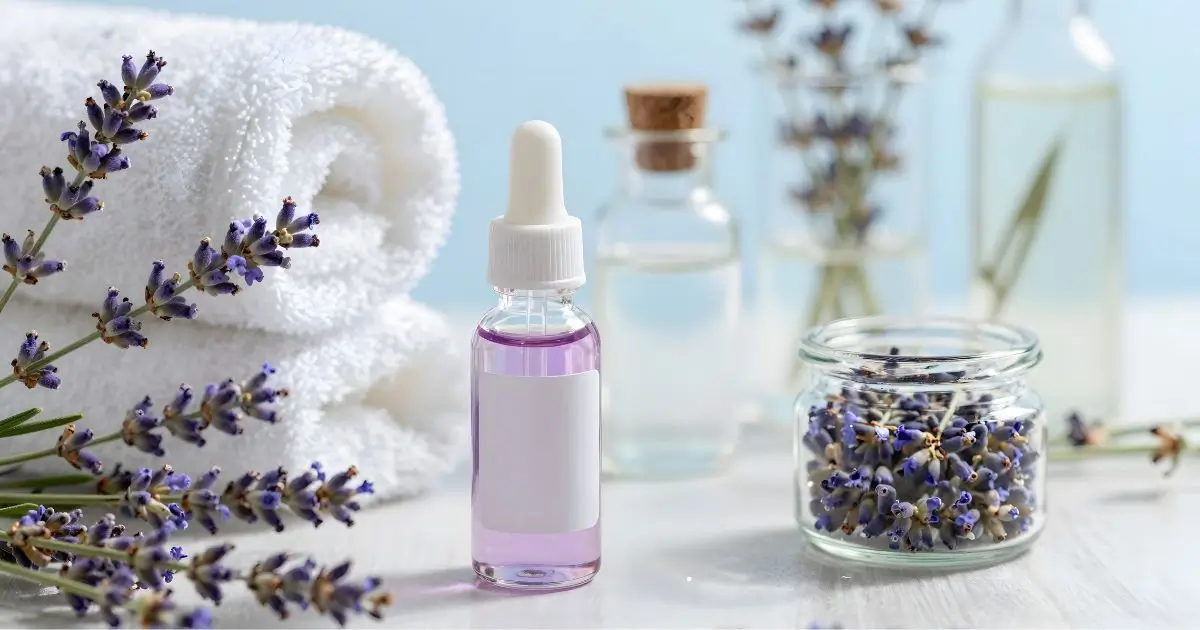
Lavender Essential Oil is widely used in bath and body routines because its aroma naturally suits evening baths, spa-style products, and relaxing self-care blends.
Popular bath uses include:
- Bath salts
- Bath soaks
- Bath oils
- Foaming baths
- Shower steamers
- Body scrubs
- Aromatherapy shower products
Lavender pairs especially well with Epsom salts, dried lavender flowers, oats, chamomile, rose petals, and gentle botanical bath ingredients.
Essential oils should not normally be added directly to bath water without suitable dilution or dispersal. Instead, lavender oil is often blended into bath salts, carrier oils, emulsified products, or properly formulated bath preparations.
How to Use Lavender Essential Oil Around the Home
Lavender Essential Oil is frequently used in natural home fragrance and DIY household products because its floral herbal aroma feels clean, familiar, and versatile.
Common household uses include:
- Room sprays
- Linen sprays
- Closet sachets and aromatic storage blends
- Reed diffuser blends
- Wax melts and home fragrance products
- Potpourri refreshers
- Homemade cleaning aroma blends
Lavender can help soften sharper herbal, citrus, or woodsy aromas in home blends and combines well with lemon, cedarwood, eucalyptus, rosemary, orange, and peppermint oils.
Many people use lavender in bedrooms, guest spaces, bathrooms, laundry products, meditation rooms, and seasonal home fragrance projects.
Ready to try Lavender (Essential Oil) in recipes and DIY projects?
Explore aromatherapy blends, skincare ideas, bath products, diffuser recipes, and natural remedies featuring Lavender (Essential Oil).
How to Use Lavender Essential Oil for Sleep Support
Lavender Essential Oil is one of the most widely used oils in aromatherapy for evening routines, relaxation practices, and sleep-supportive environments. Its soft floral aroma is commonly diffused before bedtime, added to pillow sprays, incorporated into bath rituals, and used in diluted topical blends intended for nighttime use.
Popular ways people use Lavender Essential Oil for sleep support include:
- Diffusing 3–6 drops in a bedroom diffuser about 30–60 minutes before bed
- Adding diluted lavender oil to massage oils or body oils used as part of an evening routine
- Making linen sprays or pillow mists for a light floral bedtime aroma
- Using lavender in bath salts, bath soaks, or relaxing bath products before sleep
- Blending with oils such as Roman Chamomile, Cedarwood, Bergamot, or Sweet Orange in bedtime formulas
A simple bedtime diffuser blend could include:
- 3 drops Lavender Essential Oil
- 2 drops Cedarwood Essential Oil
- 1–2 drops Roman Chamomile Essential Oil
Sleep routines are highly individual, and aromatic preferences can vary. Many people use lavender as part of a broader evening wind-down routine that may include calming aromas, reduced lighting, warm baths, skincare rituals, or quiet relaxation time.
Which Lavender Essential Oil Should You Use?
Not all lavender essential oils are identical. Different lavender varieties can have slightly different aroma profiles, traditional uses, and formulation styles.
True Lavender (Lavandula angustifolia) is commonly selected for relaxation blends, bedtime routines, skincare products, and gentle floral aromatherapy.
Lavandin varieties often have a stronger, sharper herbal aroma and are frequently used in soaps, household products, room fragrance, and larger-batch aromatic applications.
For most general wellness, skincare, and sleep-supportive uses, many people choose Lavender Essential Oil (Lavandula angustifolia), but the best option depends on your intended use, personal scent preference, and formulation goals.
Additional Usage Safety Notes
Lavender Essential Oil is generally considered one of the more versatile essential oils for aromatherapy and diluted topical use, but safe usage practices are still important.
- Always dilute appropriately before applying to the skin, especially for facial products, massage oils, scalp treatments, or body care formulas.
- Avoid applying undiluted essential oil directly to large areas of skin unless following professional guidance.
- When adding lavender oil to baths, first dilute it in a suitable carrier, dispersant, bath oil, or finished bath product rather than adding neat drops directly to bath water.
- Keep essential oils away from the eyes, inside the nose, ears, and other sensitive areas.
- If using lavender oil in homemade products, perform a small patch test before wider topical use, particularly if you have sensitive skin.
- Use extra care around children, pregnancy, medical conditions, pets, and individuals with fragrance sensitivities. Usage recommendations can vary depending on the situation.
Safe dilution levels depend on the product type, intended use, age group, skin sensitivity, and the specific essential oil being used.
Image Disclaimer: Images are for reference only and should not be used as the sole method of identification. Always confirm identification with a qualified source.
Frequently Asked Questions
How do you use Lavender Essential Oil for sleep?
Many people use Lavender Essential Oil as part of bedtime routines by diffusing it before sleep, adding it to diluted massage blends, incorporating it into relaxing bath products, or using it in pillow sprays and linen mists. Lavender is also commonly blended with oils such as Cedarwood, Roman Chamomile, and Sweet Orange for evening aromatherapy formulas.
Can Lavender Essential Oil be applied directly to the skin?
Lavender Essential Oil is typically diluted before topical use. Dilution is commonly recommended for facial products, body oils, massage blends, skincare formulas, and scalp applications. Appropriate dilution levels depend on the intended use, skin sensitivity, age, and product type.
Ready to try Lavender (Essential Oil) in recipes and DIY projects?
Explore aromatherapy blends, skincare ideas, bath products, diffuser recipes, and natural remedies featuring Lavender (Essential Oil).