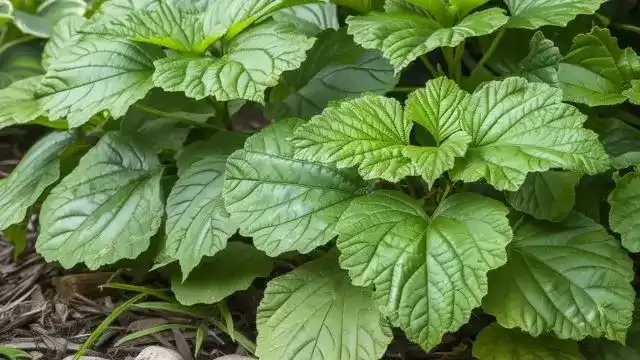
Patchouli essential oil is distilled from the leaves of Pogostemon cablin, a tropical member of the Lamiaceae family. Native to Southeast Asia and widely cultivated in Indonesia and India, it produces one of the most recognizable deep base notes used in natural fragrance and aromatic body care.
Traditionally, patchouli leaves were associated with textiles, storage, scenting, and perfumery because their aroma clings so well and develops beautifully over time. Today, the essential oil is used in perfume bases, diffuser blends, soaps, massage oils, and earthy floral compositions.
Patchouli is unusual because it can become smoother and more harmonious as it ages. That aging quality, together with its remarkable staying power, makes it more than just an earthy scent; it is a structural oil in formulation.
Essential Oil Overview
Botanical name:Pogostemon cablin
Plant part used: Leaves
Extraction method: Steam distillation
Aroma profile: Deep, earthy, woody, and slightly sweet with damp-soil richness and a long balsamic drydown.
Anchors perfumes and diffuser blends with lasting earthy depth
Adds richness to body oils, balms, soaps, and incense-style formulas
Pairs beautifully with florals, citrus, woods, and resins
Improves the staying power of lighter top-note oils
Types Available
Patchouli (Pogostemon cablin – classic earthy leaf oil)
Aged Patchouli (mellowed, smoother, less camphoraceous)
Light Patchouli (cleaner, less dark profile)
Patchouli Coeur (fraction with a softer refined heart note)
Aromatic Profile
Patchouli is one of the great fixative oils. It opens with dense earth and dark leaf, then softens into a warm woody sweetness that holds other materials in place. Fresh distillations can smell sharper and more camphoraceous, while aged oils usually feel rounder, richer, and more velvety.
Try 2 drops Patchouli, 2 drops Bergamot, 2 drops Rose Geranium, and 1 drop Sandalwood in a diffuser for a balanced earthy-floral blend.
Common Uses
Base note in natural perfume and incense-inspired blends
Body oils, soaps, and balms that benefit from deep earthy warmth
Grounding diffuser blends with resins, woods, or florals
Fixative support for citrus and other short-lived top notes
Targeted Uses
Choose patchouli when a blend feels too thin and needs more body
Excellent under rose, geranium, bergamot, and sweet orange to lengthen the drydown
Useful in autumnal, sensual, or meditative formulas where dark leaf and earth belong
Patchouli has long been valued not only for its scent, but for the way it gives fragrance weight, memory, and a lingering earthly presence.
Traditional perfumery and textile-scenting practice
Preparation Methods
Topical: Blend Patchouli into a carrier oil, balm, perfume oil, or body product when you want long-lasting earthy depth and a strong fixative effect.
Diffuser: Use Patchouli sparingly in a diffuser so it anchors the whole blend without flattening the brighter notes around it.
Bath: For bath use, first mix Patchouli with a suitable carrier or dispersant before adding to water.
Other: It is also widely used in roll-ons, beard oils, incense accords, soap fragrance, and perfume concentrates where staying power matters.
Safety Considerations
Patchouli is generally well tolerated when diluted, but its heavy aroma means a little usually goes a long way.
Dilute to about 1-3% for general adult topical use.
Patch test before using in leave-on products, especially on sensitive skin.
Use sparingly in facial blends because the aroma can dominate a formula.
Avoid contact with eyes and mucous membranes.
Pregnant or breastfeeding users and anyone under medical care should seek professional guidance before regular use.
Diffuse in moderation around pets and allow fresh air movement.
This information is for educational purposes only and is not medical advice. Essential oils are highly concentrated and should be used carefully, especially for children, during pregnancy, around pets, and on sensitive skin.
Image Disclaimer: Images are for reference only and should not be used as the sole method of identification. Always confirm identification with a qualified source.
Frequently Asked Questions
Why does patchouli essential oil smell different in fresh and aged batches?
Fresh patchouli can smell sharper, greener, and more camphoraceous, while aged patchouli usually becomes rounder, smoother, and more balsamic. That mellowing is one reason patchouli is prized in perfumery: it can gain softness and sophistication as it rests. That difference becomes much clearer when you compare the oils directly in a simple test blend.
What does Patchouli essential oil smell like?
Patchouli smells deep, earthy, woody, and slightly sweet. Many people notice damp soil, dark leaves, and a balsamic drydown. Depending on the distillation and age, it can lean greener and sharper or softer and more velvety. That difference becomes much clearer when you compare the oils directly in a simple test blend.
Is patchouli a top, middle, or base note?
Patchouli is a classic base note. It lasts well, slows down the evaporation of lighter oils, and gives blends more depth. That is why it is so often used to anchor citrus, florals, and incense-style formulas. That difference becomes much clearer when you compare the oils directly in a simple test blend.
What oils blend especially well with patchouli?
Patchouli blends beautifully with bergamot, sweet orange, rose geranium, lavender, sandalwood, myrrh, and frankincense. It often works best when paired with something bright or floral so its earthy richness feels balanced rather than overly heavy. That difference becomes much clearer when you compare the oils directly in a simple test blend.
Can patchouli essential oil be used in body products?
Yes, patchouli is commonly used in body oils, balms, soaps, and natural perfumes. It should still be diluted properly, patch tested, and used thoughtfully because its aroma is powerful and can quickly dominate a finished product. That difference becomes much clearer when you compare the oils directly in a simple test blend.
Why is patchouli so common in natural perfume?
Patchouli is common in natural perfume because it provides depth, warmth, and excellent staying power. It helps lighter notes last longer and gives the whole fragrance a more complete structure, especially in floral, woody, resinous, and oriental-style blends. That difference becomes much clearer when you compare the oils directly in a simple test blend.
Patchouli essential oil is distilled from the leaves of Pogostemon cablin, a tropical member of the Lamiaceae family. Native to Southeast Asia and widely cultivated in Indonesia and India, it produces one of the most recognizable deep base notes used in natural fragrance and aromatic body care.
Traditionally, patchouli leaves were associated with textiles, storage, scenting, and perfumery because their aroma clings so well and develops beautifully over time. Today, the essential oil is used in perfume bases, diffuser blends, soaps, massage oils, and earthy floral compositions.
Patchouli is unusual because it can become smoother and more harmonious as it ages. That aging quality, together with its remarkable staying power, makes it more than just an earthy scent; it is a structural oil in formulation.
Aromatic Profile
Patchouli is one of the great fixative oils. It opens with dense earth and dark leaf, then softens into a warm woody sweetness that holds other materials in place. Fresh distillations can smell sharper and more camphoraceous, while aged oils usually feel rounder, richer, and more velvety.
Similar to: Labdanum, Peru Balsam, Myrrh, earthy vetiver-style base notes
Common Uses
Base note in natural perfume and incense-inspired blends
Body oils, soaps, and balms that benefit from deep earthy warmth
Grounding diffuser blends with resins, woods, or florals
Fixative support for citrus and other short-lived top notes
Targeted Uses
Choose patchouli when a blend feels too thin and needs more body
Excellent under rose, geranium, bergamot, and sweet orange to lengthen the drydown
Useful in autumnal, sensual, or meditative formulas where dark leaf and earth belong
Patchouli has long been valued not only for its scent, but for the way it gives fragrance weight, memory, and a lingering earthly presence.
Traditional perfumery and textile-scenting practice
Preparation Methods
Topical: Blend Patchouli into a carrier oil, balm, perfume oil, or body product when you want long-lasting earthy depth and a strong fixative effect.
Diffuser: Use Patchouli sparingly in a diffuser so it anchors the whole blend without flattening the brighter notes around it.
Bath: For bath use, first mix Patchouli with a suitable carrier or dispersant before adding to water.
Other: It is also widely used in roll-ons, beard oils, incense accords, soap fragrance, and perfume concentrates where staying power matters.
Safety Considerations
Patchouli is generally well tolerated when diluted, but its heavy aroma means a little usually goes a long way.
Dilute to about 1-3% for general adult topical use.
Patch test before using in leave-on products, especially on sensitive skin.
Use sparingly in facial blends because the aroma can dominate a formula.
Avoid contact with eyes and mucous membranes.
Pregnant or breastfeeding users and anyone under medical care should seek professional guidance before regular use.
Diffuse in moderation around pets and allow fresh air movement.
This information is for educational purposes only and is not medical advice. Essential oils are highly concentrated and should be used carefully, especially for children, during pregnancy, around pets, and on sensitive skin.
Image Disclaimer: Images are for reference only and should not be used as the sole method of identification. Always confirm identification with a qualified source.
Frequently Asked Questions
Why does patchouli essential oil smell different in fresh and aged batches?
Fresh patchouli can smell sharper, greener, and more camphoraceous, while aged patchouli usually becomes rounder, smoother, and more balsamic. That mellowing is one reason patchouli is prized in perfumery: it can gain softness and sophistication as it rests. That difference becomes much clearer when you compare the oils directly in a simple test blend.
What does Patchouli essential oil smell like?
Patchouli smells deep, earthy, woody, and slightly sweet. Many people notice damp soil, dark leaves, and a balsamic drydown. Depending on the distillation and age, it can lean greener and sharper or softer and more velvety. That difference becomes much clearer when you compare the oils directly in a simple test blend.
Is patchouli a top, middle, or base note?
Patchouli is a classic base note. It lasts well, slows down the evaporation of lighter oils, and gives blends more depth. That is why it is so often used to anchor citrus, florals, and incense-style formulas. That difference becomes much clearer when you compare the oils directly in a simple test blend.
What oils blend especially well with patchouli?
Patchouli blends beautifully with bergamot, sweet orange, rose geranium, lavender, sandalwood, myrrh, and frankincense. It often works best when paired with something bright or floral so its earthy richness feels balanced rather than overly heavy. That difference becomes much clearer when you compare the oils directly in a simple test blend.
Can patchouli essential oil be used in body products?
Yes, patchouli is commonly used in body oils, balms, soaps, and natural perfumes. It should still be diluted properly, patch tested, and used thoughtfully because its aroma is powerful and can quickly dominate a finished product. That difference becomes much clearer when you compare the oils directly in a simple test blend.
Why is patchouli so common in natural perfume?
Patchouli is common in natural perfume because it provides depth, warmth, and excellent staying power. It helps lighter notes last longer and gives the whole fragrance a more complete structure, especially in floral, woody, resinous, and oriental-style blends. That difference becomes much clearer when you compare the oils directly in a simple test blend.
Essential Oil Overview
Botanical name:Pogostemon cablin
Plant part used: Leaves
Extraction method: Steam distillation
Aroma profile: Deep, earthy, woody, and slightly sweet with damp-soil richness and a long balsamic drydown.