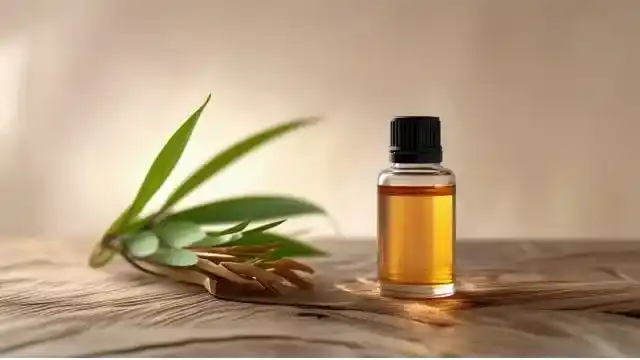
Sandalwood essential oil is distilled from the heartwood of the sandalwood tree, Santalum album, an aromatic evergreen tree in the Santalaceae family native to India and parts of Southeast Asia. It is known for its soft, creamy, woody aroma and has long been treasured in perfumery, spiritual traditions, and body care where a calm, refined fragrance is desired.
Traditionally, sandalwood essential oil has been used in meditation blends, natural perfume, facial oils, and evening diffuser formulas. Its smooth, velvety scent is often chosen to bring depth and composure to a blend, especially when paired with florals, resins, or softer citrus oils that benefit from a warm woody base.
Sandalwood is unusual among essential oils because its aroma feels both subtle and long-lasting, adding persistence without harshness. Because true sandalwood is slow-growing and highly valued, quality and sustainability are often important considerations when purchasing or formulating with this oil.
Botanical Overview
Botanical name:Santalum album
Family: Santalaceae (sandalwood family)
Plant type: Aromatic evergreen tree
Native region: India and parts of Southeast Asia
Common names: Sandalwood, East Indian sandalwood, White sandalwood
Aromatic Profile
Sandalwood essential oil has a soft, creamy, woody aroma with a smooth, lingering depth and a calm meditative quality.
Scent family: Woody, creamy, and balsamic
Fragrance notes: Soft, warm, smooth, velvety, and grounding with lightly sweet undertones
Similar to: Frankincense, amyris, and cedarwood, though true sandalwood is usually creamier and more velvety
Blending Suggestions
Sandalwood essential oil blends harmoniously with floral, citrus, herbal, and resinous oils that benefit from a soft woody base.
This smooth blend is commonly used in meditation or evening diffuser routines when a room needs warmth, depth, and quiet focus.
Common Uses
Aromatherapy: Diffuse for a smooth, quiet atmosphere with a soft woody depth.
Natural perfume: Use as a refined base note in floral, resinous, or citrus fragrance blends.
Skincare: Add well diluted to facial oils, creams, and body serums for a warm, elegant aromatic finish.
Massage oil (diluted): Blend into carrier oils for a grounding body oil with a luxurious scent.
Meditation rituals: Often used in personal rituals and evening diffuser blends where a calm, centered mood is desired.
Targeted Uses
Grounding blends: Commonly used in diffuser routines intended to feel steady, quiet, and centered.
Perfume depth: Frequently added to natural fragrances to anchor lighter notes and improve longevity.
Evening skincare: Often included in facial oils and creams for a soft woody aroma that feels rich and calming.
Quiet room ambiance: Used when a blend needs warmth and persistence without a sharp or medicinal edge.
“Sandalwood is prized for the lasting softness of its fragrance and the serenity it lends to both perfume and prayer.”
— Adapted from traditional perfumery and devotional references
Preparation Methods
Sandalwood Essential Oil can be prepared in several ways:
Topical Application
Dilute sandalwood essential oil in a carrier oil such as jojoba, argan, or rosehip oil before applying it to the skin. Around 1–2% is a common range for body use, while facial blends often use lower amounts for a more delicate finish.
Remedies:Coming soon facial oils and sandalwood body serum recipes.
Diffuser
Sandalwood essential oil can be diffused to create a calm, woody atmosphere, either on its own or with lavender, bergamot, or frankincense. Add about 3–5 drops to a diffuser filled with water and diffuse during quiet daytime or evening routines.
Remedies:Coming soon diffuser blends with sandalwood essential oil.
Bath
For a warm bath ritual, combine sandalwood essential oil with a carrier oil or suitable dispersant before adding it to the water. This helps distribute the oil and gives the bath a smoother aromatic effect.
Remedies:Grounding bath recipes with sandalwood essential oil coming soon.
Natural Perfume
Because sandalwood is smooth and long-lasting, it is especially useful in roll-on perfumes and aromatic balms where it serves as a soft woody base note.
Remedies:Coming soon natural perfume recipes with sandalwood essential oil.
Safety Considerations
Sandalwood essential oil is generally considered one of the softer woody oils in aromatherapy, but it is still concentrated and should be diluted appropriately before topical use.
However, because true sandalwood is highly valued and slow-growing, sourcing and authenticity are also practical considerations alongside normal skin-safety precautions.
Always dilute before applying to the skin; around 1–2% is often suitable for body use, with lower amounts often preferred for the face.
Patch test before first use, especially in facial or leave-on skincare products.
Avoid contact with eyes, inner ears, and mucous membranes.
Store away from direct heat and light, and keep the bottle tightly sealed.
Choose reputable suppliers, as sandalwood is a premium oil and substitutions are common in the marketplace.
Use moderate amounts when diffusing around pets and provide good ventilation.
Please use this information for educational purposes only and consult a qualified healthcare professional for individual guidance.
Image Disclaimer: Images are for reference only and should not be used as the sole method of identification. Always confirm identification with a qualified source.
Frequently Asked Questions
What is sandalwood essential oil used for?
Sandalwood essential oil is commonly used in meditation blends, natural perfume, facial oils, and evening diffuser routines. It is especially valued for its soft, creamy, grounding woody aroma.
What does sandalwood essential oil smell like?
Sandalwood essential oil smells smooth, creamy, woody, warm, and softly sweet. Compared with cedarwood, it is usually rounder, more velvety, and less dry.
Can sandalwood essential oil be used in skincare?
Sandalwood essential oil is often used in skincare and facial oils because of its gentle woody aroma and elegant profile. It should still be diluted properly, especially in leave-on products.
What oils blend well with sandalwood?
Sandalwood blends well with frankincense, bergamot, lavender, Roman chamomile, and other floral or resinous oils. These combinations help highlight its smooth woody depth without making the blend feel heavy.
Why is sandalwood essential oil popular in natural perfume?
Sandalwood is popular in natural perfume because it adds softness, depth, and aromatic staying power. It supports lighter floral or citrus notes without overpowering them.
How can you tell a good-quality sandalwood essential oil?
A good-quality sandalwood essential oil usually has a soft, creamy, long-lasting aroma rather than a harsh or thin woody smell. Reputable sourcing and clear botanical labeling are also important because sandalwood is often imitated.
Sandalwood essential oil is distilled from the heartwood of the sandalwood tree, Santalum album, an aromatic evergreen tree in the Santalaceae family native to India and parts of Southeast Asia. It is known for its soft, creamy, woody aroma and has long been treasured in perfumery, spiritual traditions, and body care where a calm, refined fragrance is desired.
Traditionally, sandalwood essential oil has been used in meditation blends, natural perfume, facial oils, and evening diffuser formulas. Its smooth, velvety scent is often chosen to bring depth and composure to a blend, especially when paired with florals, resins, or softer citrus oils that benefit from a warm woody base.
Sandalwood is unusual among essential oils because its aroma feels both subtle and long-lasting, adding persistence without harshness. Because true sandalwood is slow-growing and highly valued, quality and sustainability are often important considerations when purchasing or formulating with this oil.
Aromatic Profile
Sandalwood essential oil has a soft, creamy, woody aroma with a smooth, lingering depth and a calm meditative quality.
Scent family: Woody, creamy, and balsamic
Fragrance notes: Soft, warm, smooth, velvety, and grounding with lightly sweet undertones
Similar to: Frankincense, amyris, and cedarwood, though true sandalwood is usually creamier and more velvety
Common Uses
Aromatherapy: Diffuse for a smooth, quiet atmosphere with a soft woody depth.
Natural perfume: Use as a refined base note in floral, resinous, or citrus fragrance blends.
Skincare: Add well diluted to facial oils, creams, and body serums for a warm, elegant aromatic finish.
Massage oil (diluted): Blend into carrier oils for a grounding body oil with a luxurious scent.
Meditation rituals: Often used in personal rituals and evening diffuser blends where a calm, centered mood is desired.
Targeted Uses
Grounding blends: Commonly used in diffuser routines intended to feel steady, quiet, and centered.
Perfume depth: Frequently added to natural fragrances to anchor lighter notes and improve longevity.
Evening skincare: Often included in facial oils and creams for a soft woody aroma that feels rich and calming.
Quiet room ambiance: Used when a blend needs warmth and persistence without a sharp or medicinal edge.
“Sandalwood is prized for the lasting softness of its fragrance and the serenity it lends to both perfume and prayer.”
— Adapted from traditional perfumery and devotional references
Preparation Methods
Sandalwood Essential Oil can be prepared in several ways:
Topical Application
Dilute sandalwood essential oil in a carrier oil such as jojoba, argan, or rosehip oil before applying it to the skin. Around 1–2% is a common range for body use, while facial blends often use lower amounts for a more delicate finish.
Remedies:Coming soon facial oils and sandalwood body serum recipes.
Diffuser
Sandalwood essential oil can be diffused to create a calm, woody atmosphere, either on its own or with lavender, bergamot, or frankincense. Add about 3–5 drops to a diffuser filled with water and diffuse during quiet daytime or evening routines.
Remedies:Coming soon diffuser blends with sandalwood essential oil.
Bath
For a warm bath ritual, combine sandalwood essential oil with a carrier oil or suitable dispersant before adding it to the water. This helps distribute the oil and gives the bath a smoother aromatic effect.
Remedies:Grounding bath recipes with sandalwood essential oil coming soon.
Natural Perfume
Because sandalwood is smooth and long-lasting, it is especially useful in roll-on perfumes and aromatic balms where it serves as a soft woody base note.
Remedies:Coming soon natural perfume recipes with sandalwood essential oil.
Safety Considerations
Sandalwood essential oil is generally considered one of the softer woody oils in aromatherapy, but it is still concentrated and should be diluted appropriately before topical use.
However, because true sandalwood is highly valued and slow-growing, sourcing and authenticity are also practical considerations alongside normal skin-safety precautions.
Always dilute before applying to the skin; around 1–2% is often suitable for body use, with lower amounts often preferred for the face.
Patch test before first use, especially in facial or leave-on skincare products.
Avoid contact with eyes, inner ears, and mucous membranes.
Store away from direct heat and light, and keep the bottle tightly sealed.
Choose reputable suppliers, as sandalwood is a premium oil and substitutions are common in the marketplace.
Use moderate amounts when diffusing around pets and provide good ventilation.
Please use this information for educational purposes only and consult a qualified healthcare professional for individual guidance.
Image Disclaimer: Images are for reference only and should not be used as the sole method of identification. Always confirm identification with a qualified source.
Frequently Asked Questions
What is sandalwood essential oil used for?
Sandalwood essential oil is commonly used in meditation blends, natural perfume, facial oils, and evening diffuser routines. It is especially valued for its soft, creamy, grounding woody aroma.
What does sandalwood essential oil smell like?
Sandalwood essential oil smells smooth, creamy, woody, warm, and softly sweet. Compared with cedarwood, it is usually rounder, more velvety, and less dry.
Can sandalwood essential oil be used in skincare?
Sandalwood essential oil is often used in skincare and facial oils because of its gentle woody aroma and elegant profile. It should still be diluted properly, especially in leave-on products.
What oils blend well with sandalwood?
Sandalwood blends well with frankincense, bergamot, lavender, Roman chamomile, and other floral or resinous oils. These combinations help highlight its smooth woody depth without making the blend feel heavy.
Why is sandalwood essential oil popular in natural perfume?
Sandalwood is popular in natural perfume because it adds softness, depth, and aromatic staying power. It supports lighter floral or citrus notes without overpowering them.
How can you tell a good-quality sandalwood essential oil?
A good-quality sandalwood essential oil usually has a soft, creamy, long-lasting aroma rather than a harsh or thin woody smell. Reputable sourcing and clear botanical labeling are also important because sandalwood is often imitated.
Botanical Overview
Botanical name:Santalum album
Family: Santalaceae (sandalwood family)
Plant type: Aromatic evergreen tree
Native region: India and parts of Southeast Asia
Common names: Sandalwood, East Indian sandalwood, White sandalwood
Blending Suggestions
Sandalwood essential oil blends harmoniously with floral, citrus, herbal, and resinous oils that benefit from a soft woody base.
The information on this website is for educational purposes only and is not intended as medical advice. Always consult a qualified healthcare professional before using herbs, supplements, or natural products.