

Orange Sweet essential oil is distilled or expressed from fruit peel of Citrus sinensis, a member of the Rutaceae family. Native to China originally, now cultivated widely in Mediterranean and subtropical citrus regions, this oil is valued for its citrus, sweet character and its very specific role in aromatic blending.
Traditionally, materials from this plant have been used in perfumery, incense, household preparations, or regional botanical practice depending on the species. Today, Orange Sweet is used in diffusers, body oils, balms, and natural fragrance blends where its particular aroma and behavior in a formula matter just as much as its scent.
Sweet orange peel has long been appreciated in kitchens, confections, pomanders, and fragrant household preparations.
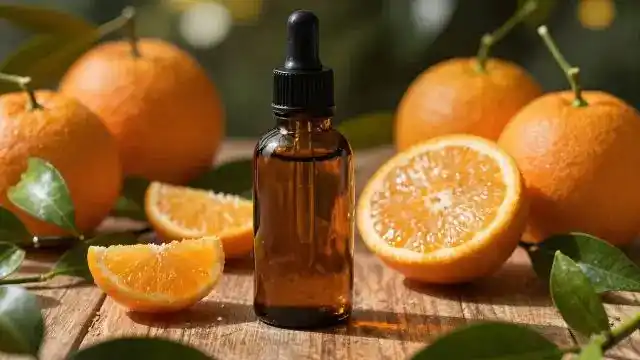
Essential Oil Overview
Botanical name:Citrus sinensis
Plant part used: Fruit peel
Extraction method: Cold pressed
Aroma profile: Sweet, juicy, and sunny with the familiar fresh-peel scent most people associate with orange.
Blood orange types – richer, slightly deeper fruit profile
Orange blossom and leaf oils from related citrus materials – more floral or green than peel-focused
Aromatic Profile
Orange Sweet is best understood by how it behaves in a blend: Sweet, juicy, and sunny with the familiar fresh-peel scent most people associate with orange. It opens with juicy fresh peel and settles into a profile that makes it especially useful as a top note.
Everyday room diffusion and cheerful household blends
Body scrubs, soaps, and shower products
Introductory aromatherapy blends because it is easy to pair
Seasonal holiday-style citrus and spice formulas
Targeted Uses
Sweet Orange is the best choice when you want a friendly, immediately recognizable orange aroma
It helps soften sharper herbal oils and can make resin blends feel warmer and more welcoming
It also works well in products where a bright citrus mood matters more than aromatic complexity
Sweet orange is the easy smile of the citrus world – bright, generous, and instantly recognizable.
Traditional and modern aromatic use summary for Citrus sinensis peel oil
Preparation Methods
Topical: Blend Orange Sweet into a carrier oil, balm, salve, or lotion at an appropriate dilution for body use.
Diffuser: Use in a diffuser in small measured amounts, especially when pairing it with oils that support its citrus, sweet profile.
Bath: For bath use, first mix with a suitable dispersant or carrier before adding to water.
Other: It is especially useful in room sprays, cleaning-style blends, sugar scrubs, and cheerful home fragrance where a bright peel aroma is wanted.
Safety Considerations
Sweet orange oxidizes relatively quickly, so store it tightly closed away from heat, light, and air.
Always dilute before topical use and patch test before applying to larger areas.
Do not use old or noticeably oxidized citrus oils on the skin.
Check supplier guidance for your exact oil when using in leave-on body products.
Diffuse with ventilation around pets and let them leave the space if needed.
This information is for educational purposes only and is not medical advice. Essential oils are highly concentrated and should be used carefully, especially for children, during pregnancy, around pets, and on sensitive skin.
Image Disclaimer: Images are for reference only and should not be used as the sole method of identification. Always confirm identification with a qualified source.
Frequently Asked Questions
What does Sweet Orange essential oil smell like?
Sweet Orange smells juicy, soft, sunny, and freshly peeled. It is the orange aroma most people think of first – cheerful and approachable, without the dry tartness of Bitter Orange or the greener edge of some mandarin oils.
How is Sweet Orange different from Bitter Orange?
Sweet Orange is smoother, rounder, and more crowd-pleasing, while Bitter Orange is drier, tarter, and more sophisticated. Sweet Orange is usually better for simple uplifting blends and family-style room sprays, while Bitter Orange shines in perfumery and more refined citrus accords.
What blends well with Sweet Orange essential oil?
Lavender, frankincense, Roman chamomile, lemon, tea tree, mandarin, myrrh, and palo santo all work well with Sweet Orange. It is especially useful for brightening deeper oils and making herbal or resinous formulas feel more open and welcoming.
Is Sweet Orange good for beginners?
Yes. Sweet Orange is one of the best beginner oils because it is easy to recognize, easy to blend, and very versatile. It can go in comforting bedtime blends, cheerful room blends, soap formulas, and festive seasonal recipes without much difficulty.
Why does Sweet Orange have a shorter shelf life?
Sweet Orange is rich in limonene, a constituent that can oxidize more quickly than the heavier compounds found in many woods and resins. That is why citrus oils benefit from cool, dark storage and are best enjoyed while they still smell fresh and lively.
Can Sweet Orange be used with Frankincense or Myrrh?
Absolutely. Sweet Orange is excellent with Frankincense and Myrrh because it brightens those deeper resins and keeps the blend from feeling too heavy. That combination is especially popular in holiday-style blends, meditation room scents, and rich aromatic body oils.
Orange Sweet essential oil is distilled or expressed from fruit peel of Citrus sinensis, a member of the Rutaceae family. Native to China originally, now cultivated widely in Mediterranean and subtropical citrus regions, this oil is valued for its citrus, sweet character and its very specific role in aromatic blending.
Traditionally, materials from this plant have been used in perfumery, incense, household preparations, or regional botanical practice depending on the species. Today, Orange Sweet is used in diffusers, body oils, balms, and natural fragrance blends where its particular aroma and behavior in a formula matter just as much as its scent.
Sweet orange peel has long been appreciated in kitchens, confections, pomanders, and fragrant household preparations.
Aromatic Profile
Orange Sweet is best understood by how it behaves in a blend: Sweet, juicy, and sunny with the familiar fresh-peel scent most people associate with orange. It opens with juicy fresh peel and settles into a profile that makes it especially useful as a top note.
Similar to: Mandarin and general orange peel oils, though sweet orange is usually fuller and less green than mandarin.
Common Uses
Everyday room diffusion and cheerful household blends
Body scrubs, soaps, and shower products
Introductory aromatherapy blends because it is easy to pair
Seasonal holiday-style citrus and spice formulas
Targeted Uses
Sweet Orange is the best choice when you want a friendly, immediately recognizable orange aroma
It helps soften sharper herbal oils and can make resin blends feel warmer and more welcoming
It also works well in products where a bright citrus mood matters more than aromatic complexity
Sweet orange is the easy smile of the citrus world – bright, generous, and instantly recognizable.
Traditional and modern aromatic use summary for Citrus sinensis peel oil
Preparation Methods
Topical: Blend Orange Sweet into a carrier oil, balm, salve, or lotion at an appropriate dilution for body use.
Diffuser: Use in a diffuser in small measured amounts, especially when pairing it with oils that support its citrus, sweet profile.
Bath: For bath use, first mix with a suitable dispersant or carrier before adding to water.
Other: It is especially useful in room sprays, cleaning-style blends, sugar scrubs, and cheerful home fragrance where a bright peel aroma is wanted.
Safety Considerations
Sweet orange oxidizes relatively quickly, so store it tightly closed away from heat, light, and air.
Always dilute before topical use and patch test before applying to larger areas.
Do not use old or noticeably oxidized citrus oils on the skin.
Check supplier guidance for your exact oil when using in leave-on body products.
Diffuse with ventilation around pets and let them leave the space if needed.
This information is for educational purposes only and is not medical advice. Essential oils are highly concentrated and should be used carefully, especially for children, during pregnancy, around pets, and on sensitive skin.
Image Disclaimer: Images are for reference only and should not be used as the sole method of identification. Always confirm identification with a qualified source.
Frequently Asked Questions
What does Sweet Orange essential oil smell like?
Sweet Orange smells juicy, soft, sunny, and freshly peeled. It is the orange aroma most people think of first – cheerful and approachable, without the dry tartness of Bitter Orange or the greener edge of some mandarin oils.
How is Sweet Orange different from Bitter Orange?
Sweet Orange is smoother, rounder, and more crowd-pleasing, while Bitter Orange is drier, tarter, and more sophisticated. Sweet Orange is usually better for simple uplifting blends and family-style room sprays, while Bitter Orange shines in perfumery and more refined citrus accords.
What blends well with Sweet Orange essential oil?
Lavender, frankincense, Roman chamomile, lemon, tea tree, mandarin, myrrh, and palo santo all work well with Sweet Orange. It is especially useful for brightening deeper oils and making herbal or resinous formulas feel more open and welcoming.
Is Sweet Orange good for beginners?
Yes. Sweet Orange is one of the best beginner oils because it is easy to recognize, easy to blend, and very versatile. It can go in comforting bedtime blends, cheerful room blends, soap formulas, and festive seasonal recipes without much difficulty.
Why does Sweet Orange have a shorter shelf life?
Sweet Orange is rich in limonene, a constituent that can oxidize more quickly than the heavier compounds found in many woods and resins. That is why citrus oils benefit from cool, dark storage and are best enjoyed while they still smell fresh and lively.
Can Sweet Orange be used with Frankincense or Myrrh?
Absolutely. Sweet Orange is excellent with Frankincense and Myrrh because it brightens those deeper resins and keeps the blend from feeling too heavy. That combination is especially popular in holiday-style blends, meditation room scents, and rich aromatic body oils.
Essential Oil Overview
Botanical name:Citrus sinensis
Plant part used: Fruit peel
Extraction method: Cold pressed
Aroma profile: Sweet, juicy, and sunny with the familiar fresh-peel scent most people associate with orange.