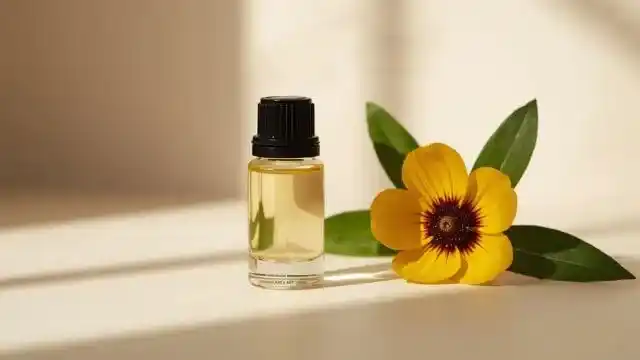

Ambrette seed essential oil (Abelmoschus moschatus) is an aromatic oil obtained from the seeds of a plant in the Malvaceae family, native to India and tropical regions of Asia. It is one of the few plant-based sources of a natural musk aroma, making it highly valued in natural perfumery for its soft, warm, and slightly sweet scent with delicate floral and earthy nuances.
Often referred to as a natural plant-based musk, ambrette oil is used to add depth and longevity to fragrance blends. It is traditionally included in fine fragrance, anointing oils, and calming aromatic formulations where a gentle, rounded base note is desired.
Ambrette essential oil benefits are closely linked to its role as a natural fixative, helping other aromas last longer while creating a smooth and balanced scent profile. Because of its intensity, it is typically used in small amounts, where it can subtly shape and enhance the overall fragrance.
Ambrette seed essential oil is often compared with other base note and fixative oils used in natural perfumery. The table below highlights how it differs from commonly used alternatives.
This elegant blend is often used in perfume oils and pulse-point formulas when a soft botanical musk effect is desired.
Common Uses
Aromatherapy: Diffuse in small amounts to enjoy its soft, musky, sweet, and slightly wine-like.
Massage oil (diluted): Blend with a carrier oil for body applications where its aromatic character is desired.
Perfumery: Use in natural perfume, body oil, or pulse-point blends when a musky note is wanted.
Room blends: Add to room sprays, diffuser blends, or seasonal household formulas for a distinctive aromatic effect.
Personal care: In very low dilutions, add to creams, body oils, or grooming blends when its aroma profile suits the formula.
Ambrette Seed Oil Benefits
Perfumery and Natural Musk: Ambrette seed essential oil is widely valued as a natural plant-based musk and fixative. It helps anchor lighter notes in a blend, adding depth, warmth, and longevity to natural perfumes and aromatic formulations.
Calming and Grounding Aroma: Its soft, musky scent is often used in blends designed to promote relaxation and emotional balance, creating a gentle, calming atmosphere.
Skin and Body Care: Ambrette oil contains naturally occurring fatty components and is sometimes included in oil-based formulations to support skin softness and overall conditioning when properly diluted.
Blending and Aromatic Balance: Due to its base note profile, it works well to round out sharper or brighter oils, helping create smooth, well-balanced fragrance blends.
Traditional Use: In traditional practices, ambrette has been associated with warming and comforting blends, though it is primarily valued for its aromatic qualities rather than strong therapeutic action.
Signature scent work: Useful when creating a recognizable aromatic theme across diffuser, perfume, and body products.
The most subtle seed perfumes often reveal their beauty slowly, deepening as they warm on the skin.
— Traditional botanical perfumery note
Ambrette Essential Oil Preparation Methods
Ambrette seed essential oil can be prepared in several ways:
Topical Application
Dilute in a carrier oil before applying to the skin. For body use, a 1–2% dilution is usually a practical starting point, while facial or very sensitive applications should be much lower. Because this oil has a distinctive aroma profile, a small amount often goes a long way in personal blends.
Remedies:Coming soon recipes using Ambrette seed essential oil.
Diffuser
Ambrette seed essential oil can be diffused to enjoy its aromatic character in the home, office, or treatment space. Add around 3–5 drops to water in a standard diffuser, or use less if the aroma is especially strong. Start low and adjust based on the size of the room and the intensity you prefer.
Remedies:Coming soon diffuser blends with Ambrette seed essential oil.
Natural Perfume
This oil is especially useful in perfume oils and anointing blends where a lasting musky note is desired. Blend in drops rather than large amounts, then allow the formula to rest so the aroma can settle and round out.
Remedies:More aromatic blend ideas coming soon.
Bath
For bath use, first mix a few drops into a dispersing base such as unscented bath gel, liquid soap, carrier oil, or bath salts before adding to warm water. This helps distribute the oil more evenly and reduces the chance of skin irritation from undiluted contact.
Remedies:Bath blend recipes coming soon.
Safety Considerations
This essential oil has traditional aromatic uses, but it should still be handled thoughtfully because concentration, chemistry, and individual sensitivity can all affect how well it is tolerated.
However, essential oils are highly concentrated plant extracts and are best used with care.
Always dilute before topical use and patch test first, especially when using ambrette in perfume oils.
Natural musk-style seed oils can vary in strength between batches, so start with a low dilution.
Avoid contact with eyes, inner ears, and mucous membranes.
Use caution during pregnancy, while breastfeeding, and around small children unless guided by a qualified professional.
Keep out of reach of pets and avoid prolonged heavy diffusion in small enclosed rooms.
This information is provided for educational purposes only and is not medical advice. Individuals with medical conditions, those who are pregnant or breastfeeding, and anyone using essential oils around children or pets should consult a qualified healthcare professional when appropriate.
Image Disclaimer: Images are for reference only and should not be used as the sole method of identification. Always confirm identification with a qualified source.
Frequently Asked Questions
What is ambrette seed used for?
Ambrette seed essential oil is commonly used in diffuser blends, perfumery, body oils, and other aromatic formulas where its musky and floral character is wanted. The exact role depends on the oil, but it is generally chosen for scent, mood, and blend-building rather than as a generic all-purpose oil.
What does ambrette seed smell like?
Ambrette seed essential oil has a soft, musky, sweet, and slightly wine-like with delicate floral and earthy nuances. Many people choose it specifically because its aroma can quickly shape the overall direction of a blend, whether that is fresh, warm, resinous, herbal, or softly floral.
How do you use ambrette seed in a diffuser?
To diffuse Ambrette seed essential oil, add around 3–5 drops to water in a standard diffuser, then adjust based on room size and scent strength. Stronger oils often need less, and it is usually best to start low and build gradually.
Is ambrette seed safe on skin?
Ambrette seed essential oil should not be applied to the skin undiluted. A carrier oil is recommended, patch testing is wise, and some oils in this group need extra caution because they can irritate sensitive skin or may not be suitable in pregnancy, around children, or for pets.
What oils blend well with ambrette seed?
Ambrette seed essential oil blends well with oils that support its natural profile, such as those in the citrus, floral, woody, herbal, or resinous families. Good pairings depend on the oil, but balanced blends usually combine a lifting top note, a supporting middle note, and a grounding base note.
What should you look for when buying ambrette seed?
When buying Ambrette seed essential oil, look for a reputable supplier that lists the full botanical name, plant part, extraction method, and preferably a batch or constituent profile. Clear identification matters because related oils can differ significantly in aroma, chemistry, and safety.
Ambrette seed essential oil (Abelmoschus moschatus) is an aromatic oil obtained from the seeds of a plant in the Malvaceae family, native to India and tropical regions of Asia. It is one of the few plant-based sources of a natural musk aroma, making it highly valued in natural perfumery for its soft, warm, and slightly sweet scent with delicate floral and earthy nuances.
Often referred to as a natural plant-based musk, ambrette oil is used to add depth and longevity to fragrance blends. It is traditionally included in fine fragrance, anointing oils, and calming aromatic formulations where a gentle, rounded base note is desired.
Ambrette essential oil benefits are closely linked to its role as a natural fixative, helping other aromas last longer while creating a smooth and balanced scent profile. Because of its intensity, it is typically used in small amounts, where it can subtly shape and enhance the overall fragrance.
Ambrette seed essential oil is often compared with other base note and fixative oils used in natural perfumery. The table below highlights how it differs from commonly used alternatives.
Similar to: Musk-style botanical notes, angelica seed, and soft floral absolutes
Common Uses
Aromatherapy: Diffuse in small amounts to enjoy its soft, musky, sweet, and slightly wine-like.
Massage oil (diluted): Blend with a carrier oil for body applications where its aromatic character is desired.
Perfumery: Use in natural perfume, body oil, or pulse-point blends when a musky note is wanted.
Room blends: Add to room sprays, diffuser blends, or seasonal household formulas for a distinctive aromatic effect.
Personal care: In very low dilutions, add to creams, body oils, or grooming blends when its aroma profile suits the formula.
Ambrette Seed Oil Benefits
Perfumery and Natural Musk: Ambrette seed essential oil is widely valued as a natural plant-based musk and fixative. It helps anchor lighter notes in a blend, adding depth, warmth, and longevity to natural perfumes and aromatic formulations.
Calming and Grounding Aroma: Its soft, musky scent is often used in blends designed to promote relaxation and emotional balance, creating a gentle, calming atmosphere.
Skin and Body Care: Ambrette oil contains naturally occurring fatty components and is sometimes included in oil-based formulations to support skin softness and overall conditioning when properly diluted.
Blending and Aromatic Balance: Due to its base note profile, it works well to round out sharper or brighter oils, helping create smooth, well-balanced fragrance blends.
Traditional Use: In traditional practices, ambrette has been associated with warming and comforting blends, though it is primarily valued for its aromatic qualities rather than strong therapeutic action.
Signature scent work: Useful when creating a recognizable aromatic theme across diffuser, perfume, and body products.
The most subtle seed perfumes often reveal their beauty slowly, deepening as they warm on the skin.
— Traditional botanical perfumery note
Ambrette Essential Oil Preparation Methods
Ambrette seed essential oil can be prepared in several ways:
Topical Application
Dilute in a carrier oil before applying to the skin. For body use, a 1–2% dilution is usually a practical starting point, while facial or very sensitive applications should be much lower. Because this oil has a distinctive aroma profile, a small amount often goes a long way in personal blends.
Remedies:Coming soon recipes using Ambrette seed essential oil.
Diffuser
Ambrette seed essential oil can be diffused to enjoy its aromatic character in the home, office, or treatment space. Add around 3–5 drops to water in a standard diffuser, or use less if the aroma is especially strong. Start low and adjust based on the size of the room and the intensity you prefer.
Remedies:Coming soon diffuser blends with Ambrette seed essential oil.
Natural Perfume
This oil is especially useful in perfume oils and anointing blends where a lasting musky note is desired. Blend in drops rather than large amounts, then allow the formula to rest so the aroma can settle and round out.
Remedies:More aromatic blend ideas coming soon.
Bath
For bath use, first mix a few drops into a dispersing base such as unscented bath gel, liquid soap, carrier oil, or bath salts before adding to warm water. This helps distribute the oil more evenly and reduces the chance of skin irritation from undiluted contact.
Remedies:Bath blend recipes coming soon.
Safety Considerations
This essential oil has traditional aromatic uses, but it should still be handled thoughtfully because concentration, chemistry, and individual sensitivity can all affect how well it is tolerated.
However, essential oils are highly concentrated plant extracts and are best used with care.
Always dilute before topical use and patch test first, especially when using ambrette in perfume oils.
Natural musk-style seed oils can vary in strength between batches, so start with a low dilution.
Avoid contact with eyes, inner ears, and mucous membranes.
Use caution during pregnancy, while breastfeeding, and around small children unless guided by a qualified professional.
Keep out of reach of pets and avoid prolonged heavy diffusion in small enclosed rooms.
This information is provided for educational purposes only and is not medical advice. Individuals with medical conditions, those who are pregnant or breastfeeding, and anyone using essential oils around children or pets should consult a qualified healthcare professional when appropriate.
Image Disclaimer: Images are for reference only and should not be used as the sole method of identification. Always confirm identification with a qualified source.
Frequently Asked Questions
What is ambrette seed used for?
Ambrette seed essential oil is commonly used in diffuser blends, perfumery, body oils, and other aromatic formulas where its musky and floral character is wanted. The exact role depends on the oil, but it is generally chosen for scent, mood, and blend-building rather than as a generic all-purpose oil.
What does ambrette seed smell like?
Ambrette seed essential oil has a soft, musky, sweet, and slightly wine-like with delicate floral and earthy nuances. Many people choose it specifically because its aroma can quickly shape the overall direction of a blend, whether that is fresh, warm, resinous, herbal, or softly floral.
How do you use ambrette seed in a diffuser?
To diffuse Ambrette seed essential oil, add around 3–5 drops to water in a standard diffuser, then adjust based on room size and scent strength. Stronger oils often need less, and it is usually best to start low and build gradually.
Is ambrette seed safe on skin?
Ambrette seed essential oil should not be applied to the skin undiluted. A carrier oil is recommended, patch testing is wise, and some oils in this group need extra caution because they can irritate sensitive skin or may not be suitable in pregnancy, around children, or for pets.
What oils blend well with ambrette seed?
Ambrette seed essential oil blends well with oils that support its natural profile, such as those in the citrus, floral, woody, herbal, or resinous families. Good pairings depend on the oil, but balanced blends usually combine a lifting top note, a supporting middle note, and a grounding base note.
What should you look for when buying ambrette seed?
When buying Ambrette seed essential oil, look for a reputable supplier that lists the full botanical name, plant part, extraction method, and preferably a batch or constituent profile. Clear identification matters because related oils can differ significantly in aroma, chemistry, and safety.
Essential Oil Overview
Botanical name:Abelmoschus moschatus
Plant part used: Seeds
Extraction method: Steam distillation
Aroma profile: Soft, musky, sweet, and slightly wine-like with delicate floral and earthy nuances.