

Guide to Australian Native Essential Oils
Australian native essential oils are aromatic oils distilled from plants that grow naturally across Australia, from eucalyptus forests and coastal heathlands to subtropical rainforest edges and dry inland woodlands. Many are intensely aromatic because the plants evolved in challenging climates where fragrant leaves, resins, and woods help protect them from heat, insects, and environmental stress.
This guide introduces some of the most distinctive Australian essential oils, including Tea Tree Essential Oil, Eucalyptus Essential Oil, Blue Cypress Essential Oil, Kunzea Essential Oil, Lemon Myrtle Essential Oil, Rosalina, Fragonia, Buddha Wood, Australian Sandalwood, and Boronia. Each oil has its own aroma personality, chemistry, traditional background, and best use in blending.
For readers exploring aromatherapy, natural perfumery, diffuser blends, or homemade remedies, Australian native oils offer a beautiful way to move beyond the familiar lavender, peppermint, and citrus oils and discover a more regional, botanical style of scent.
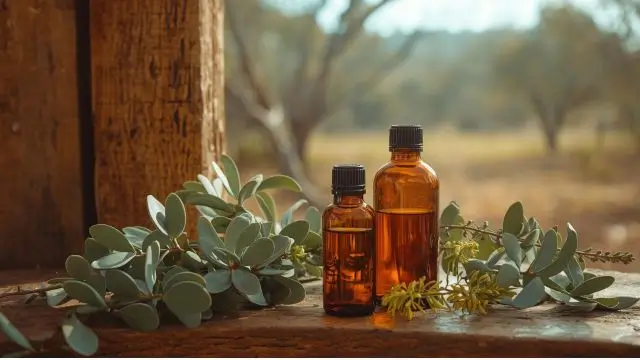
What Makes Australian Native Essential Oils Unique?
Australian essential oils are unique because many come from plants that are deeply connected to the Australian landscape. Oils such as tea tree, eucalyptus, lemon myrtle, blue cypress, kunzea, and rosalina are not simply popular aromatherapy ingredients; they reflect the country’s forests, coastlines, dry bushland, and botanical diversity.
Many Australian native plants belong to aromatic plant families such as Myrtaceae, which includes tea tree, eucalyptus, lemon myrtle, rosalina, fragonia, niaouli-type oils, and several fragrant shrubs. These plants often produce strong volatile compounds in their leaves, giving the oils clear, fresh, camphoraceous, lemony, medicinal, or herbaceous aromas.
Other Australian oils, such as blue cypress, buddha wood, and Australian sandalwood, bring a completely different character. These oils are deeper, woodier, smokier, and more grounding, making them useful for base notes, natural perfume blends, meditation blends, and earthy diffuser formulas.
- Fresh and cleansing: tea tree, eucalyptus, lemon-scented tea tree, and lemon myrtle
- Soft and floral-herbal: rosalina, fragonia, kunzea, and boronia
- Woody and grounding: blue cypress, buddha wood, and Australian sandalwood
- Bright and lemony: lemon myrtle, anise myrtle, and lemon-scented tea tree
Iconic Australian Essential Oils to Know
The oils below are some of the best Australian native essential oils to explore first. Some are widely known around the world, while others still feel rare and distinctive outside specialist aromatherapy circles.
- Tea Tree Essential Oil: One of Australia’s best-known essential oils, steam distilled from Melaleuca alternifolia. With a fresh, medicinal, green, slightly camphoraceous aroma, tea tree is widely recognized for its antimicrobial, antibacterial, antifungal, and anti-inflammatory properties in aromatherapy and topical wellness use. It is commonly used in acne care, blemish formulas, scalp products, skin cleansing blends, fungal foot care, and preparations aimed at minor skin irritations, always properly diluted.
- Eucalyptus Essential Oil: A classic Australian essential oil family with many species and chemotypes, known for its fresh, penetrating, camphoraceous aroma. Eucalyptus oils are widely used in aromatherapy and topical wellness blends for their association with clear breathing, respiratory comfort, muscle relief, and cooling body care. Often described as having decongestant, anti-inflammatory, and analgesic qualities, they are commonly used in chest rubs, steam inhalation blends, diffuser formulas, massage oils, seasonal wellness blends, and muscle-comfort preparations when appropriately diluted.
- Lemon Myrtle Essential Oil: A highly aromatic Australian native oil from Backhousia citriodora, prized for its intense lemon scent and naturally high citral content. Often described as having strong antimicrobial, cleansing, and refreshing qualities, lemon myrtle is commonly used in natural cleaning blends, respiratory diffuser formulas, air fresheners, and carefully diluted skincare preparations for oily or blemish-prone skin. Because of its potency and citral content, it should be used with particular attention to low dilution and skin safety.
- Blue Cypress Essential Oil: A unique Australian wood oil from Callitris intratropica, prized for its natural blue color, rich woody aroma, and reputation in topical wellness blends. Often associated with soothing, anti-inflammatory, and antimicrobial qualities, blue cypress is commonly used in skin care, massage oils, body blends, and calming aromatic formulas, particularly where a cooling, comforting, or grounding character is desired.
- Kunzea Essential Oil: A native Australian essential oil with a fresh, herbaceous, slightly spicy aroma. In aromatherapy, kunzea is often described as having analgesic, anti-inflammatory, and comforting properties, and in Australia it is commonly used in massage oils, muscle rubs, joint blends, and topical formulas for sore muscles, stiffness, tension, and physical discomfort. Its lighter Australian bush aroma also makes it useful in diffuser and outdoor blends.
- Rosalina Essential Oil: Sometimes called lavender tea tree, rosalina is steam distilled from Melaleuca ericifolia. Its aroma is softer and sweeter than tea tree, combining gentle herbal, tea tree-like, and lavender-like notes from its naturally linalool-rich profile. Rosalina is often valued for its combination of respiratory, calming, and skin-supportive uses. Commonly described as having antibacterial, anti-inflammatory, and soothing properties, it is used in gentle respiratory blends, diffuser formulas for relaxation, and skincare preparations for blemishes, irritated skin, or minor everyday skin complaints.
- Fragonia Essential Oil: Distilled from Agonis fragrans, fragonia has a balanced, fresh, floral, herbaceous aroma. It is often valued in aromatherapy for gentle diffuser blends, emotional balance blends, and skin care formulations when diluted correctly.
- Buddha Wood Essential Oil: A rich, smoky, dry, woody oil distilled from Eremophila mitchellii. It works beautifully as a base note in grounding blends, natural perfumes, incense-style blends, and masculine or earthy aroma profiles.
- Australian Sandalwood Essential Oil: Distilled from Santalum spicatum, this oil is dry, soft, woody, slightly resinous, and less creamy-sweet than some Indian sandalwood oils. It is excellent in meditation blends, perfume bases, and slow, calming diffuser blends.
- Boronia Absolute: Technically an absolute rather than a steam-distilled essential oil, boronia is included in many aromatic discussions because of its luxurious floral, fruity, tea-like aroma. It is prized in natural perfumery but used in tiny amounts due to its strength and cost.
Australian Oils by Aroma Family
One of the easiest ways to understand Australian native oils is to group them by aroma family. This makes blending more intuitive and helps you choose oils based on the feeling you want to create.
Fresh, Clean, and Camphoraceous Oils
- Tea tree: green, medicinal, cleansing, and sharp
- Eucalyptus globulus: bold, penetrating, camphoraceous, and cooling
- Eucalyptus radiata: softer and more rounded than globulus, often easier in diffuser blends
- Niaouli: fresh, cineole-rich, and slightly sweet-medicinal
Lemony and Uplifting Oils
- Lemon myrtle: intensely lemony, sweet, bright, and powerful
- Lemon-scented tea tree: lemony, fresh, slightly tea tree-like, and vibrant
- Anise myrtle: sweet, licorice-like, warm, and unusual
Soft Herbal and Floral Oils
- Rosalina: soft, floral-herbal, linalool-rich, and gentle in aroma
- Fragonia: fresh, balanced, floral, and lightly herbaceous
- Kunzea: airy, herbal, slightly spicy, and bush-like
- Boronia: floral, fruity, tea-like, sweet, and highly concentrated
Woody, Smoky, and Grounding Oils
- Blue cypress: blue-colored, smoky, woody, and resinous
- Buddha wood: dry, smoky, earthy, and meditative
- Australian sandalwood: soft, dry, woody, and lingering
How to Blend Australian Native Essential Oils
Australian native oils can smell bold on their own, but they blend beautifully when used with balance. The brighter oils, such as lemon myrtle and eucalyptus, often work best in small amounts, while woody oils such as blue cypress, buddha wood, and Australian sandalwood can anchor the blend.
- For a clean diffuser blend: try eucalyptus, tea tree, rosalina, and a small amount of lemon myrtle.
- For a grounding evening blend: combine blue cypress, Australian sandalwood, buddha wood, and lavender.
- For a bright Australian bush blend: use kunzea, lemon-scented tea tree, eucalyptus radiata, and rosalina.
- For a natural perfume base: pair buddha wood or sandalwood with blue cypress, boronia, and a tiny touch of lemon myrtle.
Simple Australian Diffuser Blend Ideas
Use these as aromatic inspiration, adjusting drop counts for your diffuser size and room. Start low, especially with strong oils.
- Fresh Bush Air: 2 drops eucalyptus radiata, 1 drop tea tree, 1 drop rosalina, 1 drop lemon myrtle
- Blue Forest: 2 drops blue cypress, 2 drops lavender, 1 drop Australian sandalwood
- Soft Herbal Calm: 2 drops rosalina, 2 drops fragonia, 1 drop kunzea
- Deep Wood Grounding: 2 drops buddha wood, 1 drop blue cypress, 1 drop frankincense, 1 drop cedarwood
For skin use, always dilute essential oils properly in a carrier oil and check the safety profile of each oil before applying it topically.
Best Uses for Australian Native Essential Oils
Australian oils are especially useful when you want a blend that feels fresh, outdoorsy, botanical, and less predictable than standard citrus-lavender combinations. Their strong aromatic profiles make them valuable in many natural home and body care projects.
Diffuser Blends
Eucalyptus, rosalina, kunzea, fragonia, blue cypress, and Australian sandalwood are excellent choices for diffuser blends. Use lemon myrtle sparingly because its aroma is very strong and can dominate a blend quickly.
Room Sprays and Cleaning Blends
Tea tree, eucalyptus, lemon myrtle, and lemon-scented tea tree are common choices for fresh-smelling household sprays. They give a clean, crisp aroma, but essential oil sprays still need careful formulation, proper dilution, and safe storage.
Massage and Body Oils
Blue cypress, kunzea, rosalina, fragonia, and Australian sandalwood can be beautiful in massage oils when diluted correctly. For adult body oils, many home formulators start around 1% dilution, especially when working with unfamiliar or potent oils.
Balms and Salves
Woody and herbal Australian oils can add depth to balms, especially formulas designed for a warming, grounding, or outdoorsy aromatic feel. Kunzea, blue cypress, eucalyptus, and sandalwood can be considered in carefully diluted balm recipes.
Natural Perfumery
Boronia absolute, blue cypress, buddha wood, Australian sandalwood, and lemon myrtle can create uniquely Australian perfume accords. Use boronia and lemon myrtle in tiny amounts because both can easily overpower a blend.
Safety Notes for Australian Essential Oils
Australian native essential oils are natural, but they are also concentrated aromatic materials. Some are gentle in aroma, while others are very strong or rich in constituents that require extra care.
- Always dilute before skin use: essential oils should not be applied neat to the skin.
- Use lemon myrtle carefully: because it is rich in citral, it should be used at low dilution and avoided on sensitive or irritated skin unless you are following a reliable safety guideline.
- Respect eucalyptus strength: eucalyptus oils can be very penetrating and may not be suitable for young children, certain respiratory sensitivities, or some household situations.
- Patch test new blends: especially when using oils such as tea tree, lemon myrtle, blue cypress, kunzea, or fragonia in topical formulas.
- Keep away from pets: many essential oils can be problematic for cats, dogs, birds, and small animals, especially in enclosed rooms.
- Store properly: keep oils in dark glass bottles, tightly capped, away from heat, sunlight, and children.
Final Thoughts
Australian native essential oils are more than a novelty category. They offer a vivid aromatic picture of the Australian landscape, from fresh eucalyptus forests and lemony rainforest leaves to smoky woods and soft floral shrubs. Used thoughtfully, they can add depth, freshness, regional character, and botanical interest to diffuser blends, body care, natural perfumery, and handmade remedies.
Australian native essential oils are aromatic oils distilled from plants that grow naturally in Australia. They include well-known oils such as tea tree and eucalyptus, along with more distinctive oils such as blue cypress, kunzea, lemon myrtle, rosalina, fragonia, buddha wood, and Australian sandalwood.
Tea tree essential oil is probably the best-known Australian essential oil worldwide. It is steam distilled from <em>Melaleuca alternifolia</em> and is widely used in aromatherapy, skin care, scalp products, cleansing blends, and natural home care formulas when properly diluted.
Blue cypress essential oil has a deep blue color because it naturally contains guaiazulene, a blue aromatic compound also associated with oils such as German chamomile and blue tansy. This makes blue cypress visually distinctive as well as aromatically unique, with smoky, woody, and resinous notes.
Lemon myrtle essential oil usually smells much stronger and more intensely lemony than regular lemon essential oil. Lemon essential oil is cold pressed from citrus peel, while lemon myrtle is steam distilled from aromatic leaves and is naturally rich in citral, which gives it a powerful lemon-like aroma.
Some Australian essential oils can be used in topical blends, but they must be diluted properly and selected with safety in mind. Tea tree, kunzea, rosalina, fragonia, blue cypress, and sandalwood are often used in body care, while stronger oils such as lemon myrtle require very low dilution.
Australian essential oils blend well with lavender, frankincense, cedarwood, sandalwood, vetiver, citrus oils, and other fresh herbal oils. Eucalyptus and tea tree add clarity, lemon myrtle adds brightness, rosalina and fragonia soften blends, while blue cypress, buddha wood, and sandalwood provide grounding base notes.