

Lemon Balm Benefits & Uses (Melissa officinalis)

Lemon balm is a soft, leafy perennial herb in the mint family known for its fresh lemon fragrance and bright green leaves. Native to southern Europe and the Mediterranean region, it has long been cultivated in herb gardens for both its pleasant aroma and its traditional uses in herbal teas and household preparations.

For centuries lemon balm has been included in European herbal traditions where it was commonly infused as a tea or blended with other gentle herbs. Because of its pleasant taste and calming fragrance, it remains one of the most familiar herbs used in traditional botanical infusions and cottage garden plantings.

The Lemon Balm plant is steam distilled to produce Lemon Balm Essential Oil which promotes calm and has a beautiful soft lemon scent.

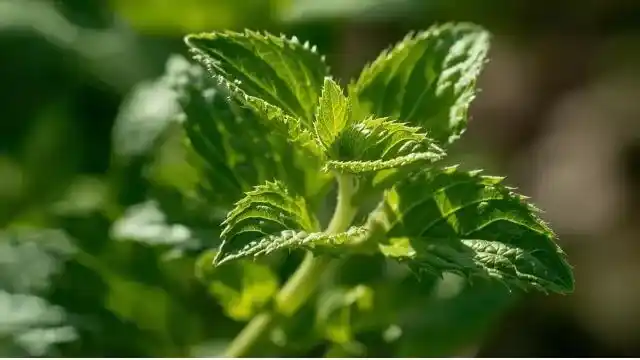
Lemon Balm Benefits and Traditional Uses

Lemon balm has traditionally been used to support:

  • Relaxation and restful evenings
  • Herbal teas and infusions
  • Digestive comfort
  • Traditional household preparations
  • Gentle aromatic herbal blends
  • Traditional herbal approaches related to thyroid balance

Lemon balm has a long history of use in European herbal traditions where it was widely valued for its fresh scent and pleasant flavor. It became especially well known as a household herb for teas, cordials, and gentle botanical infusions used in daily life.

In traditional herbalism, lemon balm has also been referenced in relation to thyroid balance, particularly in older European herbal practices. These uses form part of its broader role as a calming and restorative herb within traditional systems.

Lemon balm has long been treasured in household herbal traditions for its fresh fragrance and gentle place in botanical infusions.

— Traditional herbal reference

Lemon Balm Preparation Methods

Lemon balm can be prepared in several traditional ways:


Herbal Tea

Fresh or dried lemon balm leaves are commonly steeped in hot water to prepare a fragrant herbal infusion.

Part of the plant used: Leaves

Tincture

The leaves may be prepared as an alcohol extract for use in concentrated traditional herbal preparations.

Part of the plant used: Leaves

Infused Syrup

Lemon balm leaves may be infused into syrups and cordials for fragrant household preparations.

Part of the plant used: Leaves

Fresh Leaf Infusion

Fresh leaves are often bruised or chopped before steeping to release their aromatic oils in teas and infusions.

Part of the plant used: Leaves


Growing Lemon Balm

Lemon balm is an easy-to-grow perennial herb that forms soft clumps of fragrant leaves and spreads readily in favorable conditions. It is often grown in herb gardens, raised beds, and containers where its bright green foliage and pleasant scent can be enjoyed.

  • Prefers full sun to partial shade
  • Grows best in moist, well-drained soil
  • Benefits from regular watering during dry periods
  • Suitable for USDA hardiness zones 4–9 in the United States
  • Commonly grown in temperate regions of the United States

Lemon balm can spread vigorously by seed and root growth, so occasional trimming helps keep plants compact and productive.


Safety Considerations

Lemon Balm has a long history of traditional use, however care should always be taken when using herbal plants.

However:

  • Lemon balm is generally considered gentle when used appropriately in traditional preparations.
  • Some herbal sources suggest that lemon balm may influence thyroid-related processes, particularly in traditional contexts.
  • Individuals with thyroid conditions, including hypothyroidism, should use caution and may wish to avoid regular or concentrated use unless guided by a qualified healthcare professional.
  • Pregnant or breastfeeding individuals should consult a qualified healthcare professional before using lemon balm in concentrated forms.
  • Always consult a qualified healthcare professional before using herbs for health purposes.

This information is provided for educational purposes only and is not medical advice.

Image Disclaimer: Images are for reference only and should not be used as the sole method of identification. Always confirm identification with a qualified source.
Frequently Asked Questions
What is lemon balm traditionally used for?

Lemon balm is traditionally used for calm, digestive comfort, and gentle nervous system support. It is a bright, lemon-scented herb from the mint family.

Which part of lemon balm is used?

The leaves and aerial parts are used, preferably when fresh or freshly dried. The fragrant leaves are the most valued part.

How is lemon balm commonly prepared?

Lemon balm is commonly prepared as tea, tincture, glycerite, infused oil, and bath or skincare products. Tea is one of the most popular forms.

Can lemon balm be taken for relaxation?

Yes, lemon balm is widely associated with calm and relaxation. It is often included in evening teas and gentle herbal blends.

Does lemon balm combine well with other calming herbs?

Yes, lemon balm is often blended with herbs such as chamomile, lavender, and passionflower in traditional calming formulas.

Can Lemon Balm be grown in the United States?

Lemon balm grows in many temperate parts of the United States and is commonly cultivated in home gardens, especially in the Northeast, Midwest, and Pacific Northwest. It may occasionally self-seed outside cultivation, but it is usually harvested from the garden rather than truly wild-foraged.

Lemon Balm Plant and Tea Benefits

Help Us Improve the Lemon Balm Page

Do you grow, photograph, study, or work with this plant?

If you have an accurate photo, growing experience, traditional use note, identification detail, correction, or useful source to share, we would love to hear from you.

Your contribution may help improve the accuracy, usefulness, and educational value of this page for other readers.


Share a photo, correction, or plant note →

Botanical Overview

  • Botanical name: Melissa officinalis
  • Family: Lamiaceae
  • Plant type: Perennial herb
  • Native region: Southern Europe and the Mediterranean region
  • Common names: Lemon balm, balm, common balm