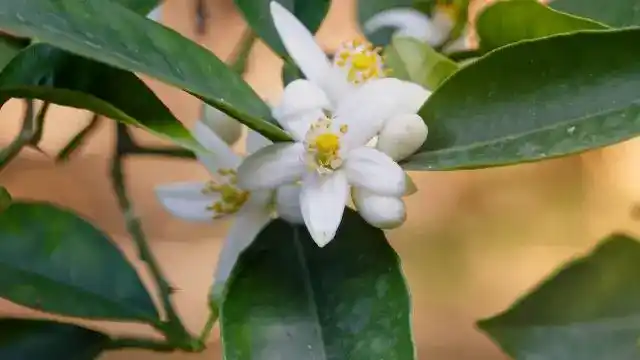

Neroli Benefits & Uses (Citrus aurantium var. amara)

Neroli (Citrus aurantium var. amara) is a member of the Rutaceae family and is commonly described as a evergreen aromatic tree. Native to Southeast Asia, widely cultivated in the Mediterranean region, it is known for fragrant white blossoms, glossy evergreen leaves, and bitter orange fruit. The part most often used in traditional preparations is the flowers.

In traditional herbal and culinary practice, bitter orange blossoms have been used in orange flower water, light floral teas, bath preparations, and perfumed household remedies. The blossoms are especially prized for their delicate scent and their association with calming botanical traditions.

Neroli essential oil is made from the steam distilled flowers.

Neroli Benefits and Traditional Uses

Neroli has traditionally been used to support:

  • Aromatic floral waters
  • Traditional calming teas from blossoms
  • Perfumed syrups and cordials
  • Digestive bitters from related plant parts
  • Herbal bath preparations
  • Traditional orange blossom infusions

The blossoms of bitter orange have been treasured in Mediterranean and Middle Eastern traditions for their fragrance and for use in orange flower water, perfumery, and gentle household herbal preparations.

““Orange flowers are much prized for their exquisite perfume and their use in distilled waters.””

“Orange flowers are much prized for their exquisite perfume and their use in distilled waters.”

— Mrs. M. Grieve, A Modern Herbal

Neroli Preparation Methods

Neroli can be prepared in several traditional ways:


Orange Blossom Tea

Fresh or dried blossoms may be infused in hot water for a delicate traditional floral tea.

Part of the plant used: Flowers

Floral Water

The blossoms may be distilled to create orange flower water for culinary and aromatic use.

Part of the plant used: Flowers

Bath Infusion

The flowers may be added to bath preparations for their fragrance.

Part of the plant used: Flowers

Infused Honey or Syrup

Orange blossoms may be used in small amounts in traditional syrups or honey infusions.

Part of the plant used: Flowers

Facial Oil

Neroli Essential Oil can be used in a Neroli facial oil

Part of the plant used: Flowers


Growing Neroli

Neroli comes from the bitter orange tree, an evergreen citrus grown for its fragrant blossoms and sour fruit. In the United States, it is best suited to warm citrus-growing regions or protected container culture.

  • Prefers full sun and a warm, frost-free climate
  • Grows best in fertile, well-drained soil
  • Needs regular watering, especially while establishing and during dry periods
  • Suitable for USDA zones 9–11 outdoors
  • Best grown in California, Florida, the Gulf Coast, or in containers in cooler regions

Because bitter orange is sensitive to prolonged frost, container growing is often the best option outside warm citrus zones. Blossoms are usually harvested in spring.


Safety Considerations

Bitter orange blossom has a long traditional history, but different parts of the plant have different safety considerations.

However:

  • Blossom preparations are generally milder than peel or concentrated bitter orange extracts, but sensitive individuals should still use caution.
  • Individuals with citrus allergies should avoid use.
  • Topical floral waters or infused products may irritate sensitive skin, so patch testing is recommended.
  • Pregnant or breastfeeding individuals should consult a qualified healthcare professional before medicinal use.
  • Concentrated bitter orange products may interact with some medications, so professional guidance is appropriate for therapeutic use.

This information is provided for educational purposes only and is not medical advice.

Image Disclaimer: Images are for reference only and should not be used as the sole method of identification. Always confirm identification with a qualified source.
Frequently Asked Questions
What is neroli?

Neroli usually refers to the blossoms of bitter orange, Citrus aurantium var. amara. The flowers are valued in traditional floral waters, teas, and aromatic preparations.

What part of the neroli plant is used?

The flowers are the most closely associated part. The leaves, peel, and fruit of bitter orange also have traditional uses, but neroli usually refers to the blossoms.

Can neroli be used as a tea?

Yes. Bitter orange blossoms may be prepared as a light floral infusion in traditional herbal practice.

Can neroli grow in the United States?

The bitter orange tree can grow outdoors in warm US regions such as parts of Florida and California. In cooler climates, it is better grown in a container.

Is neroli the same as orange blossom?

Yes, neroli is commonly used to describe the blossoms of bitter orange and preparations made from them, especially in perfumery and floral waters.

Are there safety concerns with neroli?

Simple blossom preparations are generally approached more gently than concentrated bitter orange extracts, but citrus sensitivity and topical irritation are still possible.

Neroli Plant Benefits and How to Use

Help Us Improve the Neroli Page

Do you grow, photograph, study, or work with this plant?

If you have an accurate photo, growing experience, traditional use note, identification detail, correction, or useful source to share, we would love to hear from you.

Your contribution may help improve the accuracy, usefulness, and educational value of this page for other readers.


Share a photo, correction, or plant note →

Botanical Overview

  • Botanical name: Citrus aurantium var. amara
  • Family: Rutaceae
  • Plant type: Citrus blossom
  • Native region: Southeast Asia, widely cultivated in the Mediterranean region
  • Common names: Bitter orange blossom, orange blossom, Seville orange blossom