

Caraway Uses & How to Use It (Carum carvi)

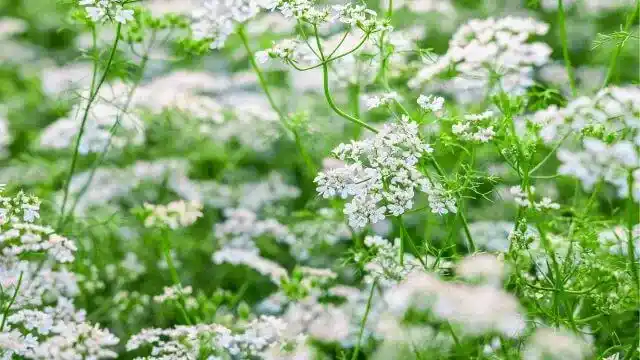
Caraway (Carum carvi) is an aromatic biennial herb in the Apiaceae family. Native to Europe, western Asia, and parts of North Africa, it produces finely divided foliage, small umbels of white flowers, and strongly fragrant seeds. The seeds are the part most commonly used in culinary and herbal preparations.

Traditionally, caraway has been used as a digestive herb and warming spice. It is commonly prepared in teas, digestive blends, and household remedies, and it is also widely used in breads, cheese, and other foods.

Because it belongs to the carrot family, care should be taken to avoid confusion with poisonous look-alike plants when foraging wild umbels.

Caraway Benefits and Traditional Uses

Caraway has traditionally been used to support:

  • Traditional digestive herbal teas
  • Warming spice blends
  • Herbal preparations after meals
  • Aromatic household remedies
  • Traditional support for digestive comfort
  • Culinary and herbal seed use

Historically, caraway has been valued across Europe as both a kitchen spice and a traditional digestive herb, especially in teas and after-dinner preparations.

“Caraway has long been both a kitchen seed and a valued household herb in European tradition.”

— Traditional European herbal reference

Caraway Preparation Methods

Caraway can be prepared in several traditional ways:


Tea

Crushed caraway seeds may be steeped in hot water for a traditional aromatic tea.

Part of the plant used: Seeds

Infusion Blend

Caraway is often combined with fennel or anise in digestive seed blends.

Part of the plant used: Seeds

Tincture

The seeds may be extracted in alcohol for concentrated herbal use.

Part of the plant used: Seeds

Culinary Use

Caraway seeds are commonly added to breads, stewed dishes, and pickled foods.

Part of the plant used: Seeds


Growing Caraway

Caraway is a biennial herb that forms leafy growth in its first season and flowers and seeds in its second season.

  • Prefers full sun
  • Grows best in well-drained, moderately fertile soil
  • Suitable for USDA growing zones 4–9
  • Can be grown in many temperate parts of the United States
  • Performs best where summers are not excessively humid

Caraway develops a long taproot and does best when sown directly where it is to grow. Allow some plants to mature fully if seed harvest is desired.


Safety Considerations

Caraway has a long history of culinary and traditional herbal use, however concentrated preparations should still be used with care.

However:

  • Individuals sensitive to plants in the Apiaceae family should use caution.
  • Highly concentrated essential oil is much stronger than the culinary seed and should be used appropriately.
  • Large amounts may cause digestive upset in some individuals.
  • Pregnant or breastfeeding individuals should consult a qualified healthcare professional before using concentrated herbal extracts.
  • Care should be taken with wild carrot-family plants because some look-alikes are poisonous.
  • Always consult a qualified healthcare professional before using herbs for health purposes.

This information is provided for educational purposes only and is not medical advice.

Image Disclaimer: Images are for reference only and should not be used as the sole method of identification. Always confirm identification with a qualified source.
Frequently Asked Questions
What is caraway traditionally used for?

Caraway is traditionally used as an aromatic seed in digestive teas, spice blends, and after-meal herbal preparations. It is also widely used in baking and savory cooking.

What part of caraway is used?

The seeds are the main part used in both herbal and culinary preparations. The leaves can also be used in small amounts, but the seed is the best-known portion.

Is caraway used in cooking?

Yes, caraway is widely used in cooking, especially in breads, cheeses, pickles, and savory dishes. Its warm aromatic flavor also makes it popular in traditional digestive blends.

Can caraway grow in the United States?

Yes, caraway can be grown in many temperate parts of the United States. It performs best in full sun with well-drained soil and enough time to complete its two-year growth cycle.

Is caraway related to fennel?

Caraway and fennel are different plants, but both belong to the Apiaceae family and are often used in similar aromatic seed blends. They are frequently discussed together in traditional digestive herbal practice.

Can you make caraway tea?

Yes, crushed caraway seeds can be steeped in hot water to prepare a traditional herbal tea. This is one of the most common household uses of the herb.

Caroway Benefits, Features and Medicinal Uses

Help Us Improve the Caraway Page

Do you grow, photograph, study, or work with this plant?

If you have an accurate photo, growing experience, traditional use note, identification detail, correction, or useful source to share, we would love to hear from you.

Your contribution may help improve the accuracy, usefulness, and educational value of this page for other readers.


Share a photo, correction, or plant note →

Botanical Overview

  • Botanical name: Carum carvi
  • Family: Apiaceae
  • Plant type: Biennial herb
  • Native region: Europe, western Asia, and North Africa
  • Common names: Caraway seed, meridian fennel, Persian cumin