

Tea tree essential oil is a strong, fresh, medicinal-scented oil often used in cleansing blends, scalp care, foot care, oily-skin recipes, natural cleaning sprays, and fresh home fragrance. Because tea tree has a sharper aroma and can feel strong on sensitive skin, it is best used in careful dilutions rather than heavy amounts. This guide explains how to use tea tree essential oil safely, including dilution tips, diffuser amounts, topical cautions, blending ideas, and practical ways to use it in everyday DIY recipes.
How to Use Tea Tree Essential Oil
How to Use Tea Tree Essential Oil in a Diffuser
Tea Tree Essential Oil has a sharp, fresh, medicinal-herbal aroma that works best in diffuser blends when you want a clean, clarifying, spa-like scent. It is not usually chosen as a soft background fragrance in the same way as Lavender or Sweet Orange, but it can be very useful in fresh herbal, seasonal, bathroom, laundry room, and cleaning-style diffuser blends.
For most water-based diffusers, use about 2–5 drops total essential oil, adjusting the amount for room size, ventilation, and personal scent preference. Tea tree can dominate a blend quickly, so it is often best used as one part of a formula rather than the whole diffuser blend.
Good diffuser pairings include:
- Tea Tree + Lemon for a bright, clean household aroma
- Tea Tree + Eucalyptus for a crisp seasonal shower-spa scent
- Tea Tree + Lavender for a softer herbal-floral balance
- Tea Tree + Peppermint for a fresh, cooling, clarifying blend
- Tea Tree + Rosemary for a stronger green-herbal aroma
Diffuse tea tree in short sessions, such as 20–45 minutes at a time, especially in smaller rooms. Use extra care around babies, young children, pets, and people who are sensitive to strong aromas.
How to Use Tea Tree Essential Oil Topically
Tea Tree Essential Oil is most often used topically in diluted products rather than applied straight to the skin. Its strong herbal aroma and powerful character make it especially popular in blemish blends, foot balms, scalp oils, body washes, salves, roll-ons, cleansing creams, and targeted skin care recipes.
Common carrier options include:
- Jojoba oil for facial and blemish-prone skin formulas
- Grapeseed oil for light body oils and scalp blends
- Fractionated coconut oil for roll-ons and massage blends
- Sweet almond oil for body care products
- Olive oil or infused herbal oils for salves and balms
For leave-on facial products, many makers prefer lower dilutions such as 0.5–1%. For short-term targeted body or foot care blends, 1–3% may be used depending on the product, skin sensitivity, and purpose.
Tea tree oil should be patch tested before wider use and should not be applied to the eyes, inside the nose, inside the ears, mucous membranes, broken skin, or deep wounds. Avoid using old or oxidized tea tree oil on the skin.
How to Use Tea Tree Essential Oil for Skin
Tea Tree Essential Oil is one of the most searched essential oils for skin care because it is strongly associated with blemish-prone skin, oily skin formulas, cleansing products, and targeted skin blends. It is commonly used in facial oils, diluted spot roll-ons, cleansing balms, clay masks, body washes, foot creams, and homemade salves.
Popular skin care uses include:
- Diluted blemish roll-ons for occasional targeted use
- Facial oils made with lightweight carriers such as jojoba or grapeseed oil
- Clay masks for oily or congested-looking skin
- Body washes and shower products with a fresh herbal aroma
- Foot creams, foot balms, and nail-area care blends
- Salves and balms where a sharper cleansing aroma is desired
Tea tree is not automatically suitable for every skin type. Dry, irritated, eczema-prone, or highly sensitive skin may react poorly to strong essential oils, especially at higher dilutions. For facial use, start low, keep the formula simple, and avoid layering tea tree with multiple other strong essential oils at the same time.
How to Use Tea Tree Essential Oil for Hair
Tea Tree Essential Oil is a popular choice for scalp and hair care products because its crisp herbal aroma suits shampoos, scalp oils, scalp scrubs, hair masks, and rinse-off products. It is often selected for oily scalp blends, itchy-feeling scalp routines, clarifying shampoos, and fresh herbal hair care formulas.
Common ways to use tea tree in hair care include:
- Adding a properly diluted amount to a scalp massage oil
- Using it in homemade scalp serums with jojoba or grapeseed oil
- Including it in shampoo bars, liquid shampoo, or rinse-off scalp products
- Blending it into hair masks where the product is washed out afterward
- Pairing it with Rosemary, Lavender, Cedarwood, Peppermint, or Eucalyptus in scalp blends
For scalp products, 0.5–2% is a common working range depending on whether the product is rinse-off or leave-on. Avoid getting tea tree oil near the eyes, and do not use it on irritated or scratched scalp areas without appropriate guidance.
How to Use Tea Tree Essential Oil in Bath Products
Tea Tree Essential Oil can be used in bath and shower products, but it is usually better suited to shower steamers, foot soaks, cleansing body products, and targeted bath blends rather than soft floral relaxation baths. Its aroma is strong, medicinal, and fresh, so a little goes a long way.
Good bath and shower uses include:
- Shower steamers with Eucalyptus, Peppermint, or Lemon
- Foot soak blends with Epsom salt and a proper dispersing ingredient
- Body scrubs for feet, elbows, and rough skin areas
- Rinse-off shower oils or cleansing products
- Fresh herbal bath salts when carefully diluted and dispersed
Do not add neat drops of tea tree oil directly into bath water. Essential oils do not dissolve in water and can sit on the surface where they may irritate the skin. Blend tea tree into a suitable carrier, solubilizer, emulsified product, or properly formulated bath preparation before adding it to bath water.
How to Use Tea Tree Essential Oil Around the Home
Tea Tree Essential Oil is very useful in home fragrance and natural cleaning-style recipes because it has a sharp, clean, herbal aroma that suits bathrooms, laundry areas, trash bins, closets, cleaning sprays, and deodorizing blends. It is especially good when you want a formula to smell fresh, practical, and functional rather than sweet or perfume-like.
Common home uses include:
- Room sprays for bathrooms and utility areas
- Laundry aroma blends
- DIY cleaning sprays where essential oils are used for scent
- Deodorizing blends for bins, shoes, closets, and storage areas
- Reed diffuser or wax melt blends with a fresh herbal profile
- Kitchen and bathroom aroma blends with citrus oils
Tea tree blends especially well with Lemon, Eucalyptus, Peppermint, Rosemary, Lavender, Lemongrass, Cedarwood, and Sweet Orange. Use appropriate formulation methods for household products, and keep concentrated essential oils away from children and pets.
Ready to try Tea Tree (Essential Oil) in recipes and DIY projects?
Explore aromatherapy blends, skincare ideas, bath products, diffuser recipes, and natural remedies featuring Tea Tree (Essential Oil).
How to Use Tea Tree Essential Oil for Blemish-Prone Skin
Tea Tree Essential Oil is frequently used in natural routines for blemish-prone skin because it fits well into targeted, cleansing-style formulas. It works best when used in a simple diluted product rather than applied neat to the skin.
Popular ways to use tea tree for blemish-prone skin include:
- A 10 ml jojoba oil roll-on with a low percentage of tea tree essential oil
- A light facial oil used only on oily or congested-looking areas
- A clay mask where the essential oil is well dispersed before use
- A cleansing balm or rinse-off cleanser for oily skin routines
- A simple spot blend combined with Lavender, Rosemary, or Clary Sage at skin-safe levels
For facial use, lower is usually better. Many people start around 0.5–1% for leave-on facial products. Stronger is not always better, and overuse may leave the skin feeling dry, tight, or irritated.
Tea tree should not be used close to the eyes or on picked, bleeding, or broken blemishes. Patch test first and discontinue use if redness, stinging, burning, or irritation occurs.
How to Use Tea Tree Essential Oil for Scalp Care
Tea Tree Essential Oil is commonly included in scalp care routines where people want a fresh, clarifying, herbal product. It can be used in scalp oils, shampoo blends, scalp scrubs, and wash-out treatments.
A simple scalp care approach is to dilute tea tree in a lightweight carrier oil such as jojoba, grapeseed, or fractionated coconut oil, then massage a small amount into the scalp before washing. It can also be added to handmade shampoo products when the final formula is properly calculated.
Common scalp pairings include:
- Tea Tree + Rosemary for a strong herbal scalp blend
- Tea Tree + Lavender for a softer scalp oil
- Tea Tree + Cedarwood for a woodsy hair care aroma
- Tea Tree + Peppermint for a cooling, fresh scalp product
Keep scalp products away from the eyes and avoid using tea tree oil on broken, scratched, or very inflamed scalp areas. For leave-on scalp oils, many makers stay around 0.5–1%; rinse-off products may allow a little more depending on the full formula.
How to Use Tea Tree Essential Oil for Foot Care
Tea Tree Essential Oil is especially well suited to foot care because its sharp herbal scent works nicely in foot balms, foot creams, foot soaks, scrubs, shoe sprays, and nail-area blends. It also pairs well with cooling and deodorizing aromas.
Popular foot care uses include:
- Foot balms with shea butter, beeswax, and infused oils
- Foot creams or lotions for daily use
- Foot scrubs with salt, sugar, or pumice-style exfoliants
- Foot soak blends where the essential oil is properly dispersed
- Shoe and foot spray aroma blends
- Nail-area oils used around, not under, the nail
Good blending partners include Peppermint, Eucalyptus, Lemon, Lavender, Cedarwood, and Rosemary. For foot balms and creams, 1–3% is a common adult range depending on sensitivity and how often the product will be used.
Do not apply essential oils between cracked, bleeding, or open skin. People with diabetes, poor circulation, neuropathy, or chronic foot problems should seek professional guidance before using strong essential oil foot products.
Which Tea Tree Essential Oil Should You Use?
Most tea tree essential oil used in aromatherapy comes from Melaleuca alternifolia, an Australian plant known for its fresh, medicinal, camphoraceous, green-herbal aroma. When shopping for tea tree oil, look for the botanical name rather than relying only on the common name.
Tea tree oil is different from other oils that may sound similar, such as manuka, niaouli, cajeput, or lemon tea tree. These oils have their own botanical names, aroma profiles, and formulation uses.
For skin, scalp, foot care, home cleaning aroma blends, and general DIY use, Tea Tree Essential Oil (Melaleuca alternifolia) is the standard choice.
Additional Usage Safety Notes
Tea Tree Essential Oil is a strong essential oil and should be used with sensible dilution, careful storage, and attention to skin sensitivity.
- Do not swallow tea tree essential oil. Internal use can be dangerous.
- Dilute before topical use, especially for facial products, scalp oils, body care, and foot care blends.
- Avoid using old or oxidized tea tree oil on the skin, as oxidation can increase the chance of irritation.
- Keep away from the eyes, inner nose, inner ears, mucous membranes, and broken skin.
- Patch test before wider use, especially on the face or scalp.
- Use extra caution around children, pregnancy, nursing, asthma, fragrance sensitivity, and medical conditions.
- Use caution around pets. Do not apply tea tree oil to pets, and avoid diffusing it in enclosed spaces where animals cannot leave.
Tea tree oil is best used as part of a well-diluted formula. Stronger blends are not automatically more effective and may be more irritating to the skin.
Image Disclaimer: Images are for reference only and should not be used as the sole method of identification. Always confirm identification with a qualified source.
Frequently Asked Questions
Can you put Tea Tree Essential Oil directly on your skin?
It is better to dilute Tea Tree Essential Oil before applying it to the skin. Undiluted use can irritate some people, especially on the face, scalp, or sensitive areas.
How many drops of Tea Tree Essential Oil should I use in a diffuser?
Most people use about 2 to 5 drops total essential oil in a water-based diffuser. Tea tree has a strong aroma, so it is often best blended with oils such as lemon, eucalyptus, lavender, peppermint, or rosemary.
Is Tea Tree Essential Oil good for acne-prone skin?
Tea Tree Essential Oil is commonly used in diluted products for blemish-prone and oily skin, but it should be used carefully. Start with a low dilution, avoid the eye area, and stop using it if irritation occurs.
Can I use Tea Tree Essential Oil in shampoo?
Tea Tree Essential Oil can be used in properly diluted hair and scalp products, including shampoo-style formulas. It should be well mixed into the finished product and kept away from the eyes.
Can Tea Tree Essential Oil be used in the bath?
Tea Tree Essential Oil should not be dropped directly into bath water. It needs to be diluted or dispersed in a suitable bath product, carrier, solubilizer, or emulsified formula first.
Is Tea Tree Essential Oil safe around pets?
Use tea tree oil very cautiously around pets. Do not apply it to animals, and avoid diffusing it in enclosed rooms where pets cannot leave. Ask a veterinarian for pet-specific safety advice.
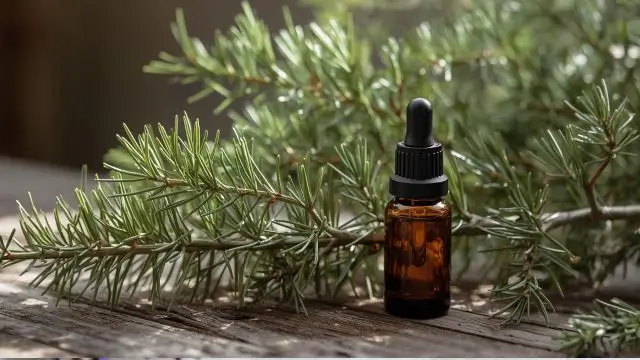
Ready to try Tea Tree (Essential Oil) in recipes and DIY projects?
Explore aromatherapy blends, skincare ideas, bath products, diffuser recipes, and natural remedies featuring Tea Tree (Essential Oil).