

Frankincense Essential Oil is one of the most widely used oils in aromatherapy, skincare, meditation, and natural wellness routines. Known for its rich, resinous aroma and long history of traditional use, frankincense oil is commonly added to diffuser blends, facial oils, massage preparations, bath products, and grounding rituals. People often use frankincense for its calming scent, sophisticated blend profile, and versatility in both beauty and aromatherapy recipes. This guide explores practical ways of how to use Frankincense Essential Oil safely, including dilution tips, blending suggestions, skincare applications, and everyday home uses.
How to Use Frankincense Essential Oil
How to Use Frankincense Essential Oil in a Diffuser
Frankincense Essential Oil has a resinous, warm, balsamic aroma that is often used in diffuser blends for meditation, quiet evenings, spiritual practices, and grounding home fragrance. Most people use about 3–6 drops in a water-based diffuser.
Frankincense works well in meditation rooms, bedrooms, reading corners, yoga spaces, and calm living areas. It can make citrus oils feel deeper and can soften sharper herbal oils.
Popular diffuser pairings include:
- Frankincense + Bergamot for calm citrus-resin blends
- Frankincense + Lavender for evening relaxation
- Frankincense + Cedarwood for grounding blends
- Frankincense + Sweet Orange for warm, soft room fragrance
- Frankincense + Sandalwood for meditation-style formulas
How to Use Frankincense Essential Oil Topically
Frankincense Essential Oil is commonly used in diluted topical products such as facial oils, body oils, massage blends, balms, creams, salves, roll-ons, and natural perfume blends. It has a warm resinous aroma that works well in both skincare and comfort-style body formulas.
Common carrier oils include:
- Jojoba oil
- Rosehip seed oil
- Argan oil
- Sweet almond oil
- Apricot kernel oil
- Olive oil for salves and balms
Frankincense is often chosen for facial serums, mature skin oils, massage blends, joint comfort-style balms, and grounding pulse point rollers.
How to Use Frankincense Essential Oil for Skin
Frankincense Essential Oil is especially popular in natural skincare because its soft resinous aroma suits facial oils, night creams, mature skin formulas, balms, and botanical beauty products. It blends well with rosehip, jojoba, argan, calendula-infused oil, lavender, geranium, and carrot seed oil.
Common skincare uses include:
- Facial oils and night serums
- Mature skin creams
- Balms and salves
- Cuticle oils
- Body butters
- Natural perfume balms
For facial use, lower dilutions are usually preferred, especially for regular-use products.
How to Use Frankincense Essential Oil for Hair
Frankincense Essential Oil is not usually the first essential oil chosen for hair growth routines, but it can be used in hair, scalp, and beard products when a warm resinous aroma is desired. It blends well with cedarwood, rosemary, lavender, sandalwood, and citrus oils.
Possible hair and grooming uses include:
- Beard oils
- Dry-end hair oils
- Low-dilution scalp oils
- Hair masks with woody or resinous aroma profiles
Use conservative dilutions and avoid applying oily blends too heavily to the scalp.
How to Use Frankincense Essential Oil in Bath Products
Frankincense Essential Oil works beautifully in bath and body products when you want a warm, grounding, spa-like aroma. It is especially suitable for evening baths, meditation baths, body scrubs, bath oils, and relaxing foot soaks.
Popular bath uses include:
- Bath salts with proper dilution or dispersal
- Bath oils
- Body scrubs
- Foot soaks
- Shower steamers blended with citrus or woods
Do not add frankincense essential oil directly to bath water without first diluting or dispersing it in a suitable product.
Ready to try Frankincense (Essential Oil) in recipes and DIY projects?
Explore aromatherapy blends, skincare ideas, bath products, diffuser recipes, and natural remedies featuring Frankincense (Essential Oil).
How to Use Frankincense Essential Oil for Joint Pain and Arthritis Searches
Frankincense Essential Oil is often searched for in relation to joint pain, arthritis, and inflammation. For a safe home aromatherapy approach, it can be used in diluted comfort-style massage oils, balms, or salves, but it should not be presented as a cure or replacement for medical care.
A simple adult body blend could include:
- 1 tablespoon carrier oil
- 2 drops frankincense essential oil
- 1 drop lavender, copaiba, ginger, or cedarwood essential oil if suitable
Massage a small amount into the area for comfort and aroma. Avoid broken skin and stop use if irritation occurs.
How to Use Frankincense Essential Oil for the Face
Frankincense is one of the most popular essential oils for facial oils and mature skin formulas. It should be used at a low dilution in a skin-friendly carrier oil rather than applied neat.
For a simple 1 oz facial oil, blend 1 oz jojoba, rosehip, argan, or apricot kernel oil with 3–6 total drops of essential oil. Frankincense can be used alone or blended with lavender, geranium, carrot seed, or rose absolute depending on the formula style.
How to Use Frankincense Essential Oil for Meditation
Frankincense is a classic meditation oil because of its warm resinous scent and long association with incense, ritual, and quiet reflection. It works well in diffuser blends, personal inhalers, natural perfume oils, and meditation room sprays.
Try diffusing 3 drops frankincense with 2 drops bergamot and 1 drop cedarwood, or use frankincense with sandalwood, myrrh, lavender, or sweet orange for a softer meditation blend.
Which Frankincense Essential Oil Should You Use?
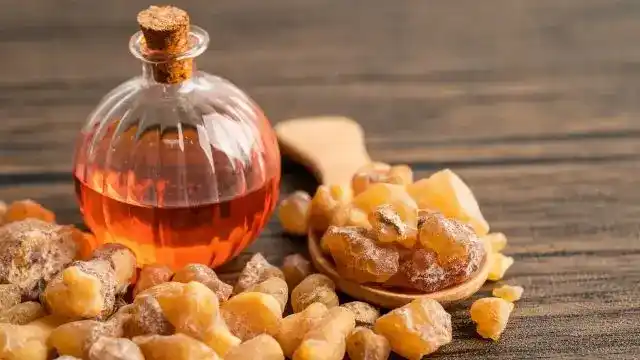
Frankincense essential oil can come from several Boswellia species, including Boswellia carterii, Boswellia sacra, Boswellia serrata, and others. Each can have a slightly different aroma profile, from bright and lemony to deep, resinous, and balsamic.
For general skincare, meditation, and aromatherapy use, choose a high-quality frankincense oil from a reputable supplier and note the botanical name if available.
Additional Usage Safety Notes
Frankincense Essential Oil is widely used in aromatherapy and skincare, but safe use still matters.
- Always dilute before topical use.
- Use low dilutions for facial products.
- Avoid eyes, lips, inside the nose, ears, and sensitive areas.
- Do not use essential oils as a replacement for medical treatment for arthritis, pain, inflammation, or skin conditions.
- Use extra care around children, pregnancy, medical conditions, pets, and fragrance-sensitive individuals.
- Patch test new facial or body products before wider use.
Image Disclaimer: Images are for reference only and should not be used as the sole method of identification. Always confirm identification with a qualified source.
Frequently Asked Questions
How do you use frankincense essential oil on your face?
Dilute frankincense essential oil into a carrier oil such as jojoba, rosehip, argan, or apricot kernel oil. For facial products, low dilutions are usually preferred.
Can you diffuse frankincense essential oil?
Yes. Frankincense essential oil is commonly diffused at about 3–6 drops and blends well with bergamot, lavender, cedarwood, sweet orange, and sandalwood.
How do you use frankincense essential oil for joint pain?
Use frankincense in a properly diluted massage oil, balm, or salve for comfort-style body care. It should not replace medical care for joint pain or arthritis.
Is frankincense essential oil good for skin?
Frankincense is popular in natural skincare, especially facial oils and mature skin formulas, but it still needs to be diluted and patch tested.
Can frankincense essential oil be used for meditation?
Yes. Frankincense has a warm resinous aroma that works well in meditation diffuser blends, personal inhalers, natural perfumes, and quiet evening routines.
Can you take frankincense essential oil internally?
This guide does not recommend internal use. Frankincense essential oil should be used aromatically or properly diluted topically unless guided by a qualified professional.
Ready to try Frankincense (Essential Oil) in recipes and DIY projects?
Explore aromatherapy blends, skincare ideas, bath products, diffuser recipes, and natural remedies featuring Frankincense (Essential Oil).