

Bergamot essential oil has a bright citrus-floral aroma that makes it especially useful in diffuser blends, bath products, massage oils, body care recipes, and natural home fragrance. Because expressed bergamot can be phototoxic on sun-exposed skin, it is important to understand when regular bergamot is suitable and when Bergamot FCF or Bergamot BF is the safer choice. This guide explains how to use bergamot essential oil safely, including dilution tips, diffuser amounts, skincare cautions, blending ideas, and practical ways to enjoy its fresh uplifting scent.
How to Use Bergamot Essential Oil
How to Use Bergamot Essential Oil in a Diffuser
Bergamot Essential Oil is a bright citrus oil with a softer floral edge, making it especially useful in diffuser blends for relaxation, freshening a room, and creating a gentle evening atmosphere. Most people use about 3–6 drops in a water-based diffuser, adjusting the amount for room size, scent strength, and personal sensitivity.
Bergamot works well in bedrooms, living rooms, home offices, meditation spaces, and guest areas because it smells fresh without being as sharp as lemon or as sweet as orange.
Popular diffuser pairings include:
- Bergamot + Lavender for soft evening and sleep-supportive blends
- Bergamot + Frankincense for meditation and quiet reflection
- Bergamot + Cedarwood for grounded citrus-wood aromas
- Bergamot + Clary Sage for relaxed floral-herbal blends
- Bergamot + Sweet Orange for a cheerful citrus blend
Diffusing for 30–60 minutes at a time is usually enough for most rooms.
How to Use Bergamot Essential Oil Topically
Bergamot Essential Oil can be used topically when it is properly diluted in a carrier oil, lotion, cream, balm, massage oil, or body product. It is often chosen when a formula needs a fresh citrus aroma with a softer, more refined scent than lemon or grapefruit.
Common carrier oils include:
- Jojoba oil
- Sweet almond oil
- Fractionated coconut oil
- Apricot kernel oil
- Grapeseed oil
Bergamot is popular in pulse point rollers, massage oils, body lotions, natural perfumes, and calming aromatherapy blends. Because expressed bergamot oil can be phototoxic, the type of bergamot oil matters. For leave-on products used before sun exposure, many formulators choose bergapten-free or FCF bergamot.
How to Use Bergamot Essential Oil for Skin
Bergamot Essential Oil is used in skincare mainly for its fresh aroma and its ability to make facial oils, creams, cleansers, and body care blends feel lighter and more uplifting. It is often included in formulas for oily, combination, or blemish-prone skin, but it should be used with careful dilution.
Common skincare uses include:
- Low-dilution facial oils
- Oil cleansers and cleansing balms
- Light body lotions and creams
- Natural perfume balms
- Evening body oils
For facial products, lower dilutions are usually preferred. If the product will be worn in daylight, use bergapten-free / FCF bergamot or avoid sun exposure after application.
How to Use Bergamot Essential Oil for Hair
Bergamot Essential Oil can be added to hair and scalp products when you want a fresh citrus scent that pairs well with herbal and woody oils. It is not usually the main essential oil for hair growth formulas, but it can support the aroma profile of scalp oils, shampoos, conditioners, and hair masks.
Popular haircare uses include:
- Diluted scalp oils
- Shampoo and conditioner blends
- Hair masks with rosemary, cedarwood, or lavender
- Fresh-smelling hair oils for dry ends
Use low dilutions for scalp products, and avoid getting essential oil blends near the eyes.
How to Use Bergamot Essential Oil in Bath Products
Bergamot Essential Oil can be used in bath and body recipes when a bright but relaxing citrus aroma is wanted. It works especially well in evening bath blends because it combines nicely with lavender, cedarwood, frankincense, chamomile, and clary sage.
Popular bath uses include:
- Bath salts
- Bath oils
- Body scrubs
- Shower steamers
- Foaming bath products
Do not add bergamot oil directly to bath water as neat drops. Blend it into a carrier oil, dispersant, emulsified bath product, or properly formulated bath recipe first.
How to Use Bergamot Essential Oil Around the Home
Bergamot Essential Oil is useful around the home when you want a clean citrus aroma that feels more elegant and less sharp than lemon. It is often used in room sprays, reed diffuser blends, wax melts, linen sprays, and natural home fragrance recipes.
Common home uses include:
- Room sprays
- Linen sprays
- Reed diffuser blends
- Wax melts and candle-style fragrance blends
- Closet and drawer scent blends
Bergamot blends well with lavender, rosemary, cedarwood, frankincense, geranium, sweet orange, and ylang ylang for home fragrance.
Ready to try Bergamot (Essential Oil) in recipes and DIY projects?
Explore aromatherapy blends, skincare ideas, bath products, diffuser recipes, and natural remedies featuring Bergamot (Essential Oil).
How to Use Bergamot Essential Oil for Sleep
Bergamot Essential Oil is often used in evening aromatherapy because its scent is both fresh and soft. It can make a bedtime routine feel lighter than heavy resin or wood blends while still pairing beautifully with oils traditionally used in relaxing formulas.
Popular ways to use bergamot in sleep-supportive routines include:
- Diffusing 3–5 drops in the bedroom before bedtime
- Blending it with lavender, cedarwood, frankincense, or Roman chamomile
- Adding a low dilution to an evening body oil or massage blend
- Using it in a linen spray when properly formulated for fabric use
A simple bedtime diffuser blend could include 3 drops bergamot, 2 drops lavender, and 1 drop cedarwood.
How to Use Bergamot Essential Oil for Cholesterol Searches Safely
Many people search for bergamot in relation to cholesterol, but it is important to separate bergamot essential oil from bergamot fruit extracts or supplements. Essential oils are concentrated aromatic products used for scent, diffusion, and properly diluted topical formulas. They are not the same as dietary bergamot supplements.
Do not take bergamot essential oil internally for cholesterol, weight loss, or any medical condition unless you are working with a qualified healthcare professional trained in essential oil safety. For cholesterol concerns, speak with a medical provider and follow evidence-based care.
How to Use Bergamot Essential Oil for Meditation
Bergamot is a beautiful meditation oil because it adds brightness to deeper oils without making a blend feel heavy. It works well when you want a calm, clear, citrus-floral atmosphere for journaling, breathing practices, yoga, or quiet reflection.
Try pairing bergamot with frankincense, cedarwood, sandalwood, lavender, or patchouli. For a simple meditation diffuser blend, use 3 drops bergamot, 2 drops frankincense, and 1 drop cedarwood.
Bergamot Essential Oil vs Bergamot Supplements
Bergamot Essential Oil is an aromatic oil used in diffusion, perfumery, skincare, bath products, and diluted topical blends. It should not be treated as the same product as bergamot capsules, extracts, or supplements marketed for internal use.
For skincare and body care, check whether your bergamot oil is expressed, distilled, or bergapten-free / FCF. This matters most when making leave-on products that may be exposed to sunlight.
Additional Usage Safety Notes
Bergamot Essential Oil needs extra safety attention because expressed bergamot can be phototoxic.
- Always dilute before applying to skin.
- For leave-on skin products used before sun exposure, choose bergapten-free / FCF bergamot or follow strict phototoxicity limits.
- Avoid applying expressed bergamot oil to skin before direct sun or tanning bed exposure.
- Keep away from eyes, lips, inside the nose, ears, and sensitive areas.
- Use extra care around children, pregnancy, medical conditions, pets, and fragrance-sensitive individuals.
- Do not take bergamot essential oil internally for cholesterol, weight loss, or wellness claims without qualified professional guidance.
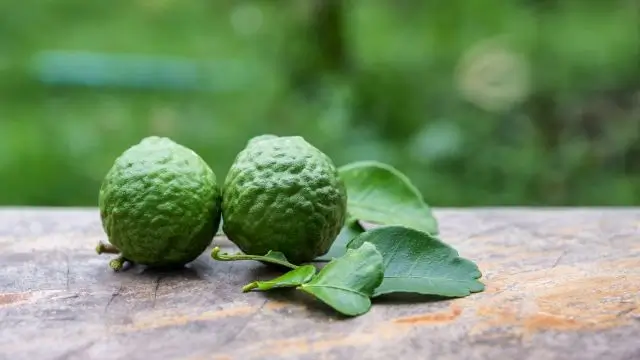
Image Disclaimer: Images are for reference only and should not be used as the sole method of identification. Always confirm identification with a qualified source.
Frequently Asked Questions
Can you diffuse bergamot essential oil?
Yes. Bergamot essential oil is commonly diffused at about 3–6 drops in a water-based diffuser, depending on room size and personal preference.
Can bergamot essential oil be used on skin?
Yes, but it must be properly diluted. For leave-on products used before sun exposure, use bergapten-free or FCF bergamot or follow strict phototoxicity safety limits.
How do you use bergamot essential oil for sleep?
Use bergamot in a diffuser before bedtime or dilute it into an evening body oil. It blends well with lavender, cedarwood, frankincense, and Roman chamomile.
Can you take bergamot essential oil internally?
This guide does not recommend taking bergamot essential oil internally. Bergamot essential oil is not the same as bergamot supplements or fruit extracts.
Is bergamot essential oil good for hair?
Bergamot can be used in diluted hair and scalp products mostly for its fresh aroma. It pairs well with rosemary, cedarwood, lavender, and herbal haircare blends.
What does bergamot essential oil blend well with?
Bergamot blends well with lavender, frankincense, cedarwood, clary sage, geranium, rosemary, sweet orange, ylang ylang, and sandalwood.
Ready to try Bergamot (Essential Oil) in recipes and DIY projects?
Explore aromatherapy blends, skincare ideas, bath products, diffuser recipes, and natural remedies featuring Bergamot (Essential Oil).