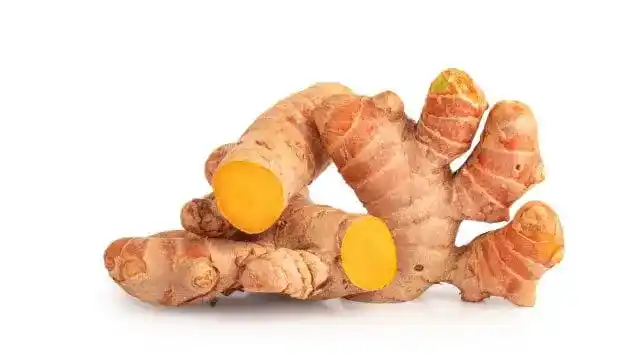
Turmeric essential oil is distilled from Curcuma longa, an aromatic plant in the Zingiberaceae family. Native to South Asia, especially India, it is valued for its distinctive scent and the role it plays in blends for massage oils, grounding diffuser blends, and warm spice-wood formulas.
Traditionally, this oil has been appreciated where fragrance and atmosphere mattered, and today it is widely used for massage oils, grounding diffuser blends, and warm spice-wood formulas. The aroma gives it a clear identity that makes it useful in both diffuser blends and topical aromatherapy formulas.
What makes Turmeric distinctive is its dry golden warmth. It gives a blend root depth and spice without becoming sugary or obviously culinary.
Essential Oil Overview
Botanical name:Curcuma longa
Plant part used: Rhizomes
Extraction method: Steam distillation
Aroma profile: Warm, earthy, softly spicy, and woody with a dry root-like depth very different from powdered kitchen turmeric.
Turmeric has a earthy, spicy, and woody profile built around warm root, dry spice, soft wood, earthy resin, golden warmth. In blends, it can either shape the whole formula or act as a strategic accent, depending on dosage and companions.
Sandalwood Essential Oil rounds the aroma so the stronger edges feel smoother and easier to diffuse or wear.
Character contrast
Orange Essential Oil creates a more layered result by bringing a different aromatic direction into the formula.
Simple blend recipe
Try 3 drops Turmeric, 2 drops Ginger, 2 drops Frankincense Carterii, and 1 drop Sandalwood in a diffuser for a blend that highlights the best side of this oil.
Common Uses
Massage oils and balms with a warm root-spice profile
Grounding diffuser blends with woods and resins
Natural fragrance when a dry golden spice note is wanted
Autumn and evening blends that need earthy warmth
Targeted Uses
Useful when ginger feels too bright or cinnamon feels too sweet
Can deepen citrus blends with a smooth root base
Works well in body oils and grounding perfume accords
Turmeric carries the warmth of the root without the weight of the kitchen; in oil form it feels drier, deeper, and more quietly radiant.
Traditional South Asian aromatic appreciation
Preparation Methods
Topical: Blend Turmeric into a properly diluted carrier oil, balm, lotion, or serum when you want its characteristic scent in a skin-safe topical formula.
Diffuser: Use Turmeric in a diffuser when you want the room to carry its earthy, spicy, and woody character in a clear and noticeable way.
Bath: For bath use, first combine Turmeric with a suitable carrier or dispersant before adding it to water.
Other: It is also useful in room sprays, pulse-point oils, natural perfume, and oil-based home fragrance blends depending on the strength and style of the aroma.
Safety Considerations
Turmeric essential oil should be used with thoughtful dilution and moderation, especially because concentrated aromatic oils can affect people very differently depending on the formula and setting.
Follow measured dilution and use this oil with respect for its individual strength and chemistry.
Dilute to about 1-2% for general adult topical use unless a lower level is more appropriate for this oil.
Patch test before broader skin use, especially on sensitive skin or in facial products.
Avoid direct contact with eyes, mucous membranes, and broken or irritated skin.
Pregnant or breastfeeding users, young children, and anyone under medical care should seek professional guidance before use.
Diffuse in moderation around pets and always leave them a way to exit the room.
Store tightly closed, away from heat and direct light, to protect the aroma and stability of the oil.
This information is for educational purposes only and is not medical advice. Essential oils are highly concentrated and should be used carefully, especially for children, during pregnancy, around pets, and on sensitive skin.
Image Disclaimer: Images are for reference only and should not be used as the sole method of identification. Always confirm identification with a qualified source.
Frequently Asked Questions
What does Turmeric essential oil smell like?
Turmeric essential oil smells warm, earthy, softly spicy, and woody. It is less food-like than many people expect and usually feels drier and more refined than powdered turmeric.
How is Turmeric essential oil used?
It is commonly used in massage blends, grounding diffuser formulas, spice-wood perfume accords, and body oils where a warm root note is wanted.
Does Turmeric essential oil smell like kitchen turmeric?
It is related, but the scent is usually more aromatic, woody, and refined than the smell of dried culinary turmeric powder.
What blends well with Turmeric essential oil?
Turmeric blends especially well with ginger, frankincense, cedarwood, orange, and cardamom. These combinations can make it feel brighter, warmer, or more resinous.
Can Turmeric essential oil be used on skin?
Yes, but it should be diluted before topical use and patch tested first. As with all concentrated oils, moderation is important.
Why do people use Turmeric essential oil in blends?
People often use it because it gives a blend earthy warmth and a golden root depth that is different from sweeter spice oils such as cinnamon or clove.
Turmeric essential oil is distilled from Curcuma longa, an aromatic plant in the Zingiberaceae family. Native to South Asia, especially India, it is valued for its distinctive scent and the role it plays in blends for massage oils, grounding diffuser blends, and warm spice-wood formulas.
Traditionally, this oil has been appreciated where fragrance and atmosphere mattered, and today it is widely used for massage oils, grounding diffuser blends, and warm spice-wood formulas. The aroma gives it a clear identity that makes it useful in both diffuser blends and topical aromatherapy formulas.
What makes Turmeric distinctive is its dry golden warmth. It gives a blend root depth and spice without becoming sugary or obviously culinary.
Aromatic Profile
Turmeric has a earthy, spicy, and woody profile built around warm root, dry spice, soft wood, earthy resin, golden warmth. In blends, it can either shape the whole formula or act as a strategic accent, depending on dosage and companions.
Similar to: Ginger, Cardamom, Frankincense, Cedarwood
Common Uses
Massage oils and balms with a warm root-spice profile
Grounding diffuser blends with woods and resins
Natural fragrance when a dry golden spice note is wanted
Autumn and evening blends that need earthy warmth
Targeted Uses
Useful when ginger feels too bright or cinnamon feels too sweet
Can deepen citrus blends with a smooth root base
Works well in body oils and grounding perfume accords
Turmeric carries the warmth of the root without the weight of the kitchen; in oil form it feels drier, deeper, and more quietly radiant.
Traditional South Asian aromatic appreciation
Preparation Methods
Topical: Blend Turmeric into a properly diluted carrier oil, balm, lotion, or serum when you want its characteristic scent in a skin-safe topical formula.
Diffuser: Use Turmeric in a diffuser when you want the room to carry its earthy, spicy, and woody character in a clear and noticeable way.
Bath: For bath use, first combine Turmeric with a suitable carrier or dispersant before adding it to water.
Other: It is also useful in room sprays, pulse-point oils, natural perfume, and oil-based home fragrance blends depending on the strength and style of the aroma.
Safety Considerations
Turmeric essential oil should be used with thoughtful dilution and moderation, especially because concentrated aromatic oils can affect people very differently depending on the formula and setting.
Follow measured dilution and use this oil with respect for its individual strength and chemistry.
Dilute to about 1-2% for general adult topical use unless a lower level is more appropriate for this oil.
Patch test before broader skin use, especially on sensitive skin or in facial products.
Avoid direct contact with eyes, mucous membranes, and broken or irritated skin.
Pregnant or breastfeeding users, young children, and anyone under medical care should seek professional guidance before use.
Diffuse in moderation around pets and always leave them a way to exit the room.
Store tightly closed, away from heat and direct light, to protect the aroma and stability of the oil.
This information is for educational purposes only and is not medical advice. Essential oils are highly concentrated and should be used carefully, especially for children, during pregnancy, around pets, and on sensitive skin.
Image Disclaimer: Images are for reference only and should not be used as the sole method of identification. Always confirm identification with a qualified source.
Frequently Asked Questions
What does Turmeric essential oil smell like?
Turmeric essential oil smells warm, earthy, softly spicy, and woody. It is less food-like than many people expect and usually feels drier and more refined than powdered turmeric.
How is Turmeric essential oil used?
It is commonly used in massage blends, grounding diffuser formulas, spice-wood perfume accords, and body oils where a warm root note is wanted.
Does Turmeric essential oil smell like kitchen turmeric?
It is related, but the scent is usually more aromatic, woody, and refined than the smell of dried culinary turmeric powder.
What blends well with Turmeric essential oil?
Turmeric blends especially well with ginger, frankincense, cedarwood, orange, and cardamom. These combinations can make it feel brighter, warmer, or more resinous.
Can Turmeric essential oil be used on skin?
Yes, but it should be diluted before topical use and patch tested first. As with all concentrated oils, moderation is important.
Why do people use Turmeric essential oil in blends?
People often use it because it gives a blend earthy warmth and a golden root depth that is different from sweeter spice oils such as cinnamon or clove.
Essential Oil Overview
Botanical name:Curcuma longa
Plant part used: Rhizomes
Extraction method: Steam distillation
Aroma profile: Warm, earthy, softly spicy, and woody with a dry root-like depth very different from powdered kitchen turmeric.
Sandalwood Essential Oil rounds the aroma so the stronger edges feel smoother and easier to diffuse or wear.
Character contrast
Orange Essential Oil creates a more layered result by bringing a different aromatic direction into the formula.
Simple blend recipe
Try 3 drops Turmeric, 2 drops Ginger, 2 drops Frankincense Carterii, and 1 drop Sandalwood in a diffuser for a blend that highlights the best side of this oil.