

Tarragon Essential Oil

Tarragon essential oil is distilled from Artemisia dracunculus, an aromatic plant in the Asteraceae family. Native to Eurasia and cultivated widely in Europe, it is valued for its distinctive scent and the role it plays in blends for natural perfumery, diffuser blends, and sophisticated herbal accords.

Traditionally, this oil has been appreciated where fragrance and atmosphere mattered, and today it is widely used for natural perfumery, diffuser blends, and sophisticated herbal accords. The aroma gives it a clear identity that makes it useful in both diffuser blends and topical aromatherapy formulas.

What makes Tarragon stand out is its refined anise-green tone. It behaves like an herb, yet it can make a blend feel unexpectedly polished and perfume-like.
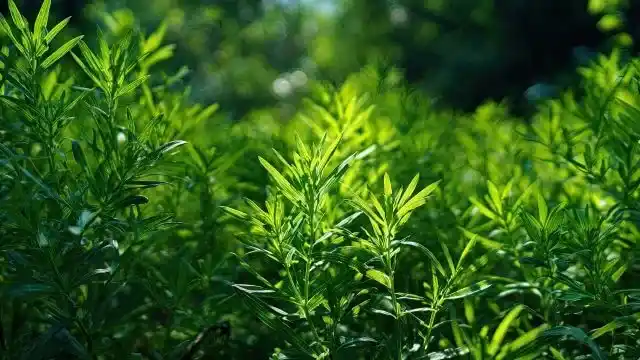
Essential Oil Uses

Common Uses

  • Natural perfumery for green aromatic top notes
  • Diffuser blends with bright herbal complexity
  • Creative kitchen-adjacent room blends that smell herbaceous rather than sweet
  • Specialty formulas where a licorice-like nuance is wanted

Targeted Uses

  • Useful when lavender or citrus blends need an unexpected green twist
  • Helps create French-herbal style profiles in natural fragrance
  • Works especially well with bergamot, lemon, and soft woods

Aromatic Profile

Tarragon has a herbal, anise-like, and green profile built around sweet anise, green leaf, herb stem, dry spice, faint citrus. In blends, it can either shape the whole formula or act as a strategic accent, depending on dosage and companions.

  • Scent family: Herbal, anise-like, and green
  • Fragrance notes: Sweet anise, green leaf, herb stem, dry spice, faint citrus
  • Similar to: Basil, Fennel, Tagetes, Dill

Tarragon is one of the rare herbs whose scent feels both kitchen-familiar and unexpectedly refined.

European herbal aromatic tradition

Tarragon Essential Oil Preparation Methods
Topical: Blend Tarragon into a properly diluted carrier oil, balm, lotion, or serum when you want its characteristic scent in a skin-safe topical formula.
Diffuser: Use Tarragon in a diffuser when you want the room to carry its herbal, anise-like, and green character in a clear and noticeable way.
Bath: For bath use, first combine Tarragon with a suitable carrier or dispersant before adding it to water.
Other: It is also useful in room sprays, pulse-point oils, natural perfume, and oil-based home fragrance blends depending on the strength and style of the aroma.


Safety Considerations

Tarragon essential oil should be used with thoughtful dilution and moderation, especially because concentrated aromatic oils can affect people very differently depending on the formula and setting.

  • Follow measured dilution and use this oil with respect for its individual strength and chemistry.
  • Dilute to about 1-2% for general adult topical use unless a lower level is more appropriate for this oil.
  • Patch test before broader skin use, especially on sensitive skin or in facial products.
  • Avoid direct contact with eyes, mucous membranes, and broken or irritated skin.
  • Pregnant or breastfeeding users, young children, and anyone under medical care should seek professional guidance before use.
  • Diffuse in moderation around pets and always leave them a way to exit the room.
  • Store tightly closed, away from heat and direct light, to protect the aroma and stability of the oil.

This information is for educational purposes only and is not medical advice. Essential oils are highly concentrated and should be used carefully, especially for children, during pregnancy, around pets, and on sensitive skin.

Image Disclaimer: Images are for reference only and should not be used as the sole method of identification. Always confirm identification with a qualified source.
Frequently Asked Questions
What does Tarragon essential oil smell like?

Tarragon essential oil smells sweet, green, herbal, and distinctly anise-like. It is smoother and more elegant than many people expect from a strongly aromatic herb.

How is Tarragon essential oil used?

It is usually used in natural perfumery, diffuser blends, and specialty aromatic formulas where a polished green herb note is wanted. It is not typically used as a general-purpose household oil.

What blends well with Tarragon essential oil?

Tarragon blends especially well with bergamot, lemon, basil, lavender, and cedarwood. These combinations can make it feel fresher, softer, or more structured.

Is Tarragon essential oil strong?

Yes. Tarragon has a distinctive aroma and is usually best used in measured amounts. Too much can quickly dominate a blend.

Can Tarragon essential oil be used topically?

It should only be used with care and always in proper dilution. Because it is a concentrated aromatic herb oil, lower topical levels and a patch test are sensible.

Why is Tarragon used in perfume-style blends?

It can add a refined green anisic accent that makes a blend feel more complex and more sophisticated. That effect is especially useful in herbal-citrus or aromatic floral compositions.

Tarragon Essential Oil Benefits and How to Use

Essential Oil Overview

  • Botanical name: Artemisia dracunculus
  • Plant part used: Leaves and flowering tops
  • Extraction method: Steam distillation
  • Aroma profile: Sweet, green, and distinctly anise-like with a smooth herbal sharpness that feels both culinary and perfumery-oriented.
  • Aroma note: Top note
  • Key components: Methyl chavicol, Ocimene, Limonene, Terpinolene
  • Top benefits:
    • Adds elegant anise-green character to blends
    • Useful in perfumery and sophisticated herbal accords
    • Sharpens citrus and floral compositions with a sweet-herb edge
    • Creates distinctive diffuser blends with culinary freshness

Types Available

Tarragon (Artemisia dracunculus – sweet anise-herb profile)
Sweet Basil (Ocimum basilicum – fresher green herb sweetness)
Tagetes (Tagetes minuta – sharper green-fruity herb accent)
Fennel (Foeniculum vulgare – sweeter licorice character)