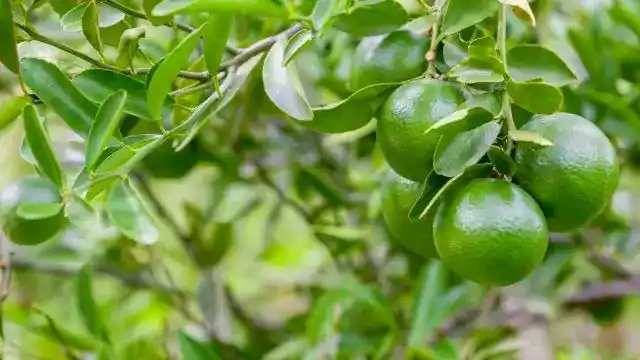
Petitgrain essential oil is steam distilled from the leaves and young twigs of Citrus aurantium var. amara, the bitter orange tree of the Rutaceae family. Grown widely in Mediterranean citrus regions and beyond, it captures a side of the orange tree that is greener, woodier, and quieter than peel oil.
Traditionally, petitgrain has been valued in perfumery and aromatic body care because it bridges citrus and floral worlds beautifully. It has the freshness of citrus, but without the juicy peel brightness; instead it brings leaf, twig, and a faint memory of blossom.
That balance makes Petitgrain a remarkably versatile oil for diffuser blends, room sprays, cologne-style formulas, and understated natural perfumes.
Essential Oil Overview
Botanical name:Citrus aurantium var. amara
Plant part used: Leaves and young twigs
Extraction method: Steam distillation
Aroma profile: Green, woody, and lightly floral with gentle citrus bitterness and a clean elegant finish.
Bridges citrus freshness and floral softness in one oil
Excellent in diffuser blends, body oils, and natural perfume
Adds green structure without harshness
Useful when you want citrus character without peel-oil sweetness
Types Available
Petitgrain Bigarade (Citrus aurantium var. amara – classic bitter orange leaf oil)
Petitgrain Lemon (Citrus limon – green lemon leaf profile)
Petitgrain Mandarin (Citrus reticulata – softer leafy mandarin profile)
Neroli (Citrus aurantium blossom oil – floral counterpart from the same tree)
Aromatic Profile
Classic petitgrain is what happens when citrus leaves replace citrus peel. It smells greener, woodier, and more restrained than orange or lemon peel oils, yet still carries a quiet floral memory of the bitter orange tree. That makes it one of the most useful bridge oils in aromatic formulation.
Ho Wood Oil when you want a pale clean base under the leaves.
Simple blend recipe
Try 3 drops Petitgrain, 2 drops Bergamot, 2 drops Neroli, and 1 drop Ho Wood in a diffuser for an elegant green-citrus blend.
Common Uses
Cologne-style natural fragrance and room sprays
Diffuser blends that need calm green citrus freshness
Body oils and soaps with a refined leafy-orange note
Bridge note between citrus, florals, and pale woods
Targeted Uses
Choose Petitgrain when orange peel feels too sweet or obvious
Excellent for green citrus formulas with lavender, neroli, or ho wood
Useful when a blend needs freshness but also composure
Petitgrain carries the orchard differently: not as fruit in the hand, but as leaf, twig, and the quiet breath of blossom still hanging in the tree.
Traditional citrus perfumery practice
Preparation Methods
Topical: Blend Petitgrain into a carrier oil, lotion, soap, or body mist when you want a green citrus note that feels more leafy and refined than peel oils.
Diffuser: Use Petitgrain in a diffuser for calm green-citrus freshness with more leaf and twig character than fruit-peel oils.
Bath: For bath use, first mix Petitgrain with a suitable carrier or dispersant before adding to water.
Other: It is also ideal in pillow sprays, facial mists, cologne concentrates, and elegant soap fragrance.
Safety Considerations
Petitgrain is generally regarded as a friendly citrus-leaf oil, but proper dilution and patch testing are still good practice.
Dilute to about 1-3% for general adult topical use.
Patch test before use in leave-on products.
Avoid direct contact with eyes, mucous membranes, and irritated skin.
Because this is distilled from leaves and twigs rather than cold-pressed peel, it is often chosen when a less peel-like citrus profile is wanted, but safe dilution still matters.
Pregnant or breastfeeding users and anyone with highly sensitive skin should seek professional guidance before regular use.
Diffuse in moderation around pets and allow ventilation.
This information is for educational purposes only and is not medical advice. Essential oils are highly concentrated and should be used carefully, especially for children, during pregnancy, around pets, and on sensitive skin.
Image Disclaimer: Images are for reference only and should not be used as the sole method of identification. Always confirm identification with a qualified source.
Frequently Asked Questions
What is the difference between Petitgrain and Neroli essential oil?
Both come from the bitter orange tree, but they come from different parts. Petitgrain is distilled from the leaves and twigs, so it smells greener and woodier, while Neroli comes from the blossoms and smells much more floral. That leafy citrus nuance is exactly why these oils are prized in refined perfume and room blends.
What does Petitgrain essential oil smell like?
Petitgrain smells green, lightly woody, and softly citrusy with a subtle floral undertone. It is calmer and less juicy than orange or lemon peel oils, which makes it especially useful in refined blends. That leafy citrus nuance is exactly why these oils are prized in refined perfume and room blends.
Is Petitgrain a citrus or floral oil?
It behaves as both a green citrus and a floral bridge oil. That dual nature is one reason it is so useful in blending, especially between bright citrus top notes and gentler floral or woody middle notes. That leafy citrus nuance is exactly why these oils are prized in refined perfume and room blends.
What oils blend well with Petitgrain?
Petitgrain blends beautifully with neroli, bergamot, lavender, ho wood, rosemary, and many pale woods or gentle florals. It is one of the easiest oils to place in calm, polished aromatic formulas. That leafy citrus nuance is exactly why these oils are prized in refined perfume and room blends.
Can Petitgrain be used in skincare blends?
Yes, when properly diluted. Many people like it in body oils, soaps, and light skincare formulas because its aroma feels clean, green, and refined rather than sugary or strongly floral. That leafy citrus nuance is exactly why these oils are prized in refined perfume and room blends.
Why choose Petitgrain instead of orange peel oil?
Choose Petitgrain when you want citrus freshness with more structure and less sweetness. It smells more like the living tree than the fruit peel, which often gives a blend a more polished and grown-up finish. That leafy citrus nuance is exactly why these oils are prized in refined perfume and room blends.
Petitgrain essential oil is steam distilled from the leaves and young twigs of Citrus aurantium var. amara, the bitter orange tree of the Rutaceae family. Grown widely in Mediterranean citrus regions and beyond, it captures a side of the orange tree that is greener, woodier, and quieter than peel oil.
Traditionally, petitgrain has been valued in perfumery and aromatic body care because it bridges citrus and floral worlds beautifully. It has the freshness of citrus, but without the juicy peel brightness; instead it brings leaf, twig, and a faint memory of blossom.
That balance makes Petitgrain a remarkably versatile oil for diffuser blends, room sprays, cologne-style formulas, and understated natural perfumes.
Aromatic Profile
Classic petitgrain is what happens when citrus leaves replace citrus peel. It smells greener, woodier, and more restrained than orange or lemon peel oils, yet still carries a quiet floral memory of the bitter orange tree. That makes it one of the most useful bridge oils in aromatic formulation.
Diffuser blends that need calm green citrus freshness
Body oils and soaps with a refined leafy-orange note
Bridge note between citrus, florals, and pale woods
Targeted Uses
Choose Petitgrain when orange peel feels too sweet or obvious
Excellent for green citrus formulas with lavender, neroli, or ho wood
Useful when a blend needs freshness but also composure
Petitgrain carries the orchard differently: not as fruit in the hand, but as leaf, twig, and the quiet breath of blossom still hanging in the tree.
Traditional citrus perfumery practice
Preparation Methods
Topical: Blend Petitgrain into a carrier oil, lotion, soap, or body mist when you want a green citrus note that feels more leafy and refined than peel oils.
Diffuser: Use Petitgrain in a diffuser for calm green-citrus freshness with more leaf and twig character than fruit-peel oils.
Bath: For bath use, first mix Petitgrain with a suitable carrier or dispersant before adding to water.
Other: It is also ideal in pillow sprays, facial mists, cologne concentrates, and elegant soap fragrance.
Safety Considerations
Petitgrain is generally regarded as a friendly citrus-leaf oil, but proper dilution and patch testing are still good practice.
Dilute to about 1-3% for general adult topical use.
Patch test before use in leave-on products.
Avoid direct contact with eyes, mucous membranes, and irritated skin.
Because this is distilled from leaves and twigs rather than cold-pressed peel, it is often chosen when a less peel-like citrus profile is wanted, but safe dilution still matters.
Pregnant or breastfeeding users and anyone with highly sensitive skin should seek professional guidance before regular use.
Diffuse in moderation around pets and allow ventilation.
This information is for educational purposes only and is not medical advice. Essential oils are highly concentrated and should be used carefully, especially for children, during pregnancy, around pets, and on sensitive skin.
Image Disclaimer: Images are for reference only and should not be used as the sole method of identification. Always confirm identification with a qualified source.
Frequently Asked Questions
What is the difference between Petitgrain and Neroli essential oil?
Both come from the bitter orange tree, but they come from different parts. Petitgrain is distilled from the leaves and twigs, so it smells greener and woodier, while Neroli comes from the blossoms and smells much more floral. That leafy citrus nuance is exactly why these oils are prized in refined perfume and room blends.
What does Petitgrain essential oil smell like?
Petitgrain smells green, lightly woody, and softly citrusy with a subtle floral undertone. It is calmer and less juicy than orange or lemon peel oils, which makes it especially useful in refined blends. That leafy citrus nuance is exactly why these oils are prized in refined perfume and room blends.
Is Petitgrain a citrus or floral oil?
It behaves as both a green citrus and a floral bridge oil. That dual nature is one reason it is so useful in blending, especially between bright citrus top notes and gentler floral or woody middle notes. That leafy citrus nuance is exactly why these oils are prized in refined perfume and room blends.
What oils blend well with Petitgrain?
Petitgrain blends beautifully with neroli, bergamot, lavender, ho wood, rosemary, and many pale woods or gentle florals. It is one of the easiest oils to place in calm, polished aromatic formulas. That leafy citrus nuance is exactly why these oils are prized in refined perfume and room blends.
Can Petitgrain be used in skincare blends?
Yes, when properly diluted. Many people like it in body oils, soaps, and light skincare formulas because its aroma feels clean, green, and refined rather than sugary or strongly floral. That leafy citrus nuance is exactly why these oils are prized in refined perfume and room blends.
Why choose Petitgrain instead of orange peel oil?
Choose Petitgrain when you want citrus freshness with more structure and less sweetness. It smells more like the living tree than the fruit peel, which often gives a blend a more polished and grown-up finish. That leafy citrus nuance is exactly why these oils are prized in refined perfume and room blends.
Essential Oil Overview
Botanical name:Citrus aurantium var. amara
Plant part used: Leaves and young twigs
Extraction method: Steam distillation
Aroma profile: Green, woody, and lightly floral with gentle citrus bitterness and a clean elegant finish.