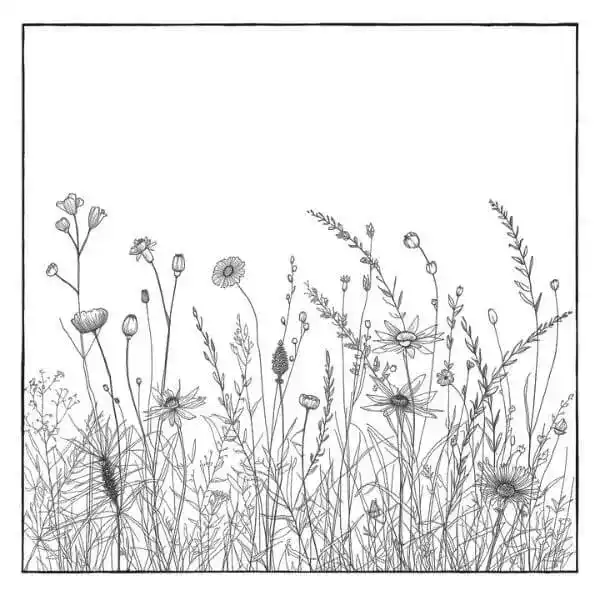
German chamomile essential oil is distilled from the flowering tops of the german chamomile plant, Matricaria chamomilla, an annual herb in the Asteraceae family native to Europe and western Asia. It is known for its warm, herbaceous aroma and for the deep blue color that develops during distillation, making it one of the most visually distinctive essential oils.
Traditionally, German chamomile essential oil has been used in calming diffuser blends, after-sun style body oils, bath routines, and carefully diluted skincare formulas. Its aroma is often chosen for evening preparations and for blends intended to feel gentle, settled, and supportive of delicate skin or a softer room atmosphere.
Compared with Roman chamomile, German chamomile often smells deeper and greener, with more of a warm herbal quality than a sweet apple note. Because of its strong color and concentrated nature, it is usually used in small amounts, especially in facial or lightly colored formulations.
Botanical Overview
Botanical name:Matricaria chamomilla
Family: Asteraceae (daisy family)
Plant type: Annual flowering herb
Native region: Europe and western Asia
Common names: German chamomile, Blue chamomile, Wild chamomile
Aromatic Profile
German chamomile essential oil has a sweet, herbaceous aroma with warm hay-like notes and a deep blue color that makes it especially distinctive.
Scent family: Herbaceous, sweet, and warm
Fragrance notes: Soft, sweet, green, and slightly earthy with warm apple-hay undertones
Similar to: Roman chamomile and yarrow, though German chamomile is usually deeper, greener, and more intensely herbaceous
Blending Suggestions
German chamomile essential oil blends well with floral, citrus, woody, and resinous oils that soften and round its deep herbal profile. It is also one of the more expensive essential oils due to the large quantity of flowers required for distillation, so it is typically used sparingly in blends and reserved for more targeted or premium formulations.
This soft evening blend is commonly used when a room needs a more settled, comforting aroma without sharp citrus or mint notes.
Common Uses
Aromatherapy: Diffuse in the evening for a soft, herbaceous atmosphere with a calm, grounded feel.
Skincare: Use well diluted in serums, balms, or body oils intended for delicate or stressed-looking skin.
Bath ritual: Add to a bath blend for a quiet, soothing aromatic routine.
Massage oil (diluted): Blend into carrier oils for a gentle body oil with a warm herbal scent.
After-sun style blends: Often included in carefully diluted body products where a comforting, skin-focused aroma is preferred.
Targeted Uses
Delicate skin routines: Commonly used in diluted preparations intended for skin that looks reactive or easily stressed.
Evening calm: Frequently added to bedtime diffuser blends because its aroma feels soft and settled.
Warm herbal blending: Used when a blend needs a gentle chamomile note that is deeper than Roman chamomile.
Color-rich formulations: Chosen in handcrafted oils and balms where its natural blue tone adds visual character.
“Chamomile in its many forms has long been treasured for the quieting quality of its fragrance and its gentleness in household preparations.”
— Adapted from traditional European herbal literature
Preparation Methods
German Chamomile Essential Oil can be prepared in several ways:
Topical Application
Dilute German chamomile essential oil in a carrier oil such as jojoba, sweet almond, or calendula-infused oil before applying it to the skin. Around 0.5–1.5% is often enough because the oil is highly concentrated and strongly colored.
Remedies:Coming soon calming skin and body oil recipes with German chamomile essential oil.
Diffuser
German chamomile essential oil can be diffused in small amounts for a warm, herbaceous evening atmosphere. Add about 2–4 drops to a diffuser filled with water, often blended with lavender or frankincense for a softer and more rounded aroma.
Remedies:Coming soon diffuser blends with German chamomile essential oil.
Bath
For bath use, first mix German chamomile essential oil into a carrier oil or suitable dispersant before adding it to warm water. A small amount is usually enough for a noticeable aromatic effect.
Remedies:Bath recipes with German chamomile essential oil coming soon.
Facial Blend
Because German chamomile is potent and colorful, it is generally used sparingly in facial oils and creams. Lower dilutions are often preferred for delicate skincare preparations.
Remedies:Coming soon facial blend recipes with German chamomile essential oil.
Safety Considerations
German chamomile essential oil is often chosen for gentle and skin-focused aromatherapy, but it is still a concentrated oil and should be used with mindful dilution.
However, like other chamomile oils, it comes from the Asteraceae family, so individuals with daisy-family sensitivities may wish to use extra caution.
Always dilute before applying to the skin; lower dilutions are often preferred because the oil is concentrated and strongly colored.
Patch test before first use, especially on sensitive skin or in facial products.
People with known sensitivities to ragweed, daisies, or related Asteraceae plants should use caution.
Avoid contact with eyes, inner ears, and mucous membranes.
Because the oil is richly colored, it may stain light fabrics or unfinished surfaces.
Use moderate amounts when diffusing around pets and keep the room well ventilated.
Please use this information for educational purposes only and consult a qualified healthcare professional for individual guidance.
Image Disclaimer: Images are for reference only and should not be used as the sole method of identification. Always confirm identification with a qualified source.
Frequently Asked Questions
What is German chamomile essential oil used for?
German chamomile essential oil is commonly used in calming diffuser blends, bath rituals, and skin-focused formulations. It is especially valued when a warm, herbaceous chamomile aroma and a gentle-feeling profile are desired.
Why is German chamomile essential oil blue?
German chamomile essential oil often appears deep blue because of compounds formed during the distillation process. This unusual color is one of the reasons the oil stands out from Roman chamomile.
What does German chamomile essential oil smell like?
German chamomile essential oil smells sweet, herbaceous, warm, and slightly earthy. Compared with Roman chamomile, it usually feels deeper, greener, and less apple-like.
What is the difference between German chamomile and Roman chamomile essential oil?
German chamomile is often deeper in aroma and naturally blue in color, while Roman chamomile is usually sweeter and more apple-like. Both are used in calming blends, but their scent and appearance differ noticeably.
Can German chamomile essential oil be used on the skin?
German chamomile essential oil is often used in skin-focused products, but it should still be diluted carefully. Because it is concentrated and strongly colored, lower dilutions are usually preferred.
What oils blend well with German chamomile?
German chamomile blends well with lavender, bergamot, frankincense, sandalwood, and Roman chamomile. These oils can help soften its herbal depth while keeping the blend calm and elegant.
German chamomile essential oil is distilled from the flowering tops of the german chamomile plant, Matricaria chamomilla, an annual herb in the Asteraceae family native to Europe and western Asia. It is known for its warm, herbaceous aroma and for the deep blue color that develops during distillation, making it one of the most visually distinctive essential oils.
Traditionally, German chamomile essential oil has been used in calming diffuser blends, after-sun style body oils, bath routines, and carefully diluted skincare formulas. Its aroma is often chosen for evening preparations and for blends intended to feel gentle, settled, and supportive of delicate skin or a softer room atmosphere.
Compared with Roman chamomile, German chamomile often smells deeper and greener, with more of a warm herbal quality than a sweet apple note. Because of its strong color and concentrated nature, it is usually used in small amounts, especially in facial or lightly colored formulations.
Aromatic Profile
German chamomile essential oil has a sweet, herbaceous aroma with warm hay-like notes and a deep blue color that makes it especially distinctive.
Scent family: Herbaceous, sweet, and warm
Fragrance notes: Soft, sweet, green, and slightly earthy with warm apple-hay undertones
Similar to: Roman chamomile and yarrow, though German chamomile is usually deeper, greener, and more intensely herbaceous
Common Uses
Aromatherapy: Diffuse in the evening for a soft, herbaceous atmosphere with a calm, grounded feel.
Skincare: Use well diluted in serums, balms, or body oils intended for delicate or stressed-looking skin.
Bath ritual: Add to a bath blend for a quiet, soothing aromatic routine.
Massage oil (diluted): Blend into carrier oils for a gentle body oil with a warm herbal scent.
After-sun style blends: Often included in carefully diluted body products where a comforting, skin-focused aroma is preferred.
Targeted Uses
Delicate skin routines: Commonly used in diluted preparations intended for skin that looks reactive or easily stressed.
Evening calm: Frequently added to bedtime diffuser blends because its aroma feels soft and settled.
Warm herbal blending: Used when a blend needs a gentle chamomile note that is deeper than Roman chamomile.
Color-rich formulations: Chosen in handcrafted oils and balms where its natural blue tone adds visual character.
“Chamomile in its many forms has long been treasured for the quieting quality of its fragrance and its gentleness in household preparations.”
— Adapted from traditional European herbal literature
Preparation Methods
German Chamomile Essential Oil can be prepared in several ways:
Topical Application
Dilute German chamomile essential oil in a carrier oil such as jojoba, sweet almond, or calendula-infused oil before applying it to the skin. Around 0.5–1.5% is often enough because the oil is highly concentrated and strongly colored.
Remedies:Coming soon calming skin and body oil recipes with German chamomile essential oil.
Diffuser
German chamomile essential oil can be diffused in small amounts for a warm, herbaceous evening atmosphere. Add about 2–4 drops to a diffuser filled with water, often blended with lavender or frankincense for a softer and more rounded aroma.
Remedies:Coming soon diffuser blends with German chamomile essential oil.
Bath
For bath use, first mix German chamomile essential oil into a carrier oil or suitable dispersant before adding it to warm water. A small amount is usually enough for a noticeable aromatic effect.
Remedies:Bath recipes with German chamomile essential oil coming soon.
Facial Blend
Because German chamomile is potent and colorful, it is generally used sparingly in facial oils and creams. Lower dilutions are often preferred for delicate skincare preparations.
Remedies:Coming soon facial blend recipes with German chamomile essential oil.
Safety Considerations
German chamomile essential oil is often chosen for gentle and skin-focused aromatherapy, but it is still a concentrated oil and should be used with mindful dilution.
However, like other chamomile oils, it comes from the Asteraceae family, so individuals with daisy-family sensitivities may wish to use extra caution.
Always dilute before applying to the skin; lower dilutions are often preferred because the oil is concentrated and strongly colored.
Patch test before first use, especially on sensitive skin or in facial products.
People with known sensitivities to ragweed, daisies, or related Asteraceae plants should use caution.
Avoid contact with eyes, inner ears, and mucous membranes.
Because the oil is richly colored, it may stain light fabrics or unfinished surfaces.
Use moderate amounts when diffusing around pets and keep the room well ventilated.
Please use this information for educational purposes only and consult a qualified healthcare professional for individual guidance.
Image Disclaimer: Images are for reference only and should not be used as the sole method of identification. Always confirm identification with a qualified source.
Frequently Asked Questions
What is German chamomile essential oil used for?
German chamomile essential oil is commonly used in calming diffuser blends, bath rituals, and skin-focused formulations. It is especially valued when a warm, herbaceous chamomile aroma and a gentle-feeling profile are desired.
Why is German chamomile essential oil blue?
German chamomile essential oil often appears deep blue because of compounds formed during the distillation process. This unusual color is one of the reasons the oil stands out from Roman chamomile.
What does German chamomile essential oil smell like?
German chamomile essential oil smells sweet, herbaceous, warm, and slightly earthy. Compared with Roman chamomile, it usually feels deeper, greener, and less apple-like.
What is the difference between German chamomile and Roman chamomile essential oil?
German chamomile is often deeper in aroma and naturally blue in color, while Roman chamomile is usually sweeter and more apple-like. Both are used in calming blends, but their scent and appearance differ noticeably.
Can German chamomile essential oil be used on the skin?
German chamomile essential oil is often used in skin-focused products, but it should still be diluted carefully. Because it is concentrated and strongly colored, lower dilutions are usually preferred.
What oils blend well with German chamomile?
German chamomile blends well with lavender, bergamot, frankincense, sandalwood, and Roman chamomile. These oils can help soften its herbal depth while keeping the blend calm and elegant.
Botanical Overview
Botanical name:Matricaria chamomilla
Family: Asteraceae (daisy family)
Plant type: Annual flowering herb
Native region: Europe and western Asia
Common names: German chamomile, Blue chamomile, Wild chamomile
Blending Suggestions
German chamomile essential oil blends well with floral, citrus, woody, and resinous oils that soften and round its deep herbal profile. It is also one of the more expensive essential oils due to the large quantity of flowers required for distillation, so it is typically used sparingly in blends and reserved for more targeted or premium formulations.
This soft evening blend is commonly used when a room needs a more settled, comforting aroma without sharp citrus or mint notes.
German chamomile essential oil is distilled from the flowers of the german chamomile plant. Readers exploring other soothing aromatic plants may also enjoy roman chamomile and lavender.
The information on this website is for educational purposes only and is not intended as medical advice. Always consult a qualified healthcare professional before using herbs, supplements, or natural products.