
Best Carrier Oils for Balms, Salves & Herbal Remedies
Carrier oils are plant-based oils used to dilute essential oils and form the base of many herbal remedies, including balms, salves, massage oils, roll-ons, and infused herbal preparations. Different carrier oils vary in texture, absorption speed, shelf life, aroma, and skin feel.
Choosing the right carrier oil can significantly affect the final result of a remedy. Some oils create rich protective salves, while others produce lightweight facial serums or fast-absorbing massage blends. Certain oils are also better suited to herbal infusions because they remain stable during gentle heating and long infusion periods.
This guide explains the best carrier oils for herbal remedies, how they compare, which oils work best for different applications, and how to select the right option for your balm, salve, roll-on, or essential oil blend.
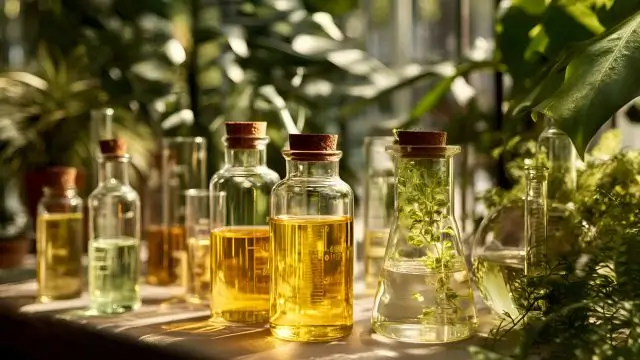
What Are Carrier Oils?
Carrier oils are fixed oils extracted from nuts, seeds, kernels, or fruits. Unlike essential oils, they are not highly concentrated aromatic extracts. Instead, they are used to safely dilute essential oils and provide nourishment, glide, and stability to topical preparations.
Carrier oils are commonly used in:
- Herbal infused oils
- Balms and salves
- Massage oils
- Body oils
- Facial serums
- Roll-on blends
- Lip balms
- Natural skincare products
Each oil has different characteristics. Some are rich and protective, while others are lightweight and absorb quickly into the skin.
Why the Choice of Carrier Oil Matters
The carrier oil used in a recipe can change the texture, feel, absorption speed, and shelf life of the final product. Some oils are ideal for herbal salves and chest balms, while others are better for lightweight facial products or roller bottle blends.
Carrier oils are often selected based on:
- Skin type compatibility
- Absorption speed
- Greasiness or richness
- Shelf life and stability
- Suitability for herbal infusions
- Desired texture of the balm or oil
- Cost and availability
- Natural aroma profile
For example, olive oil is commonly used in traditional herbal salves because it is stable and excellent for herbal infusions, while jojoba oil is often preferred in facial products due to its lightweight, silky feel.
Best Carrier Oils for Different Herbal Remedies
Some carrier oils are especially well suited to specific types of herbal preparations and essential oil blends.
- Olive Oil – commonly used for herbal infused oils, salves, chest balms, and traditional remedies
- Jojoba Oil – lightweight and long-lasting, ideal for facial oils and roll-ons
- Sweet Almond Oil – versatile and beginner-friendly for massage and body oils
- Fractionated Coconut Oil – thin, non-greasy, and popular for roller bottle blends
- Castor Oil – thick and glossy, often used in lip balms and rich salves
- Rosehip Oil – commonly used in mature skin and facial serum blends
- Avocado Oil – rich and nourishing for dry skin balms and body butters
- Grapeseed Oil – light texture suitable for massage oils and quick-absorbing blends
- Coconut Oil – semi-solid at cooler temperatures and commonly used in balm recipes
- Sunflower Oil – mild and affordable option for herbal preparations and skincare
Comparing Popular Carrier Oils
| Carrier Oil | Texture | Best Uses | Shelf Life | Skin Feel |
|---|---|---|---|---|
| Olive Oil | Rich and heavy | Herbal salves and infused oils | Long | Nourishing |
| Jojoba Oil | Light and silky | Facial oils and roll-ons | Very long | Non-greasy |
| Sweet Almond Oil | Medium texture | Massage and body oils | Moderate | Smooth |
| Fractionated Coconut Oil | Very light | Roller bottle blends | Very long | Dry finish |
| Castor Oil | Very thick | Lip balms and salves | Long | Glossy |
| Rosehip Oil | Light to medium | Facial serums | Shorter | Silky |
What to Consider Before Choosing a Carrier Oil
- The purpose of the recipe
- How quickly you want the oil to absorb
- Whether the oil will be heated during infusion
- The expected shelf life of the final product
- The skin type the blend is intended for
- The desired texture and consistency
How to Choose the Best Carrier Oil for Your Recipe
1. Decide on the Purpose of the Blend
Choose whether the recipe is intended for a salve, chest balm, facial serum, massage oil, lip balm, or roller bottle blend.
2. Consider Skin Feel
Light oils such as jojoba and grapeseed absorb faster, while olive and avocado oils create a richer finish.
3. Think About Shelf Life
Some oils remain stable for much longer than others. Jojoba and fractionated coconut oil typically last longer than delicate oils such as rosehip.
4. Match the Oil to the Herbs
Stable oils like olive oil are commonly chosen for herbal infusions because they tolerate gentle heating well.
5. Adjust the Texture
Thicker oils and butters can create richer balms, while lighter oils produce softer and faster-absorbing products.
6. Blend Oils Together
Many homemade remedies combine multiple carrier oils to balance texture, absorption, and skin feel.
Best Carrier Oils by Purpose
Different herbal remedies often benefit from different carrier oil combinations.
- Chest Balms: olive oil, coconut oil, avocado oil
- Arthritis Balms: olive oil, castor oil, macadamia oil
- Lip Balms: castor oil, coconut oil, sweet almond oil
- Facial Serums: jojoba oil, rosehip oil, argan oil
- Roll-On Blends: fractionated coconut oil, jojoba oil
- Massage Oils: sweet almond oil, grapeseed oil, sunflower oil
- Herbal Infusions: olive oil, sunflower oil, avocado oil
Storage Tips
- Store oils away from heat and direct sunlight
- Keep lids tightly sealed
- Use clean, dry utensils when handling oils
- Add vitamin E oil to help support freshness in some blends
- Refrigerate delicate oils if recommended by the supplier
Final Thoughts
Carrier oils are one of the most important parts of herbal remedy making and essential oil blending. The right oil can improve texture, stability, absorption, and overall usability. Experimenting with different oils and combinations can help you create herbal preparations tailored to specific skin types and applications.
Olive oil is one of the most commonly used carrier oils for herbal salves because it is stable, affordable, and works very well for herbal infusions. It creates a rich, traditional-style salve and blends well with beeswax and herbal ingredients.
Fractionated coconut oil, grapeseed oil, and jojoba oil are often considered fast-absorbing carrier oils. They leave a lighter skin feel and are commonly used in massage oils, roll-ons, and lightweight skincare blends.
Yes, many herbal remedy makers combine multiple carrier oils in a single recipe. Blending oils can help balance texture, absorption speed, richness, and shelf life while creating a more customized final product.
Jojoba oil, rosehip oil, argan oil, and lightweight sweet almond oil are commonly used in facial serums. These oils are popular because they absorb well and create a smoother, less greasy finish on the skin.
Olive oil, avocado oil, coconut oil, and sunflower oil are commonly used for chest balms and vapor-rub style recipes. These oils work well with herbal infusions and combine effectively with beeswax and essential oils.
Yes, carrier oils can eventually oxidize and go rancid over time. Shelf life varies depending on the oil. Jojoba and fractionated coconut oil tend to last longer, while delicate oils such as rosehip generally have shorter shelf lives.