

Violet Benefits & Uses (Viola odorata)

Violet (Viola odorata) is a perennial flowering herb in the violet family (Violaceae) native to Europe and western Asia. It forms low clumps of heart-shaped leaves and produces fragrant purple, blue, or occasionally pale flowers. The leaves and flowers are the plant parts most often used in traditional preparations.

Violet has long been valued in European herbal traditions for its gentle, cooling, and soothing character. It is commonly prepared as tea, syrup, infused oil, or decorative culinary garnish, and is especially appreciated for the fragrance of its flowers.

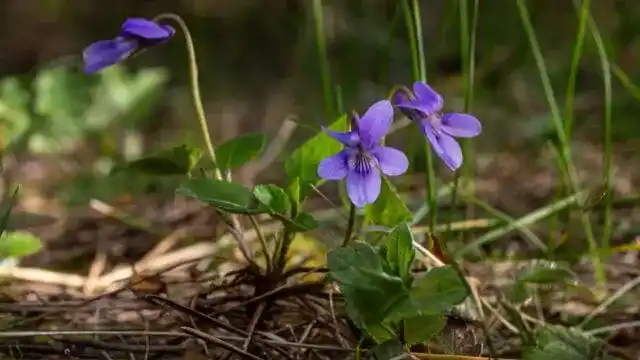
Violet Benefits and Traditional Uses

Violet has traditionally been used to support:

  • Gentle teas and cooling herbal infusions
  • Traditional syrups and sweet preparations
  • Soothing topical oils and salves
  • Decorative culinary and confectionery uses
  • Older European floral herbal traditions

Violet has been associated for centuries with springtime, delicacy, and fragrance. In traditional herb lore it was often used in syrups, infused oils, and household remedies valued for their gentle nature.

“Violet has long been cherished as one of the gentlest flowers of the herbal garden, prized for both fragrance and softness.”

— Traditional European herbal reference

Violet Preparation Methods

Violet can be prepared in several traditional ways:


Tea

Fresh or dried violet leaves and flowers may be steeped in hot water for a mild herbal tea.

Part of the plant used: Leaves or flowers

Syrup

The flowers are often used in sweet syrups and floral preparations.

Part of the plant used: Flowers

Infused Oil

Violet leaves or flowers may be infused into oil for gentle topical use.

Part of the plant used: Leaves or flowers

Salve

Prepared violet oil may be combined with beeswax or butters to create a soothing herbal salve.

Part of the plant used: Leaves or flowers


Growing Violet

Violet is a low-growing perennial that prefers cool, moist conditions and spreads gradually by runners or self-seeding. It is often grown in cottage gardens, shady beds, and woodland-style plantings.

  • Prefers partial shade or dappled light
  • Grows best in moist, humus-rich, well-drained soil
  • Benefits from regular moisture, especially in warmer weather
  • Suitable for USDA growing zones 4–9 in many parts of the United States
  • Can naturalize gently in favorable garden conditions

Violets are often easy to grow where summers are not excessively hot and dry. In some lawns and garden beds they may also appear as welcome self-seeding volunteers.


Safety Considerations

Violet has a long history of traditional use and is generally regarded as a gentle herb, however individual sensitivity is still possible.

However:

  • Only correctly identified edible violet species should be used in herbal or culinary preparations.
  • Some individuals may experience digestive upset if large amounts are consumed.
  • Those with plant sensitivities should use caution when trying violet for the first time.
  • Fresh flowers gathered from gardens should be free from pesticides or chemical sprays.
  • Pregnant or breastfeeding individuals should consult a qualified healthcare professional before using concentrated extracts or unusual preparations.
  • Wild-harvested material should only be collected from clean, correctly identified plants.

This information is provided for educational purposes only and is not medical advice.

Image Disclaimer: Images are for reference only and should not be used as the sole method of identification. Always confirm identification with a qualified source.
Frequently Asked Questions
What is violet traditionally used for?

Violet is traditionally used in teas, syrups, topical oils, and other gentle floral preparations. It is especially valued for its flowers and soft springtime character.

What part of the violet plant is used?

The leaves and flowers are the parts most commonly used. They may be infused as tea, made into syrup, or prepared in topical formulas.

Can violet be eaten?

Correctly identified edible violet flowers and leaves have traditionally been used in teas, syrups, and garnishes. Only unsprayed plants should be used.

Can violet grow in the United States?

Yes. Violet can grow in many parts of the United States, especially in USDA zones 4–9 with moist soil and partial shade.

Does violet need sun or shade?

Violet generally prefers partial shade or dappled light, especially in warmer climates.

Is violet the same as sweet violet?

In herbal practice, violet often refers to sweet violet, Viola odorata, though several Viola species may share similar common names.

Violet Flowers Medicinal Benefits and Traditional Uses

Help Us Improve the Violet Page

Do you grow, photograph, study, or work with this plant?

If you have an accurate photo, growing experience, traditional use note, identification detail, correction, or useful source to share, we would love to hear from you.

Your contribution may help improve the accuracy, usefulness, and educational value of this page for other readers.


Share a photo, correction, or plant note →

Botanical Overview

  • Botanical name: Viola odorata
  • Family: Violaceae
  • Plant type: Flowering perennial
  • Native region: Europe and western Asia
  • Common names: Sweet violet, common violet, garden violet