

Usnea Benefits & Uses (Usnea spp.)

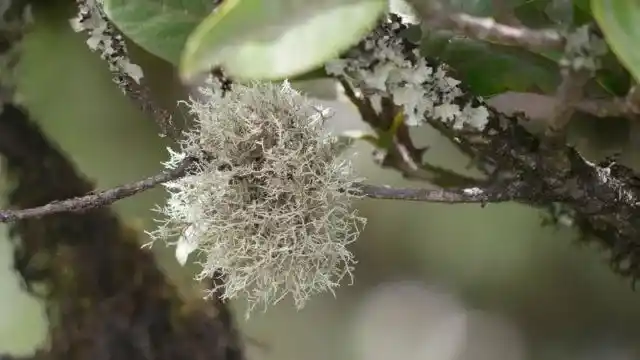
Usnea (Usnea spp.) is a fruticose lichen in the Parmeliaceae family found in temperate and boreal regions around the world. It hangs from branches in pale green or grayish strands and has a characteristic elastic central cord. The whole lichen thallus is the part used in traditional preparations.

Usnea occupies a special place in wildcrafted herbal traditions, where it is commonly prepared as a tincture, infused oil, or external wash. Because it is a lichen rather than a true herb, and because clean harvesting conditions matter, identification and sourcing are especially important.

Usnea Benefits and Traditional Uses

Usnea has traditionally been used to support:

  • Traditional wildcrafted tinctures
  • External washes and topical preparations
  • Infused oils and salves
  • Older woodland and folk herbal practice
  • Herbal materials gathered from clean forest environments

Usnea has long been used by herbalists who work closely with wildcrafted materials, especially in cool forested regions. It is often appreciated as much for its place in traditional foraging culture as for its use in preparations.

“Usnea belongs to the old forest materia medica, where careful identification and respectful gathering are part of the herb itself.”

— Traditional wildcrafting herbal reference

Usnea Preparation Methods

Usnea can be prepared in several traditional ways:


Tincture

Usnea is commonly extracted in alcohol or a dual-method preparation because the lichen is tough and resinous.

Part of the plant used: Whole lichen thallus

Infused Oil

Dried usnea may be infused into carrier oil for external herbal use.

Part of the plant used: Whole lichen thallus

Salve

Prepared usnea oil can be thickened with waxes or butters for topical salves.

Part of the plant used: Whole lichen thallus

Wash

A traditional external wash may be made from the lichen for topical applications.

Part of the plant used: Whole lichen thallus


Growing Usnea

Usnea is not grown like an ordinary garden herb because it is a lichen that develops slowly on trees in clean air and suitable humidity. It is most often wildcrafted in forested areas rather than cultivated in home beds.

  • Occurs on branches and bark rather than in garden soil
  • Prefers clean air, forest humidity, and suitable tree hosts
  • Found in cooler and temperate wooded regions of the United States
  • Grows very slowly and should be harvested sparingly and sustainably
  • More often gathered from naturally fallen material than actively cultivated

Because lichens are slow growing and sensitive to pollution, sustainable harvesting is essential. Many herbalists prefer to gather only naturally fallen pieces rather than stripping living trees.


Safety Considerations

Usnea has a long history of traditional use, however wildcrafted lichens should always be approached carefully and responsibly.

However:

  • Only correctly identified usnea should be used, as other lichens may be confused with it.
  • Wildcrafted material should come from clean, unpolluted areas away from roadsides and chemical contamination.
  • Some individuals may experience skin or digestive sensitivity with concentrated preparations.
  • Pregnant or breastfeeding individuals should consult a qualified healthcare professional before using usnea internally.
  • Because lichens grow slowly, unsustainable harvesting should be avoided.
  • Commercial products should be sourced from reputable suppliers with clear species identification.

This information is provided for educational purposes only and is not medical advice.

Image Disclaimer: Images are for reference only and should not be used as the sole method of identification. Always confirm identification with a qualified source.
Frequently Asked Questions
What is usnea traditionally used for?

Usnea is traditionally used in wildcrafted tinctures, infused oils, salves, and external washes. It is best known in woodland and foraging-based herbal practice.

Is usnea a moss or a lichen?

Usnea is a lichen, not a moss. It has a beard-like form and usually grows hanging from branches or bark.

How do you identify usnea?

Usnea is often identified by its pale beard-like strands and the elastic central cord visible when the lichen is gently pulled apart. Accurate identification is important because other lichens may look similar.

Can usnea grow in the United States?

Yes. Usnea grows in many cooler and temperate wooded regions of the United States where air quality is good and suitable trees are present.

Can usnea be grown in a home garden?

Usnea is not usually cultivated like a normal garden herb because lichens grow slowly and depend on very specific environmental conditions.

Why should usnea be harvested carefully?

Usnea grows slowly and is sensitive to pollution, so sustainable gathering from clean environments is important.

Usnea Medicinal Uses and Benefits

Help Us Improve the Usnea Page

Do you grow, photograph, study, or work with this plant?

If you have an accurate photo, growing experience, traditional use note, identification detail, correction, or useful source to share, we would love to hear from you.

Your contribution may help improve the accuracy, usefulness, and educational value of this page for other readers.


Share a photo, correction, or plant note →

Botanical Overview

  • Botanical name: Usnea spp.
  • Family: Parmeliaceae
  • Plant type: Lichen
  • Native region: Widespread in temperate and boreal regions
  • Common names: Old man's beard, beard lichen