

Spirulina Benefits & Uses (Arthrospira platensis)

Spirulina commonly refers to Arthrospira platensis, a blue-green photosynthetic microorganism traditionally grouped with algae and used as a dried nutrient-dense food material. It grows in alkaline aquatic environments and is harvested, dried, and used as the whole biomass in powders, tablets, and blended preparations.

Although it is not a true herb in the botanical garden sense, spirulina is often included on herbal and wellness sites because it is used in a plant-like, food-based way. Modern use centers more on powders and supplements than on teas or old apothecary preparations.

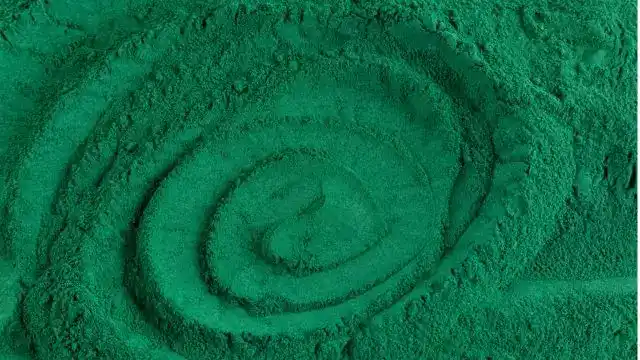
Spirulina Benefits and Traditional Uses

Spirulina has traditionally and historically been used to support:

  • Nutrient-dense food preparations
  • Dried powders and tablets
  • Modern wellness blends and drinks
  • Food-based supplementation traditions
  • Alkaline-water cultivated biomass use

Historically, spirulina-like organisms were collected as food in certain traditional settings, while modern use has expanded mainly through dried powder and tablet forms.

Spirulina stands at the meeting point of ancient food gathering and modern nutrient powders.

Traditional and modern food reference

Spirulina Preparation Methods

Spirulina can be prepared in several traditional and modern ways:


Powder

Dried spirulina is commonly used as a powder stirred into water, juice, or blended drinks.

Part of the plant used: Whole dried biomass

Tablet

Compressed spirulina tablets offer a convenient food-supplement form.

Part of the plant used: Whole dried biomass

Blended Drink

Spirulina may be mixed with fruits, greens, or other powdered ingredients in smoothies and wellness blends.

Part of the plant used: Whole dried biomass


Growing Spirulina

Spirulina is not grown like a garden herb but is cultivated in warm alkaline water systems or harvested from controlled aquatic production environments.

  • Requires warm alkaline water rather than soil
  • Needs strong light and suitable aquatic conditions
  • Often cultivated in tanks, ponds, or specialized production systems
  • Not suited to ordinary outdoor garden beds in the United States
  • Production is best left to controlled cultivation systems

For home growers, spirulina is better understood as a specialty cultured organism than a garden plant. Quality, cleanliness, and growing conditions are especially important in aquatic production.


Safety Considerations

Spirulina is widely used as a food supplement, but product quality and sourcing matter greatly.

However:

  • Poor-quality products may contain contaminants if grown or processed under unsuitable conditions.
  • Some individuals may experience digestive upset when first using spirulina.
  • People with sensitivities to algae-like products should begin carefully.
  • Those with specific health concerns often choose to seek professional advice before frequent use of concentrated powders.
  • Pregnant or breastfeeding individuals should consult a qualified healthcare professional before using concentrated preparations.
  • Always consult a qualified professional before using herbs or food supplements for health purposes.

This information is provided for educational purposes only and is not medical advice.

Image Disclaimer: Images are for reference only and should not be used as the sole method of identification. Always confirm identification with a qualified source.
Frequently Asked Questions
What is spirulina used for?

Spirulina is commonly used as a dried food supplement in powders, tablets, and blended drinks. It is valued more as a nutrient-dense food material than as a traditional tea herb.

Is spirulina a herb or an algae?

Spirulina is not a true herb. It is a blue-green aquatic microorganism traditionally grouped with algae and used in a food-like way.

How is spirulina prepared?

Spirulina is usually prepared as powder, tablet, or blended drink. It is not typically steeped as a household herbal infusion.

Can spirulina be grown in a garden?

No. Spirulina is not grown in ordinary soil garden conditions. It requires warm alkaline water and controlled cultivation systems.

Why does product quality matter with spirulina?

Because aquatic products can be affected by growing conditions, quality sourcing matters. Well-produced spirulina is preferred over poorly sourced material.

Does spirulina have a strong taste?

Yes. Spirulina often has a distinctive green, marine-like taste, which is why many people mix it into smoothies or juices.

Spirulina Benefits and Uses

Help Us Improve the Spirulina Page

Do you grow, photograph, study, or work with this plant?

If you have an accurate photo, growing experience, traditional use note, identification detail, correction, or useful source to share, we would love to hear from you.

Your contribution may help improve the accuracy, usefulness, and educational value of this page for other readers.


Share a photo, correction, or plant note →

Botanical Overview

  • Botanical name: Arthrospira platensis
  • Family: Microcyanobacteria traditionally grouped with blue-green algae
  • Plant type: Algae
  • Native region: Warm alkaline lakes in Africa, Asia, and the Americas
  • Common names: Blue-green algae, spirulina algae