
Rugosa Rose Benefits & Uses (Rosa rugosa)

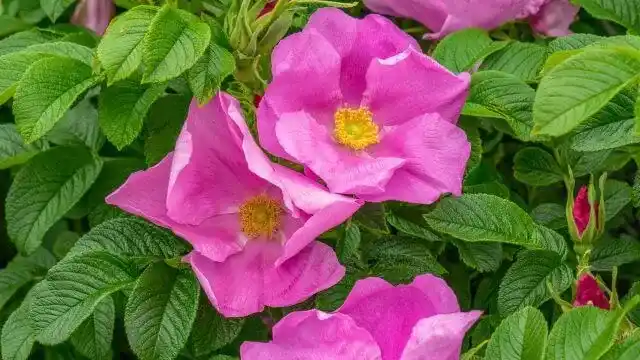
Rugosa rose (Rosa rugosa) is a deciduous flowering shrub in the Rosaceae family, native to eastern Asia. It has wrinkled leaves, strongly scented pink or white flowers, and large red hips, with both petals and hips traditionally gathered for herbal preparations.

Traditionally, rugosa rose has been used in teas, syrups, vinegars, and skin care preparations. The petals are valued for their floral aroma, while the hips are widely prepared in seasonal and nutritive herbal blends.

Rugosa Rose Benefits and Traditional Uses

Rugosa Rose (Rosa rugosa) has a long history of traditional use across Europe and Asia, valued for its fragrant petals and nutrient-rich rose hips.

Traditionally, it has been used to support:

  • Rose petal teas and infused waters: Fresh or dried petals are used to create lightly aromatic herbal infusions and floral drinks.
  • Rose hip syrups, jams, and preserves: The large hips are commonly prepared into sweet preserves and seasonal recipes.
  • Vitamin-rich herbal preparations: Rose hips are naturally high in vitamin C and are widely used in traditional nutritive tonics and teas.
  • Skin care and topical applications: Petals and extracts have been used in traditional preparations for soothing and hydrating the skin.
  • Aromatic and culinary uses: Petals are incorporated into desserts, syrups, and herbal blends for their fragrance and flavor.
  • Ornamental and ecological planting: A hardy, pollinator-friendly shrub often grown in coastal and garden landscapes.

Rugosa rose has long been appreciated as both a practical and ornamental plant, combining culinary value with traditional household use. Today, it remains one of the most widely recognized roses for herbal teas, preserves, and natural skincare preparations.

“The rose is among the most treasured plants of the herbal garden, valued for both fragrance and household preparation.”

— Traditional herbal reference

Rugosa Rose Preparation Methods

Rugosa Rose can be prepared in several traditional ways:

Tea

Dried petals or sliced hips may be infused in hot water to create aromatic herbal tea.

Part of the plant used: Petals or hips
Syrup

Rose hips may be simmered and strained to make traditional syrups and preserves.

Part of the plant used: Rose hips
Infused Oil

Rose petals may be infused in carrier oil for fragrant skin care preparations.

Part of the plant used: Petals
Vinegar

Fresh petals may be steeped in vinegar for culinary or household herbal use.

Part of the plant used: Petals


Growing Rugosa Rose

Rugosa rose is a hardy shrub that thrives in sunny conditions and is especially tolerant of wind, salt, and sandy soil.

  • Prefers full sun
  • Grows in well-drained soil and tolerates sandy coastal conditions
  • Moderate water needs once established
  • Suitable for USDA zones 2–7
  • Commonly grown in temperate and coastal regions of the United States

It spreads by suckers and can form dense thickets over time. Regular pruning helps shape the plant and encourages good airflow.


Safety Considerations

This herb has a long history of traditional use, however care should always be taken when using herbal plants.

However:

  • Rose preparations are generally well tolerated, but people sensitive to Rosaceae family plants should use caution.
  • Rose hips contain fine internal hairs that should be strained well before use.
  • Topical preparations should be patch tested on very sensitive skin.
  • Pregnant or breastfeeding individuals should consult a qualified healthcare professional before concentrated internal use.
  • This information is provided for educational purposes only and is not medical advice.

This information is provided for educational purposes only and is not medical advice.

Image Disclaimer: Images are for reference only and should not be used as the sole method of identification. Always confirm identification with a qualified source.
Frequently Asked Questions
What is rugosa rose used for?

Rugosa rose is traditionally used for fragrant petal teas, infused oils, syrups, and rose hip preparations. Both the petals and hips have a long history of household and herbal use.

What part of rugosa rose is used in herbal preparations?

The petals and rose hips are the parts most commonly used. Petals are popular in fragrant infusions, while hips are often prepared in syrups, teas, and preserves.

Can rugosa rose grow in the United States?

Yes. Rugosa rose grows well in many temperate parts of the United States and is especially useful in coastal gardens because of its tolerance for wind and salt.

Are rugosa rose hips edible?

Yes, rose hips are commonly used in food and herbal preparations once cleaned and prepared properly. The inner hairs should be removed or strained out carefully.

Is rugosa rose good for skin care?

Yes. Rose petals are often infused into oils, waters, and gentle skin care preparations because of their fragrance and traditional soothing reputation.

Are there safety concerns with rugosa rose?

Rugosa rose is generally considered gentle, but people with sensitivities to Rosaceae family plants should use caution. Rose hip preparations should be carefully strained before use.

Rugosa Rose Benefits and how to Use

Help Us Improve the Rugosa Rose Page

Do you grow, photograph, study, or work with this plant?

If you have an accurate photo, growing experience, traditional use note, identification detail, correction, or useful source to share, we would love to hear from you.

Your contribution may help improve the accuracy, usefulness, and educational value of this page for other readers.


Share a photo, correction, or plant note →

Botanical Overview

  • Botanical name: Rosa rugosa
  • Family: Rosaceae
  • Plant type: Flowering shrub
  • Native region: Eastern Asia
  • Common names: Rugosa rose, beach rose, Japanese rose