
Oatstraw Benefits & Uses (Avena sativa)

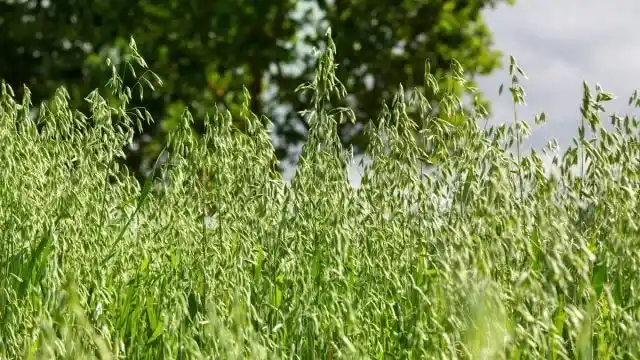
Oatstraw refers to the green stems and immature flowering tops of Avena sativa, an annual grass in the Poaceae family. Native to Eurasia and widely cultivated around the world, oats are best known as a food crop, but the milky tops and straw also have a long history of use in herbal practice. The aerial parts are most often used in infusions, while the milky seed tops are sometimes prepared separately.

In Western herbal traditions, oatstraw is regarded as a nourishing herb commonly used in long infusions, baths, and gentle nervine blends. It is often chosen for its mild character and mineral-rich profile rather than for a strong bitter or aromatic effect.

Because oats are so widely grown in the United States, oatstraw is one of the more accessible herbs for home growers and small-scale herb gardens.

Oatstraw Benefits and Traditional Uses

Oatstraw has traditionally been used to support:

  • Nourishing long infusions used as a daily tonic herb
  • Gentle nervous system support in Western herbal practice
  • Restorative formulas used during times of stress or depletion
  • Mineral-rich herbal infusions and baths
  • Soothing skin baths and external washes
  • Milky oat preparations used in fresh plant tinctures

Historically, oats have been valued as both food and medicine. While the grain became a staple crop, herbalists also made use of the straw and immature tops in preparations intended to nourish, calm, and restore over time.

“Oatstraw has long been valued as a gentle nourishing herb, especially in infusions intended to restore and sustain over time.”

— Traditional Western herbal practice

Oatstraw Preparation Methods

Oatstraw can be prepared in several traditional ways:


Long Infusion

Dried oatstraw is commonly steeped in hot water for several hours to make a mineral-rich nourishing infusion. This is one of the most traditional ways the herb is prepared.

Part of the plant used: Green straw and flowering tops

Tincture

Fresh milky oat tops may be extracted in alcohol to make a classic liquid tincture used in nervine formulas.

Part of the plant used: Milky seed tops

Bath

An oatstraw infusion may be added to bath water as a traditional soothing preparation for dry or sensitive skin.

Part of the plant used: Green straw and flowering tops

Tea Blend

Oatstraw is often combined with other gentle herbs in everyday tea blends because of its mild flavor and nourishing character.

Part of the plant used: Green straw and flowering tops


Growing Oatstraw

Oats are fast-growing annual grasses that produce upright stems, narrow leaves, and drooping seed heads. When grown for oatstraw, the plant is often harvested before the grain fully matures, while the green tops are still fresh and flexible.

  • Prefers full sun and fertile, well-drained soil with steady moisture
  • Grows best in cool weather and is often sown in spring or fall depending on climate
  • Suitable for USDA growing zones 2-10 as a seasonal crop across the United States
  • Widely cultivated in northern and temperate regions of the United States

Oats are easy to grow from seed and are often used as a cover crop as well as a food and herb plant. In hot climates they may decline quickly in summer heat, so timing the planting season is important.


Safety Considerations

Oatstraw has a long history of traditional use and is generally considered a gentle herb, but individual sensitivities are still possible.

However:

  • Individuals with sensitivity to oats or related grasses should use caution with oatstraw preparations.
  • People with celiac disease or gluten sensitivity should confirm that the herb has been processed in a gluten-free environment, as cross-contamination can occur.
  • Large amounts of strong infusions may occasionally cause mild digestive discomfort in sensitive individuals.
  • Fresh oat preparations may not suit everyone and should be introduced gradually.
  • Pregnant or breastfeeding individuals should consult a qualified healthcare professional before using concentrated oatstraw products regularly.
  • Always use clean, properly dried plant material from reputable sources.

This information is provided for educational purposes only and is not medical advice.

Image Disclaimer: Images are for reference only and should not be used as the sole method of identification. Always confirm identification with a qualified source.
Frequently Asked Questions
What is oatstraw traditionally used for?

Oatstraw is traditionally used as a nourishing herb in long infusions, tea blends, and baths. In Western herbal practice it is often associated with gentle nervous system support and restoration during times of stress or depletion.

What part of the oat plant is used for oatstraw?

Oatstraw is made from the green stems and flowering tops of the oat plant. Fresh milky seed tops are also used separately in some tincture preparations.

How is oatstraw prepared?

Oatstraw is most often prepared as a long infusion by steeping the dried herb for several hours. It may also be used in baths, tea blends, or tinctures made from fresh milky oats.

Can oats be grown in the United States?

Yes. Oats are widely grown across the United States as a seasonal crop and are especially common in cooler and temperate regions. They are easy to grow from seed in gardens and larger fields.

Is oatstraw the same as oatmeal?

No. Oatstraw refers to the green stems and flowering tops of the oat plant, while oatmeal comes from the harvested grain. Both come from Avena sativa, but they are used differently.

Are there safety concerns with oatstraw?

Oatstraw is generally considered gentle, but people with oat sensitivity or gluten concerns should use caution, especially if the herb may have been cross-contaminated during processing.

Oatstraw Benefits and Uses

Help Us Improve the Oatstraw Page

Do you grow, photograph, study, or work with this plant?

If you have an accurate photo, growing experience, traditional use note, identification detail, correction, or useful source to share, we would love to hear from you.

Your contribution may help improve the accuracy, usefulness, and educational value of this page for other readers.


Share a photo, correction, or plant note →

Botanical Overview

  • Botanical name: Avena sativa
  • Family: Poaceae
  • Plant type: Grass herb
  • Native region: Eurasia
  • Common names: Oatstraw, common oat, oats, milky oats