

Hydrangea Benefits & Uses (Hydrangea arborescens)

Hydrangea root is the dried root of Hydrangea arborescens, a deciduous flowering shrub in the Hydrangeaceae family native to eastern North America. This woodland plant is known for its broad leaves and rounded clusters of white flowers, while the root has been the part traditionally prepared for herbal use.

In traditional North American herbal practice, hydrangea root has mainly been associated with urinary tract and kidney support. It is most often prepared as a decoction or tincture and has a long history of use in older Western herbal traditions.

The common name “seven barks” refers to the way older stems were said to shed in layers, a distinctive feature often mentioned in traditional herbals.

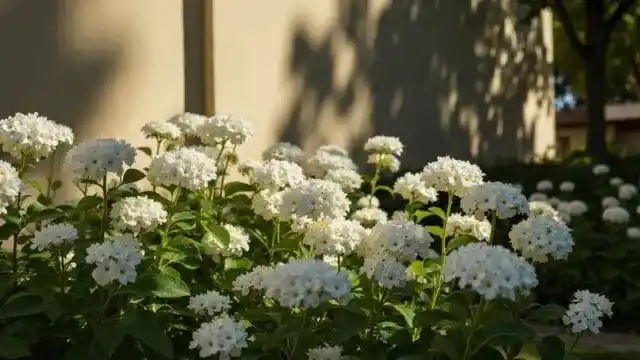
Hydrangea Benefits and Traditional Uses

Hydrangea Root has traditionally been used to support:

  • Traditional urinary tract support
  • Kidney and bladder herbal formulas
  • Traditional support for gravel and sediment concerns
  • Decoctions used in older Western herbal practice
  • Tinctures included in traditional cleansing formulas

Historically, hydrangea root was used by Eclectic and Western herbal practitioners and was often combined with other urinary herbs in older herbal formulas.

“Hydrangea root was long regarded as a valued herb in older urinary formulas.”

“Hydrangea root was long regarded as a valued herb in older urinary formulas.”

— Traditional Western herbal reference

Hydrangea Preparation Methods

Hydrangea Root can be prepared in several traditional ways:


Decoction

Dried hydrangea root is commonly simmered gently in water to prepare a traditional decoction used in older herbal practice.

Part of the plant used: Root

Tincture

The dried root may be macerated in alcohol to produce a traditional tincture taken in small amounts.

Part of the plant used: Root

Powder

Dried hydrangea root may be ground into a powder for use in capsules or compounded herbal preparations.

Part of the plant used: Root

Herbal Formula

Hydrangea root is often combined with other traditional urinary herbs in liquid extracts or practitioner formulas.

Part of the plant used: Root


Growing Hydrangea

Hydrangea arborescens is a deciduous woodland shrub that grows best in moist, humus-rich soil and is widely cultivated in gardens across the United States.

  • Prefers partial shade to morning sun, especially in hotter regions
  • Grows best in moist, fertile, well-drained soil with regular organic matter
  • Hardy in USDA zones 3-8 across much of the United States
  • Commonly grown in woodland gardens and temperate regions of eastern and central North America

Wild hydrangea appreciates even moisture and protection from harsh afternoon sun. While the shrub is ornamental, the root is the part traditionally harvested for herbal use.


Safety Considerations

Hydrangea root has a long history of traditional use, however care should be taken with internal use and dosage.

However:

  • Hydrangea root contains naturally occurring compounds that may cause digestive upset, nausea, or irritation in some individuals.
  • Large amounts should be avoided, as excessive use has traditionally been considered inappropriate and may increase the risk of adverse effects.
  • Individuals with kidney concerns should use caution and seek professional guidance before using hydrangea root internally.
  • Pregnant or breastfeeding individuals should consult a qualified healthcare professional before using hydrangea root preparations.
  • People taking prescription medications or managing chronic health conditions should seek professional advice before use.
  • Always consult a qualified healthcare professional before using herbal preparations for health purposes.

This information is provided for educational purposes only and is not medical advice.

Image Disclaimer: Images are for reference only and should not be used as the sole method of identification. Always confirm identification with a qualified source.
Frequently Asked Questions
What is hydrangea root traditionally used for?

Hydrangea root has traditionally been used in Western herbal practice for urinary tract and kidney support. It is most often mentioned in older herbal formulas focused on the bladder and urinary system.

What part of hydrangea is used in herbal preparations?

The root is the part traditionally used in herbal preparations. The ornamental flowers are not the main part used in older herbal practice.

How is hydrangea root prepared?

Hydrangea root is commonly prepared as a decoction, tincture, or powdered herbal ingredient. The dried root is usually used rather than fresh plant material.

Can hydrangea root grow in the United States?

Yes. Hydrangea arborescens is native to the eastern United States and grows well in USDA zones 3-8, especially in moist woodland conditions.

Is hydrangea root safe to use?

Hydrangea root should be used with caution because larger amounts may cause digestive upset and the herb is not suitable for casual overuse. Professional guidance is best for internal use.

Is hydrangea the same plant grown in gardens?

Hydrangea root comes from a hydrangea species also grown ornamentally, especially smooth hydrangea. On herb pages, the focus is on the traditional use of the root rather than the flowers.

Hydrangea Benefits and How to Use

Help Us Improve the Hydrangea Page

Do you grow, photograph, study, or work with this plant?

If you have an accurate photo, growing experience, traditional use note, identification detail, correction, or useful source to share, we would love to hear from you.

Your contribution may help improve the accuracy, usefulness, and educational value of this page for other readers.


Share a photo, correction, or plant note →

Botanical Overview

  • Botanical name: Hydrangea arborescens
  • Family: Hydrangeaceae
  • Plant type: Flowering shrub
  • Native region: Eastern North America
  • Common names: Seven barks, wild hydrangea, smooth hydrangea