

Horehound Benefits & Uses (Marrubium vulgare)

Horehound (Marrubium vulgare) is a perennial herb in the Lamiaceae family that is native to Europe, North Africa, and Western Asia. It is traditionally valued for leaves and flowering tops and is known for a bitter, aromatic perennial herb traditionally used in old European and American household remedies.

Traditionally, horehound has been prepared as tea, syrup, lozenges, and bitters in European and North American household herbal practice. It is especially associated with old-fashioned candy drops and strongly flavored herb syrups.

The plant has woolly leaves, square stems, and a distinctly bitter taste. It often grows in dry, open ground and can naturalize readily in disturbed sites.

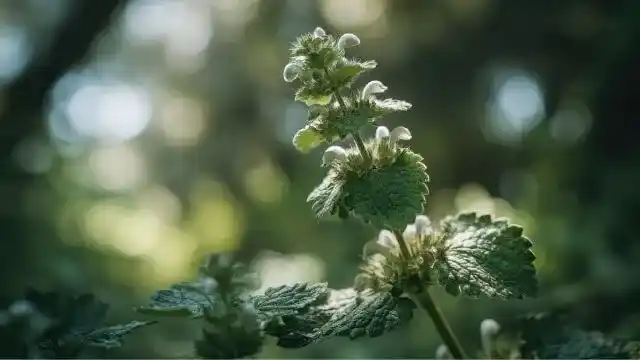
Horehound Benefits and Traditional Uses

Horehound has traditionally been used to support:

  • Traditional syrups
  • Herbal lozenges
  • Bitter digestive tonics
  • Strong-flavored teas
  • Old household remedies

Historically, horehound became a familiar household herb in both Europe and North America. It was especially well known in syrups, candies, and strongly flavored bitter preparations.

“Horehound was long prized in household herbals and old-fashioned syrups for its strong bitter character.”

— Traditional household herbal reference

Horehound Preparation Methods

Horehound can be prepared in several traditional ways:


Tea

Dried horehound leaves and flowering tops may be infused in hot water to produce a very bitter tea.

Part of the plant used: Leaves and flowering tops

Syrup

Horehound is traditionally prepared in syrup-style remedies and old-fashioned candy drops.

Part of the plant used: Leaves and flowering tops

Tincture

The fresh or dried herb may be extracted in alcohol.

Part of the plant used: Leaves and flowering tops

Lozenge

The herb has long been included in lozenges and confectionery preparations.

Part of the plant used: Leaves and flowering tops


Growing Horehound

Horehound is a hardy perennial herb that tolerates poor soils, heat, and dry conditions once established. It is easy to grow in many parts of the United States and may naturalize in open ground.

  • Prefers full sun
  • Grows best in well-drained, even poor or rocky soil
  • Tolerates dry conditions once established
  • Hardy in USDA zones 4–9 and widely suited to dry temperate regions of the United States

Horehound is tough and drought tolerant, but it can self-seed and spread in favorable sites. It is a good choice for dry herb gardens, pollinator plantings, and poor soils.


Safety Considerations

This herb has a long history of traditional use, however its strong bitter character may not suit every individual.

However:

  • Because horehound is very bitter, larger amounts may cause digestive upset, nausea, or irritation in some individuals.
  • Concentrated extracts may not be suitable for individuals with ulcers or very sensitive digestion.
  • Traditional sources commonly advise caution during pregnancy with concentrated internal use.
  • Sweetened horehound syrups and candies may contain substantial added sugar depending on the product.
  • Individuals with known plant sensitivities should introduce the herb carefully.
  • Always consult a qualified professional before using herbs for health purposes.

This information is provided for educational purposes only and is not medical advice.

Image Disclaimer: Images are for reference only and should not be used as the sole method of identification. Always confirm identification with a qualified source.
Frequently Asked Questions
What is horehound traditionally used for?

Horehound is traditionally used in bitter teas, syrups, lozenges, and old household herb preparations. It is especially well known from horehound candy and traditional syrup recipes.

What part of horehound is used?

The leaves and flowering tops are the main parts used. They may be infused, tinctured, or cooked into syrup-style preparations.

Can horehound be made into syrup?

Yes. Horehound has long been prepared in syrups and candy-style recipes. Its strong bitter flavor is one of its most distinctive traditional features.

Can horehound grow in the United States?

Yes. Horehound grows well in many parts of the United States and is hardy in USDA zones 4–9, especially in dry sunny gardens.

Is horehound easy to grow?

Yes. Horehound is a tough perennial that tolerates poor soil, sun, and drought once established. It can also self-seed in favorable sites.

Does horehound have side effects?

Because it is strongly bitter, horehound may cause digestive upset in larger amounts. Concentrated preparations may not suit everyone.

Horehound Benefits and Traditional Uses

Help Us Improve the Horehound Page

Do you grow, photograph, study, or work with this plant?

If you have an accurate photo, growing experience, traditional use note, identification detail, correction, or useful source to share, we would love to hear from you.

Your contribution may help improve the accuracy, usefulness, and educational value of this page for other readers.


Share a photo, correction, or plant note →

Botanical Overview

  • Botanical name: Marrubium vulgare
  • Family: Lamiaceae
  • Plant type: Perennial herb
  • Native region: Europe, North Africa, and Western Asia
  • Common names: White horehound, common horehound