
Gymnema Benefits & Uses (Gymnema sylvestre)

Gymnema (Gymnema sylvestre) is a woody climbing vine in the Apocynaceae family that is native to India, Africa, and tropical Asia. It is traditionally valued for leaves and is known for a tropical climbing vine traditionally valued for its distinctive bitter leaves.

Traditionally, gymnema leaves have been used in Ayurvedic powders, teas, and extracts. The herb is especially noted for the unusual way its leaves can temporarily reduce the perception of sweetness when tasted.

Gymnema is a woody climber that twines through trees and shrubs in tropical regions. The dried leaves are the main part used in traditional herbal preparations.

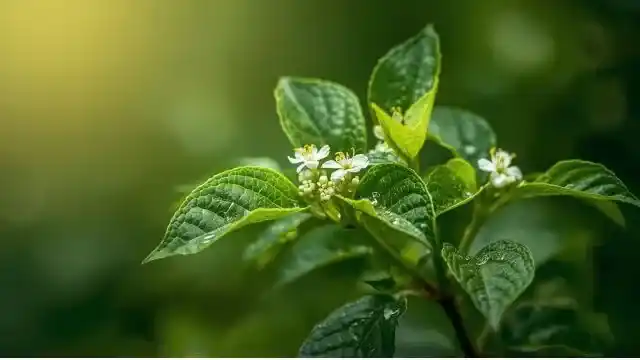
Gymnema Benefits and Traditional Uses

Gymnema has traditionally been used to support:

  • Ayurvedic leaf powders
  • Bitter herbal teas
  • Traditional metabolic balance formulas
  • Leaf extracts
  • General herbal practice in India

Historically, gymnema has been respected in Ayurvedic practice for many centuries. The leaf’s unusual effect on taste has made it one of the more distinctive herbs in traditional Indian materia medica.

“Gymnema has long been recognized in traditional practice for the unusual taste qualities of its leaves.”

— Ayurvedic herbal reference

Gymnema Preparation Methods

Gymnema can be prepared in several traditional ways:


Tea

Dried gymnema leaves may be steeped in hot water as a bitter herbal tea.

Part of the plant used: Leaves

Powder

The dried leaves may be ground into powder for traditional use.

Part of the plant used: Leaves

Capsule

Gymnema leaf powder is often prepared in capsule form.

Part of the plant used: Leaves

Extract

The leaves may be processed into liquid or standardized extracts.

Part of the plant used: Leaves


Growing Gymnema

Gymnema is a tropical climbing vine that prefers warmth, humidity, and a long frost-free season. In the United States it is usually grown in containers, greenhouses, or very warm subtropical areas.

  • Prefers full sun to partial shade
  • Grows best in fertile, well-drained soil with warmth and humidity
  • Needs regular moisture during active growth
  • Best suited to USDA zones 10–11 or greenhouse and container culture in the United States

Gymnema needs support for climbing and does not tolerate frost. In most of the United States it is best treated as a container vine that can be overwintered indoors.


Safety Considerations

This herb has a long history of traditional use, however it may influence blood sugar balance and should be used with caution.

However:

  • Gymnema may influence blood sugar levels and could interact with insulin or diabetes medications.
  • Individuals prone to low blood sugar should use particular caution with concentrated products.
  • Digestive upset may occur in some people when using extracts or larger doses.
  • Gymnema may alter the perception of sweet taste temporarily after direct contact with the leaves.
  • Pregnant or breastfeeding individuals should consult a qualified healthcare professional before use.
  • Always consult a qualified professional before using herbs for health purposes.

This information is provided for educational purposes only and is not medical advice.

Image Disclaimer: Images are for reference only and should not be used as the sole method of identification. Always confirm identification with a qualified source.
Frequently Asked Questions
What is gymnema traditionally used for?

Gymnema is traditionally used in Ayurvedic practice in leaf powders, teas, and extracts. It is especially known for the unusual taste effect of the leaves.

What part of gymnema is used?

The leaves are the main part used. They are dried for powders, capsules, teas, and extracts.

Why is gymnema called the sugar destroyer?

Gymnema leaves can temporarily reduce the perception of sweetness when tasted directly. This unusual effect is one of the herb's best-known traditional characteristics.

Can gymnema grow in the United States?

Gymnema can be grown in the warmest subtropical parts of the United States, but in most areas it is better suited to containers or greenhouse culture.

How is gymnema prepared?

Gymnema is commonly prepared as tea, powder, capsule, or extract. The dried leaves are the part most often used.

Are there safety concerns with gymnema?

Yes. Gymnema may influence blood sugar and could interact with diabetes medication. Individuals prone to low blood sugar should be especially cautious.

Gymnema Benefits and Traditional Uses

Help Us Improve the Gymnema Page

Do you grow, photograph, study, or work with this plant?

If you have an accurate photo, growing experience, traditional use note, identification detail, correction, or useful source to share, we would love to hear from you.

Your contribution may help improve the accuracy, usefulness, and educational value of this page for other readers.


Share a photo, correction, or plant note →

Botanical Overview

  • Botanical name: Gymnema sylvestre
  • Family: Apocynaceae
  • Plant type: Climbing herb
  • Native region: India, Africa, and tropical Asia
  • Common names: Gurmar, Australian cowplant, sugar destroyer