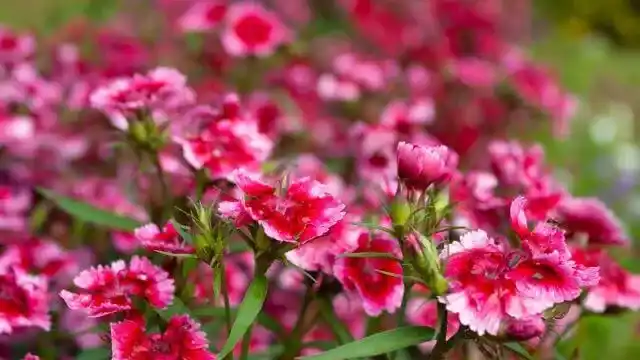

Dianthus Benefits & Uses (Dianthus caryophyllus)

Dianthus (Dianthus superbus) is a perennial flowering herb in the Caryophyllaceae family, native to parts of Europe and Asia. It produces narrow leaves and fringed pink to lilac flowers, and the aerial parts have been used in traditional herbal systems, particularly in East Asian practice.

Traditionally, dianthus has been used in herbal preparations for urinary support and to encourage normal fluid movement. It is best known in Chinese herbal tradition as qu mai, where the dried flowering herb is prepared in decoctions and blended formulas.

Dianthus Benefits and Traditional Uses

Dianthus has traditionally been used to support:

  • Urinary tract support in traditional herbal formulas
  • Traditional fluid balance support
  • Menstrual support in historical herbal practice
  • Bitter herbal preparations
  • Classic East Asian herbal combinations

Dianthus has a long history in East Asian herbal traditions, where the dried flowering herb was valued for its cooling and draining qualities in traditional formulas. “Dianthus has long held a place in traditional herbal systems for its light, bitter, and cooling nature.”

“Dianthus has long held a place in traditional herbal systems for its light, bitter, and cooling nature.”

— Traditional East Asian herbal reference

Dianthus Preparation Methods

Dianthus can be prepared in several traditional ways:

Tea or Decoction

The dried aerial parts may be simmered gently in water to create a traditional herbal decoction used in classic formulas.

Part of the plant used: Flowering aerial parts
Tincture

The fresh or dried herb may be extracted in alcohol for use in small traditional doses.

Part of the plant used: Flowering aerial parts
Dried Herb Blend

Dianthus is often prepared as part of broader herbal combinations rather than used alone.

Part of the plant used: Flowering aerial parts


Growing Dianthus

Dianthus is a sun-loving perennial herb that forms clumps of narrow foliage and decorative fringed flowers in the garden.

  • Prefers full sun
  • Grows best in well-drained, moderately fertile soil
  • Benefits from light watering once established
  • Suitable for USDA zones 3–9 depending on species and cultivar
  • Commonly grown in temperate parts of the United States

Good drainage is important, especially in winter. Removing spent flowers may encourage additional blooming and keep plants tidy.


Safety Considerations

This herb has a long history of traditional use, however care should always be taken when using herbal plants.

However:

  • Not all Dianthus species are used interchangeably in herbal practice, so correct identification is important.
  • Large internal amounts may not be appropriate without qualified guidance.
  • Individuals who are pregnant or breastfeeding should use caution with internal herbal use.
  • Those with sensitivity to flowering plants should monitor for possible irritation.
  • Dianthus may be mildly toxic to pets if ingested, particularly cats and dogs, and may cause gastrointestinal upset or skin irritation.
  • If a pet is exposed or showing symptoms, contact your veterinarian or the ASPCA Animal Poison Control Center (888-426-4435) for guidance.
  • Always consult a qualified healthcare professional before using concentrated herbal preparations.

This information is provided for educational purposes only and is not medical advice.

Image Disclaimer: Images are for reference only and should not be used as the sole method of identification. Always confirm identification with a qualified source.
Frequently Asked Questions
What is dianthus traditionally used for?

Dianthus has traditionally been used in East Asian herbal practice for urinary support, fluid balance, and menstrual support. It is usually prepared as part of broader herbal formulas rather than used on its own.

What part of dianthus is used in herbal preparations?

The flowering aerial parts are the portion most commonly dried and used in traditional herbal practice. These parts are usually simmered as a decoction or combined with other herbs.

Is dianthus the same as garden pinks?

Dianthus is a large genus that includes ornamental pinks and carnations. However, specific species such as Dianthus superbus are more closely associated with traditional herbal use.

Can dianthus grow in the United States?

Yes. Many Dianthus species grow well in US gardens, especially in sunny sites with well-drained soil. They are commonly grown in temperate regions and are hardy in many USDA zones.

Are Dianthus flowers edible ?

Dianthus petals are widely considered safe and edible, but stick to the petals and avoid chemically treated plants. Widely accepted as edible Dianthus caryophyllus (Carnation) Dianthus barbatus (Sweet William) Dianthus plumarius (Cottage pinks) Dianthus chinensis (China pinks).

Are there safety considerations with dianthus?

Yes. Correct species identification matters, and concentrated internal use should be approached cautiously. It is best used with qualified guidance, especially during pregnancy or when using other herbal formulas.

Dianthus Benefits and How to Use

Help Us Improve the Dianthus Page

Do you grow, photograph, study, or work with this plant?

If you have an accurate photo, growing experience, traditional use note, identification detail, correction, or useful source to share, we would love to hear from you.

Your contribution may help improve the accuracy, usefulness, and educational value of this page for other readers.


Share a photo, correction, or plant note →

Botanical Overview

  • Botanical name: Dianthus superbus
  • Family: Caryophyllaceae
  • Plant type: Flowering plant
  • Native region: Europe and Asia
  • Common names: Fringed pink, qu mai, pinks