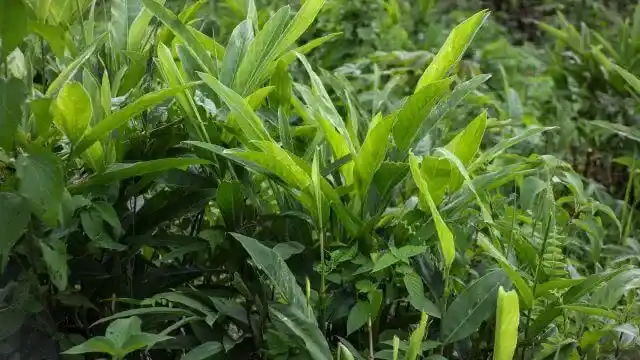

Cardamom Benefits & How to Use It (Elettaria cardamomum)

Cardamom (Elettaria cardamomum) is a tropical perennial herb in the Zingiberaceae, or ginger, family. Native to southern India and Sri Lanka, it produces leafy stems from an underground rhizome and fragrant seed pods that contain the aromatic seeds used in cooking and herbal preparations.

Traditionally, cardamom has been used as a warming aromatic spice and is often associated with digestive comfort and fragrant herbal blends. It is commonly used in chai-style teas, spice mixtures, and traditional tonics.

Because it is a tropical understory plant, cardamom requires warmth, humidity, and protection from frost, which makes it more challenging to grow outdoors in most of the United States.

Cardamon may have Health Benefits

Cardamom is best known as a fragrant culinary spice, but it also has a long history of traditional use. Modern research has explored cardamom for possible effects on blood pressure, blood sugar, inflammation, and liver-related markers. Some studies have shown promising results, but the evidence is still developing, and more human research is needed before cardamom can be considered a medically proven treatment for these concerns.

Cardamom is one of those spices that feels familiar in the kitchen but has a much wider aromatic history. In home cooking, the pods are often added to curries for their warm, slightly sweet, citrusy flavor. That same rich aroma is also why cardamom has been used beyond food, including in aromatic oils, fragrance blends, and perfumery.

Traditionally cardamom has been used to support:

  • Aromatic digestive preparations
  • Traditional chai and spiced teas
  • Warming herbal blends
  • Household breath-freshening use
  • Culinary spice mixtures
  • Traditional tonic formulas

Historically, cardamom has been one of the most prized spices in South Asian and Middle Eastern traditions, valued both for flavor and for aromatic herbal use.  Commonly known as ‘The Queen of Spices”

“Cardamom has been treasured for centuries as one of the world’s great aromatic spices.”

— Traditional spice and herbal reference

Preparing Cardamon at Home

Cardamom can be prepared in several traditional ways:


Tea

Crushed cardamom pods or seeds may be simmered or steeped in spiced herbal tea.

Part of the plant used: Seeds

Powder

The seeds may be ground fresh for culinary and herbal use.

Part of the plant used: Seeds

Infusion Blend

Cardamom is often combined with ginger, cinnamon, or fennel in warming blends.

Part of the plant used: Seeds

Culinary Use

The aromatic seeds are widely used in sweets, curries, rice dishes, and beverages.

Part of the plant used: Seeds


Cardamom in the USA – possibly not the easiest to grow

Cardamom is not one of the easiest herbs to grow in most parts of the United States. It is a tropical herb that grows from a rhizome and needs warm, humid, partially shaded conditions. For home gardeners, it is usually more realistic as a greenhouse, conservatory, or container plant than as an outdoor garden herb.

  • Prefers bright shade or filtered sun
  • Grows best in rich, moist, well-drained soil
  • Needs warmth, humidity, and protection from cold
  • Suitable outdoors mainly in very warm USDA zones, especially zones 10–11 and similar frost-free climates
  • Can be grown in a heated greenhouse or warm sunroom
  • Can be grown in containers in cooler parts of the United States
  • Needs protection from frost, dry indoor air, and drying winds

Cardamom is slow to establish and can grow quite large over time. In most US climates, it is best grown in a large container that can be kept warm and humid, rather than planted outdoors year-round. It may produce attractive leafy growth indoors, but getting true cardamom flowers and seed pods is much more difficult outside tropical or greenhouse conditions.

For most home gardeners, cardamom is more of an interesting tropical plant than a practical seed crop. Some plant products are simply easier to buy than grow, and cardamom pods are a good example. Whole cardamom pods, cardamom seeds, and ground cardamom are widely available from grocery stores, spice shops, and online suppliers.


Safety Considerations

Cardamom has a long history of culinary and traditional herbal use, however concentrated preparations should still be used appropriately.

However:

  • Most people tolerate cardamom well in culinary amounts, but concentrated products may not suit everyone.
  • Individuals with known spice allergies should use caution.
  • Highly concentrated essential oil is much stronger than the culinary seed and should be used carefully.
  • Those with gallbladder concerns may wish to seek professional guidance before using concentrated extracts.
  • Pregnant or breastfeeding individuals should consult a qualified healthcare professional before using strong herbal extracts.
  • Always consult a qualified healthcare professional before using herbs for health purposes.

This information is provided for educational purposes only and is not medical advice.

Image Disclaimer: Images are for reference only and should not be used as the sole method of identification. Always confirm identification with a qualified source.
Frequently Asked Questions
What is cardamom traditionally used for?

Cardamom is traditionally used as an aromatic spice in herbal teas, warming blends, and digestive preparations. It is also widely valued in culinary traditions for its fragrant seed pods.

What part of cardamom is used?

The seeds inside the pod are the main part used. The whole pod is also commonly simmered in teas and spiced beverages.

Can cardamom grow in the United States?

Cardamom can grow outdoors only in the warmest frost-free parts of the United States. In most regions it is better grown in containers and protected from cold weather.

Is cardamom related to ginger?

Yes, cardamom belongs to the Zingiberaceae family, which is the ginger family. This is one reason the two are often used together in warming herbal and culinary blends.

Can cardamom be used in tea?

Yes, cardamom is commonly used in tea, especially in chai-style blends. The pods or crushed seeds add a warm, sweet, aromatic flavor.

Is cardamom a herb or a spice?

Cardamom is best known as a spice because the seeds are used for flavor, but it is also included in many traditional herbal preparations. On herb pages, it is often discussed for both culinary and herbal use.

Cardamon Benefits, How to Use and Medicinal Uses

Help Us Improve the Cardamom Page

Do you grow, photograph, study, or work with this plant?

If you have an accurate photo, growing experience, traditional use note, identification detail, correction, or useful source to share, we would love to hear from you.

Your contribution may help improve the accuracy, usefulness, and educational value of this page for other readers.


Share a photo, correction, or plant note →

Botanical Overview

  • Botanical name: Elettaria cardamomum
  • Family: Zingiberaceae
  • Plant type: Tropical herb
  • Native region: Southern India and Sri Lanka
  • Common names: Green cardamom, true cardamom