
What Is a Decoction? (and When to Use It)
A herbal decoction is made by simmering tougher plant materials such as roots, bark, and seeds to extract their beneficial compounds. This traditional method uses heat and time to break down dense plant structures, creating a stronger and more concentrated preparation than a simple infusion.
Read the step-by-step guide below to learn how to make a herbal decoction yourself.
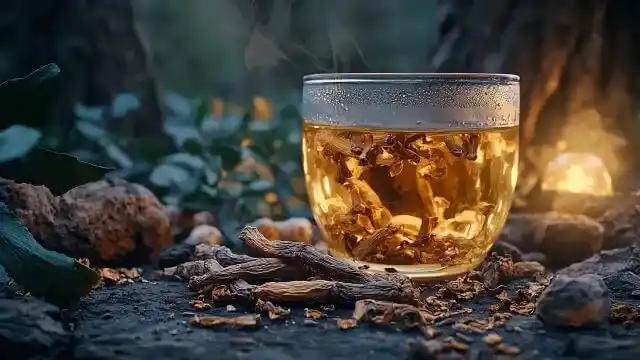
What Is a Herbal Decoction?
A decoction is made by simmering plant material in water over a period of time. This process helps break down tougher plant structures and allows more robust compounds to be extracted.
Decoctions are typically used for:
- Roots
- Bark
- Seeds
- Woody stems
These plant parts are too dense to be effectively prepared using a simple infusion.
When to Use a Decoction
Decoctions are chosen when working with herbs that require more heat and time to release their properties. This method is commonly used for:
- Traditional herbal preparations
- Stronger plant materials
- Deep extraction of roots and bark
- Long-simmered herbal blends
Examples of herbs often prepared as decoctions include:
- Ginger root
- Burdock root
- Licorice root
- Cinnamon bark
Step-by-Step: How to Make a Herbal Decoction
Ingredients:
- 1–2 teaspoons dried root, bark, or seeds
- 1 cup (240 ml) water
Method:
- Add the plant material to a small saucepan.
- Pour in cold water.
- Bring to a gentle boil.
- Reduce heat and simmer for 15–30 minutes.
- Strain and allow to cool slightly before use.
Decoction Time Guide and Comparison
Decoction Time Guide:
- Light roots/seeds: 15–20 minutes
- Dense roots/bark: 20–30 minutes
Longer simmering produces a stronger extraction but may also intensify flavor.
Decoction vs Infusion:
- Infusion: used for leaves and flowers, steeped in hot water
- Decoction: used for roots and bark, simmered over time
For delicate herbs such as chamomile or peppermint, an infusion is typically preferred.
Tips and Serving
Tips for Best Results:
- Chop or break plant material to increase surface area
- Use a lid while simmering to reduce evaporation
- Avoid boiling too vigorously
- Strain thoroughly before use
Serving Decoctions:
Decoctions are typically consumed warm but can also be cooled and stored in the refrigerator for later use. They may be enjoyed on their own or combined with other preparations depending on the herb.
Other Methods and Safety
Other Herbal Preparation Methods:
- Infusions for delicate leaves and flowers
- Tinctures for concentrated extracts
- Oil infusions for topical preparations
- Glycerites for alcohol-free liquid extracts
Safety Considerations:
- Some herbs may have specific safety considerations
- Not all roots or bark are suitable for consumption
- Care should be taken with identification and preparation
If unsure, consult a qualified healthcare professional.
Final Thoughts:
Understanding when to use a decoction allows for more effective preparation of tougher plant materials. As a complementary method to infusions, decoctions play an important role in traditional herbal practice and expand the ways herbs can be prepared and used.