
Tincture vs Extract vs Infusion
Tincture, extract, and infusion are related herbal terms, but they describe different preparation methods. Understanding the difference helps you choose the right approach for the herb you are using and the kind of preparation you want to make at home.
This guide compares tinctures, extracts, and infusions in plain language, showing how each one is made, what solvent is used, how long it usually takes, and when one method may be more suitable than another.
For readers building a practical herbal toolkit in the USA, knowing these distinctions makes it easier to follow recipes, compare products, and decide whether a tea, a glycerite, or an alcohol-based tincture is the better fit.
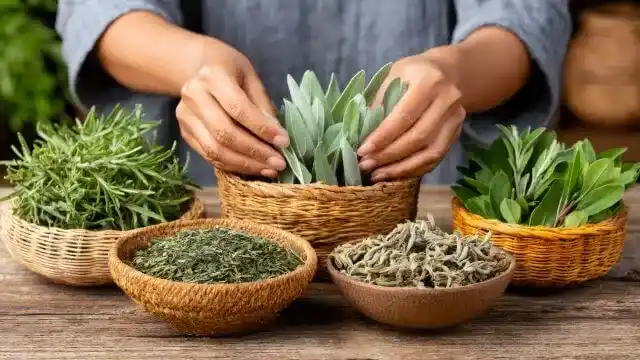
What Is the Difference Between a Tincture, an Extract, and an Infusion?
An infusion usually means a water-based preparation, often made by steeping herbs in hot water like a strong tea. An extract is a broader term for a preparation in which a solvent pulls useful constituents from plant material. A tincture is a specific kind of extract made primarily with alcohol.
In other words, all tinctures are extracts, but not all extracts are tinctures. Infusions are also extracts in a broad sense, but in everyday herbal language they are usually treated as their own separate category.
Why These Terms Are Commonly Confused
These words are often mixed up because they all describe ways of getting plant constituents into a usable form. Product labels, home recipes, and casual herbal conversations do not always use the terms with the same level of precision.
Confusion happens most often because:
- Some people use extract as a catch-all term for almost any concentrated herbal liquid
- A tincture is technically one type of extract, so the terms overlap
- An infusion can mean a tea, but the word infusion is also used more broadly in herbal making
- Commercial products may use marketing language that sounds more general than traditional kitchen terminology
- Home herbalists sometimes focus on the final format rather than the solvent or extraction method
How Each Preparation Is Usually Made
Although the terms overlap, the method used is what makes the practical difference.
- Infusion – usually made with hot water and herbs such as leaves or flowers, then steeped for a set time and strained
- Tincture – usually made by soaking herbs in alcohol for several weeks, then straining and bottling
- Extract – a broader category that may use alcohol, glycerin, vinegar, or water depending on the product and purpose
A tea made from chamomile is an infusion. A jar of herbs steeped in alcohol for weeks is a tincture. A glycerite or vinegar preparation may also be described as an extract, even though it is not technically a tincture.
When Each One Is Usually Chosen
- Infusions are often chosen when you want a simple, immediate preparation using hot water
- Tinctures are often chosen for concentrated, longer-storing liquid preparations
- Alcohol free extracts such as glycerites are often chosen when alcohol is not preferred
- Vinegar extracts are sometimes chosen for culinary-style or alcohol-free household preparations
Questions to Ask Before Choosing
- Am I making this to use right away or to store for later?
- Is water, alcohol, glycerin, or vinegar the better solvent for this herb and purpose?
- Am I working with leaves, flowers, roots, or seeds?
- Do I want a tea-style preparation, a concentrated dropper bottle, or a topical base ingredient?
A Simple Way to Decide Which Method to Use
Choose an infusion if you want a fresh water-based preparation, especially for leaves and flowers, and plan to use it soon.
Choose a tincture if you want an alcohol-based liquid extract that is more concentrated and generally better suited for long-term storage.
Choose another kind of extract if you want an alcohol-free option or a different solvent for a specific purpose.
Think about the herb itself. Soft aerial herbs often do well in infusions, while many roots, barks, resins, and multi-purpose liquid formulas are commonly prepared as tinctures or other extracts.
Think about convenience. An infusion can be made and used the same day, while tinctures and many other extracts require a waiting period before they are ready.
Final Comparison and Practical Takeaway
The easiest way to remember the difference is this: an infusion is usually a tea-style water preparation, a tincture is an alcohol extract, and extract is the broad umbrella term.
- Infusions are simple and immediate
- Tinctures are concentrated and long storing
- Extracts can be made with different solvents depending on the goal
- The best method depends on the herb, the format, and how you plan to use it
Final Thoughts
Once these terms are clear, herbal recipes become much easier to follow. You can choose methods more confidently, compare products more accurately, and build preparations that better match the herb and the purpose.
A tincture is a type of extract, but the two words are not always interchangeable. In herbal practice, a tincture usually means an extract made with alcohol. The word extract is broader and can include glycerites, vinegars, and other solvent-based herbal preparations as well as tinctures.
Often, yes. In everyday herbal use, an infusion usually means a tea-style preparation made by steeping herbs in hot water. It is most commonly used for leaves, flowers, and other softer plant parts. The word infusion can be used more broadly in some contexts, but tea is the usual meaning in home herbal practice.
A tincture generally lasts much longer than an infusion because it is usually made with alcohol and stored in a sealed bottle. An infusion is water-based and is normally used soon after preparation. This difference in shelf life is one reason tinctures and infusions serve different purposes in herbal making.
Yes, a glycerite can still be described as an extract because glycerin is acting as the extracting solvent. It is not a tincture unless alcohol is the main solvent, but it still fits under the broader category of herbal extracts. That is why product labels sometimes say alcohol free extract rather than tincture.
An infusion is often the better choice when you want a quick, fresh preparation and are working with herbs that steep well in hot water, especially leaves and flowers. A tincture may be a better fit when you want a more concentrated liquid that can be prepared ahead and stored for longer periods.
These terms matter because they tell you what solvent to use, how long the preparation takes, and what kind of final product you will get. If a recipe calls for an infusion but you make a tincture instead, the process and the result will be very different. Clear terminology helps avoid confusion and wasted ingredients.